Last updated November 23, 2026
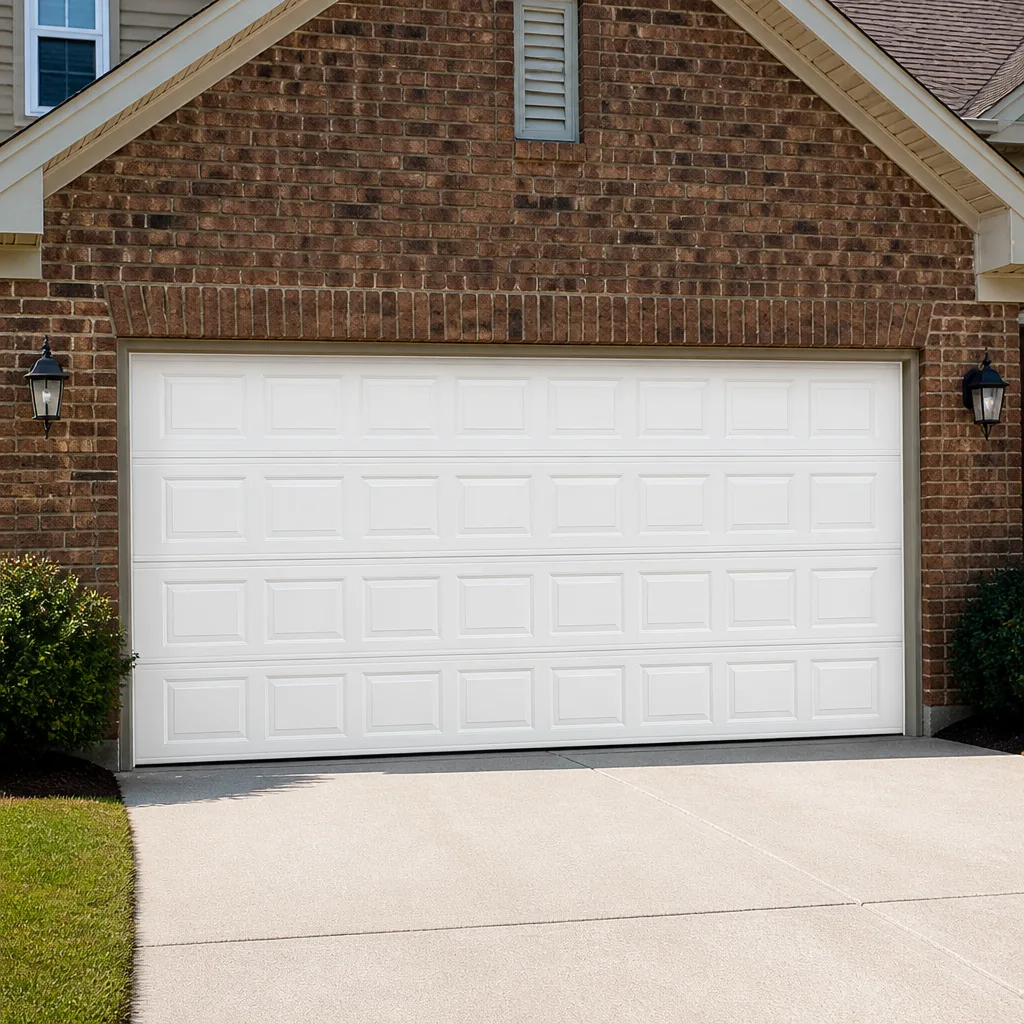 Raised-panel steel
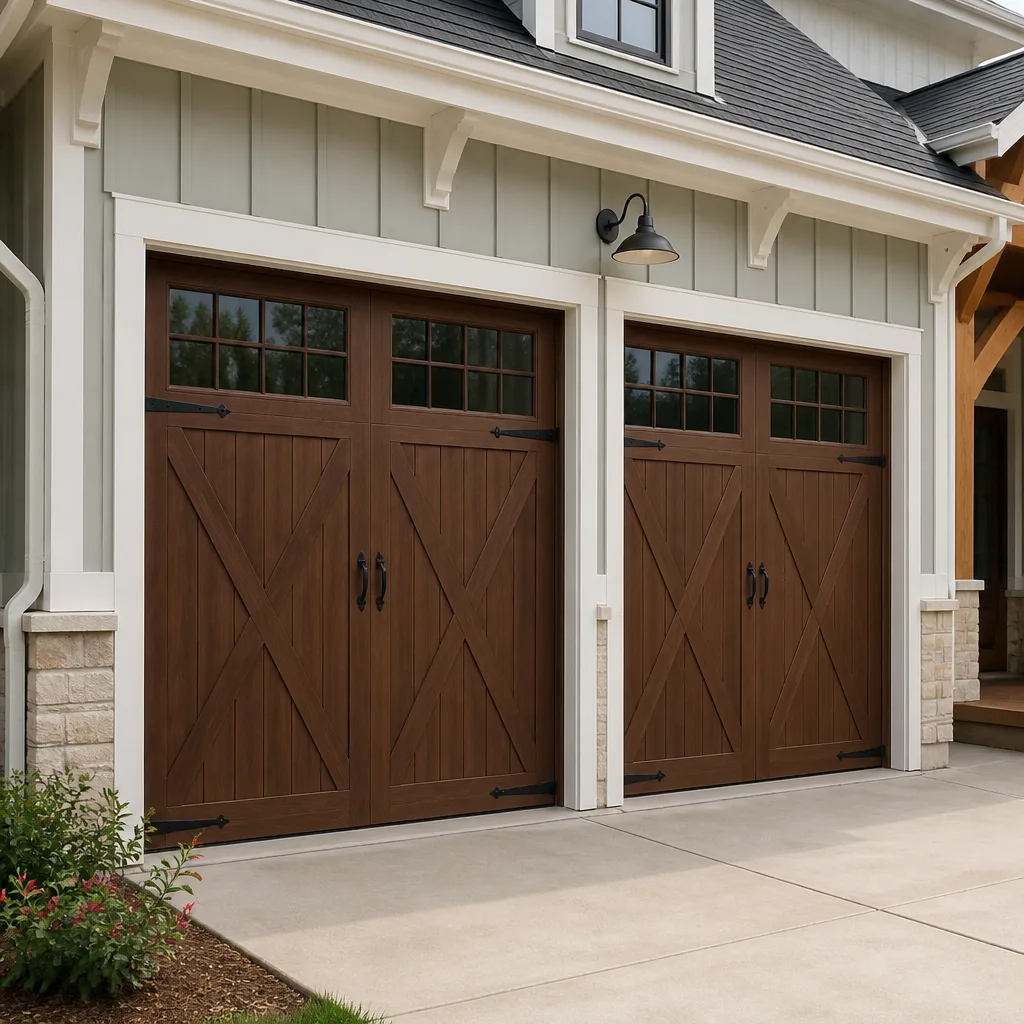 Carriage house
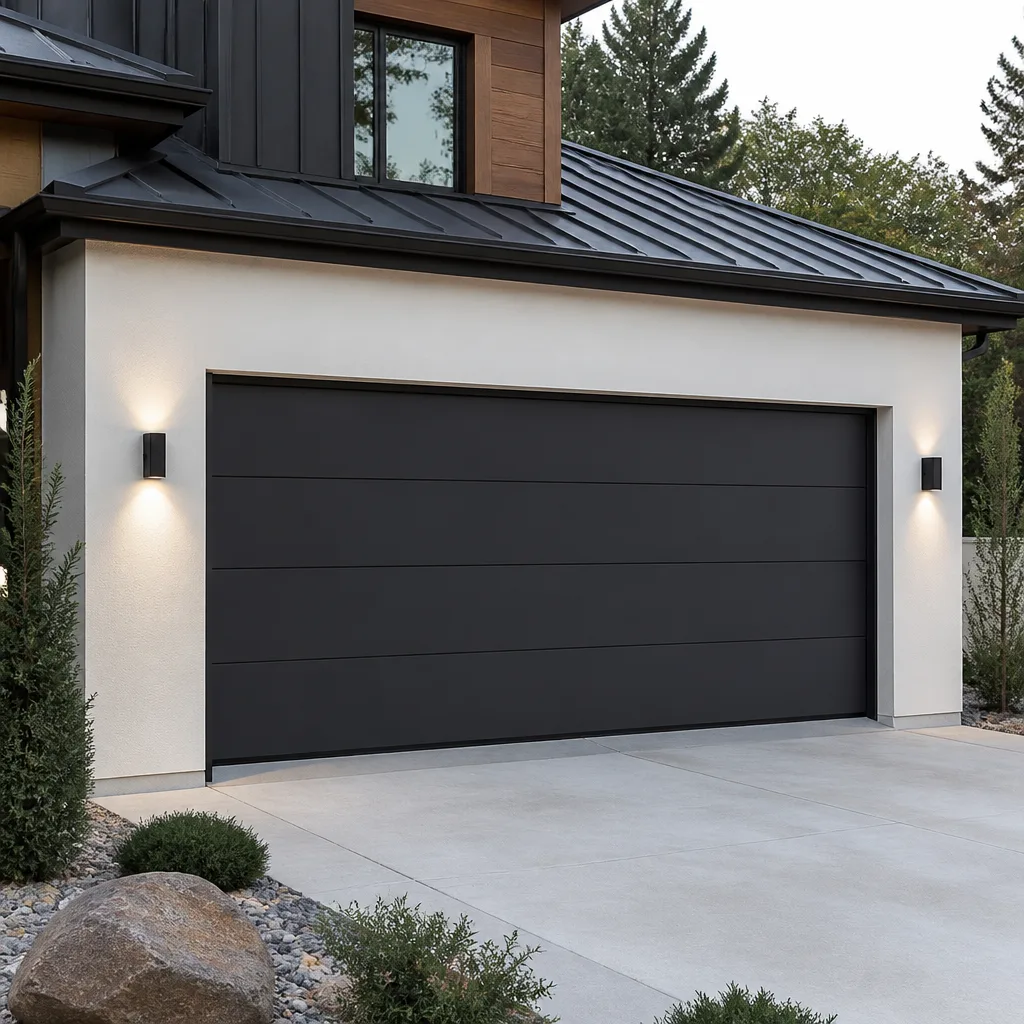 Modern flush
 Full-view glass
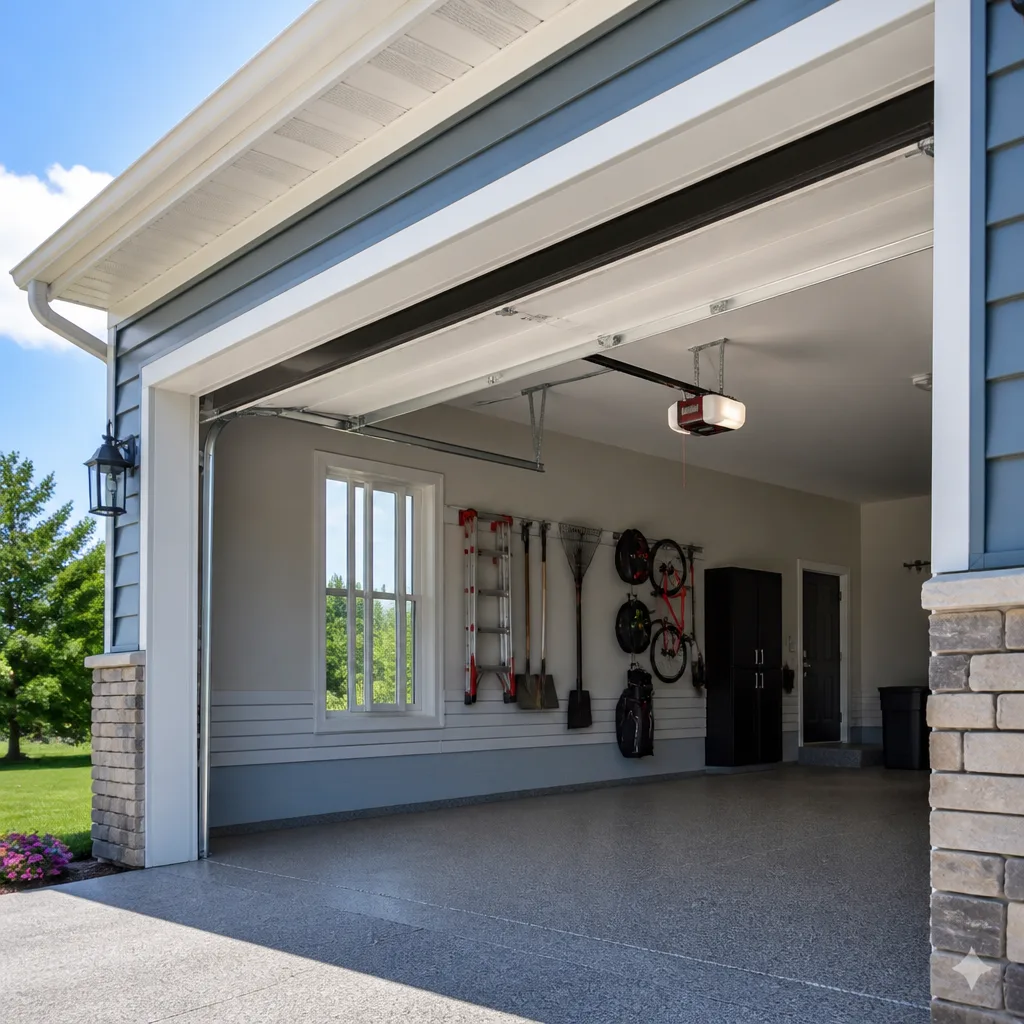 LiftMaster openers
 Chamberlain openers
Full 25-point door and opener safety check with every visit - springs, cables, rollers, tracks, and your LiftMaster or Chamberlain opener included
You get a price before we start. It does not change when the pro arrives.
Get your free estimateGarage Door Emergency Preparedness Guide for Short Pump Homes
Most homeowners think emergency readiness means having a phone number handy. It doesn’t. The part that actually decides whether a breakdown is a 20-minute inconvenience or a ruined morning is what you knew before anything broke. When a torsion spring lets go, the gap between the people who handle it calmly and the people who don’t usually comes down to three bits of knowledge: where the emergency release cord is, how to secure the door by hand, and whether the opener will re-engage cleanly after a manual cycle. None of that takes more than five minutes to learn beforehand, and all of it takes far longer to work out at 11 p.m. This guide gives you those five minutes. It covers how Short Pump doors typically fail, how to operate and lock a dead door, which failures can wait until morning and which can’t, and exactly what to have ready so a technician arrives with the right parts instead of making a parts run mid-job.
Quick Answer
Emergency garage door preparedness for a Short Pump home comes down to four things you set up before anything fails: knowing where your manual release cord is and how your specific opener re-engages, knowing how to lock the door with a clamp if it won’t close, being able to tell a broken spring or snapped cable apart from a dead opener, and having a service contact and a few photos ready. Most breakdowns are safe to secure overnight with a temporary measure. Broken springs, snapped cables, and a door off its track are the exceptions that need same-day professional attention.
Styles & brands we work with
- Raised-panel steel
- Carriage house
- Modern flush
- Full-view glass
- LiftMaster openers
- Chamberlain openers
Table of Contents
- Why Preparedness Beats Panic in Short Pump
- How to Manually Release Your Door (and the Step Most People Get Wrong)
- How to Secure a Door That Won’t Close
- Failure Triage: What Can Wait Until Morning and What Can’t
- What to Photograph and Document During an Emergency
- The Five-Minute Pre-Emergency Drill
- Know Your Spring System Before It Fails
- How Short Pump Weather and Housing Shape Door Failures
Why Preparedness Beats Panic in Short Pump
A garage door is the largest moving object in a house, and in most Short Pump homes it’s also the front door people actually use. It lifts a couple of times a day at minimum, and it does it loaded with spring tension, riding on cables and rollers, driven by an opener that’s been quietly working for years. When one of those parts gives out, the failure is sudden and often loud. The homeowner is left standing in the driveway in the dark trying to figure out what just happened.
The instinct in that moment is to force something. Push the door, hit the opener again, tug on a cable. That’s where small problems become expensive ones. A door that was merely stuck can end up off its track. A door with a snapped cable can come down hard if someone tries to lift it by hand. The whole point of getting prepared is to remove the forcing instinct and replace it with a short, calm sequence you already know.
Here’s what makes preparedness genuinely useful rather than just reassuring:
- You stop guessing. Knowing whether you’re looking at a spring failure or an opener failure tells you whether you’re calling for same-day service or scheduling a routine repair.
- Your home stays secure. A door that won’t close leaves a house open. Knowing how to lock it by hand buys you a safe night.
- The repair goes faster. When you can tell a technician your brand and what you saw, the right parts come on the first visit.
- You avoid injury. Springs and cables store enormous energy. Knowing not to touch them is the single most important piece of preparedness there is.
Short Pump homeowners lean on their doors heavily. Between commutes, school runs and the general rhythm of a busy household, a dead door disrupts a whole day. The five minutes you spend now is the difference between a disruption and a crisis. If you ever need the broader service picture, our Short Pump Garage Door Repair Pros page lays out what we handle.
How to Manually Release Your Door (and the Step Most People Get Wrong)
Every opener with a rail has a manual release, usually a red-handled cord hanging from the trolley that rides along the rail. Pulling it disconnects the door from the opener so you can lift it by hand. That part is simple. The step people get wrong is what happens next: re-engaging the trolley to the opener after a manual cycle.
Here’s the sequence, and then we’ll cover the mistake.
- Make sure the door is fully closed first, if it will close. Releasing a door that’s partway up puts its full weight on you.
- Locate the release cord hanging from the trolley on the rail. On most LiftMaster and Chamberlain openers it’s the red-handled one.
- Pull the cord straight down (some Genie models use a lever you flip instead). The trolley disconnects and the door is now free to move by hand.
- Lift the door slowly and evenly with both hands, holding it at the bottom panel. If it feels much heavier than usual, stop. A door that won’t stay up on its own is telling you the springs aren’t doing their job.
- To re-engage, close the door fully, then run the opener once. The trolley travels back down the rail and clicks into the door arm as it passes.
The mistake that causes a jammed trolley is re-engaging with the door in the wrong position or trying to force the trolley back by hand while the opener is at a different point on the rail. That’s how the trolley arm bends or the door arm twists. The reliable fix is the one in step five: close the door completely, then let the opener do the re-engagement itself on one cycle. If the trolley won’t catch after that, don’t keep cycling the opener. Something is misaligned, and that’s a job for a technician.
On older Craftsman and Raynor systems, the release mechanism can be a pull handle rather than a cord, and re-engagement works the same way: close the door, run the opener once, let it catch. If you’re not sure which style you have, that’s exactly the kind of thing worth checking this week rather than during a failure. Our garage door opener repair page covers the common opener faults that lead to release problems in the first place.
How to Secure a Door That Won’t Close
A door that won’t close is a security problem before it’s a mechanical one. If it’s stuck partway or jammed at the top, you need it shut and locked tonight. The legitimate temporary method is a C-clamp on the track, and it works.
- Lower the door by hand if you safely can, with the opener disconnected via the release cord. If the door is jammed and won’t move smoothly, don’t force it.
- Place a C-clamp on the vertical track just above a roller, on both sides if you can reach them, so the roller can’t travel up past the clamp.
- Tighten the clamp snug against the track. This physically blocks the door from being lifted. It’s a temporary lock, not a repair.
- Add a second layer of security with a door lock or a bar if your door has one, and use the interior deadbolt or slide lock on any connecting entry door.
The C-clamp is a real, accepted short-term measure. What it isn’t is a fix. It holds the door in place; it doesn’t address why the door stopped closing. Use it when the failure is an opener problem and the door itself is sound. If the door is visibly off its track, or you can see a cable hanging slack, a clamp won’t hold it safely and the door needs professional attention rather than a field fix. Our garage door repair page is where to look when the temporary measure has done its job and the actual repair begins.
Failure Triage: What Can Wait Until Morning and What Can’t
Not every failure is an emergency. The useful skill is being able to sort what’s in front of you into “secure it and deal with it tomorrow” versus “this needs a professional today.” Here’s how the common failures break down.
- Broken torsion spring. You’ll usually hear a loud bang. The door becomes extremely heavy and often won’t lift. This is a same-day call. Don’t run the opener again and don’t try to lift the door by hand repeatedly.
- Snapped cable. A cable hanging loose or coiled at the side of the door is a same-day call. The door is no longer safely supported on that side. Do not touch the cable.
- Door off track. A door that’s jumped its track, or is crooked in the opening, is a same-day call. Forcing it back can bring it down.
- Opener failure (door itself is fine). If the door moves smoothly by hand and stays up, the door is sound and the opener is the problem. Secure the door with the C-clamp method and schedule opener repair. This can usually wait until morning.
- Door won’t close but moves freely. Often a sensor or alignment issue. Secure it and schedule service.
- Remote or keypad dead, door otherwise fine. Not an emergency. Secure overnight, sort it out during the day.
Two rules of thumb cut through the noise. First: if you can see or hear that a spring or cable has failed, it’s same-day. Second: if the door itself can be moved safely by hand and held closed, you have time to schedule rather than rush. When in doubt, secure the door and call. A quick call costs nothing and settles which category you’re in.
What to Photograph and Document During an Emergency
This is the step almost nobody thinks of, and it’s the one that saves the most time on the repair. When a technician knows your brand and what failed before arriving, the right parts come on the first visit. When they don’t, the job includes a parts run in the middle of it.
Before you call, take these photos:
- The full door, straight on, so the panel style and size are clear.
- The brand and model label, usually on the opener’s motor housing or the door’s end stile. A close, readable shot.
- The spring, showing its position above the door and whether it’s one spring or a pair.
- The cable area on both sides, in case something is slack or hanging.
- Any part that looks broken or displaced, photographed where it sits rather than moved.
Along with the photos, jot down the door’s approximate width and height, whether the opener is a chain, belt or screw drive if you can tell, and what the door did right before it failed (a noise, a stall, a partial cycle). That handful of details tells a technician whether they’re looking at a garage door spring repair job, an opener job, or both. It also tells them what to load before they leave. It takes two minutes in the moment and routinely saves a return trip.
The Five-Minute Pre-Emergency Drill
This is the whole guide in one exercise. Set aside five minutes this week and walk through these four things. Do it once and you’re prepared for the next failure, whenever it comes.
- Find your manual release. Open the door, look up at the rail, and put your hand on the release cord or lever so you know exactly where it is and how it moves.
- Identify how your opener re-engages. Note whether your model uses a pull cord or a lever (LiftMaster and Chamberlain typically use the pull cord; some Genie units use a lever). Note the model off the label.
- Locate your manual lock point. Find the vertical track and decide where a C-clamp would sit on both sides. If you have a door lock, confirm it works.
- Save your service contact. Put the number in your phone under something you’ll recognize from a search, like “Garage Door – Short Pump.” The number here is (833) 468-5635.
A fifth item belongs on any Short Pump homeowner’s list: know your spring system type. That’s the next section, and it matters because it’s the difference between knowing roughly what’s involved and learning it under pressure.
Know Your Spring System Before It Fails
Garage doors use one of two spring systems, and knowing which you have tells you a lot about what a failure will look like and what it will take to fix.
Torsion springs mount horizontally on a metal shaft above the door, usually near the center. Modern doors in Short Pump homes mostly use torsion springs, sometimes a single spring, often a matched pair. When one breaks, the loud bang is the spring cracking and the door suddenly losing its counterbalance. The door becomes very heavy and is unsafe to lift by hand. Replacing a pair together is the norm because a matched pair wears together; a single spring replacement is a smaller job, and a pair costs roughly twice a single spring, so budget for the pair when a torsion system fails.
Extension springs run along the horizontal tracks on either side, stretching as the door closes. Older homes often have them. They fail with less drama but carry their own risk, and they’re the system with the extra safety concerns because a failed extension spring can travel if it isn’t contained.
Either way, this is the repair that needs a specialist. Torsion and extension springs store enough energy to cause serious injury, and adjusting or replacing one requires the right tools, the right technique, and the training to know how much tension the system is under. There’s no safe “just tighten it” version of this. Keep your hands off the spring and the cables, secure the door, and call. Our technicians have up to 9 years of experience, and spring work is a standing specialty rather than a side job. If you’re weighing a repair against a replacement, the detail on garage door repair in Short Pump helps you see which makes sense for your door.
How Short Pump Weather and Housing Shape Door Failures
Garage doors fail everywhere, but the way they fail is shaped by the local weather and the local housing stock. Short Pump sits in central Virginia, where summers run hot and humid and winters bring real cold snaps and occasional ice. That swing matters. Metal expands and contracts across the seasons, and the repeated cycle of heat and cold works on springs, hinges and rollers. A door that runs quietly in spring can stiffen in a cold snap and start binding on the way up. That stiffness loads the spring harder and the opener works longer.
The other local factor is the housing. Much of the newer construction around Short Pump pairs large, wide doors with modern torsion systems and smart-connected openers. Those doors are heavier than the older, narrower doors out in the surrounding countryside, which means the springs carry more load and the openers do more work per cycle. In homes with older extension-spring doors, the age of the hardware itself raises the odds of failure. Both types benefit from the same preparedness steps, and both need the same respect for spring tension.
There’s also a seasonal rhythm worth knowing. Failures cluster around the first cold snap of the year, when everything contracts at once, and around the hottest weeks, when heat and long running cycles add up. That’s not a reason to worry. It’s a reason to check your manual release and your service contact before those weeks arrive rather than during them. The broader service picture, from routine repair to a full new installation, is on our Short Pump Garage Door Repair Pros page; the point for preparedness is simpler: know what you’ve got and where to call.
Common Mistakes to Avoid
- Forcing a stuck door. Pushing or yanking a door that’s binding or off track can drop it or bend a panel. Stop, secure what you can, and call.
- Running the opener after a spring breaks. The motor was never meant to lift the full weight of the door, and cycling it repeatedly is how openers get destroyed. Pull the release and stop.
- Touching the spring or cable. This is the single biggest injury risk in the trade. Springs and cables under load are not a homeowner fix, full stop.
- Re-engaging the trolley by hand at the wrong position. Close the door fully and let the opener re-engage itself on one cycle. Forcing the trolley back is how it bends.
- Leaving a dead door open overnight. A door that won’t close is an open house. Clamp the track and lock any connecting door before you go to bed.
- Calling without your model or photos. The brand and model off the label save a parts run. Take the photos before you dial.
- Assuming a fix will hold when it won’t. A clamp is temporary. A door off track, a slack cable or a broken spring needs real service, and waiting past a night on those problems can make the repair bigger.
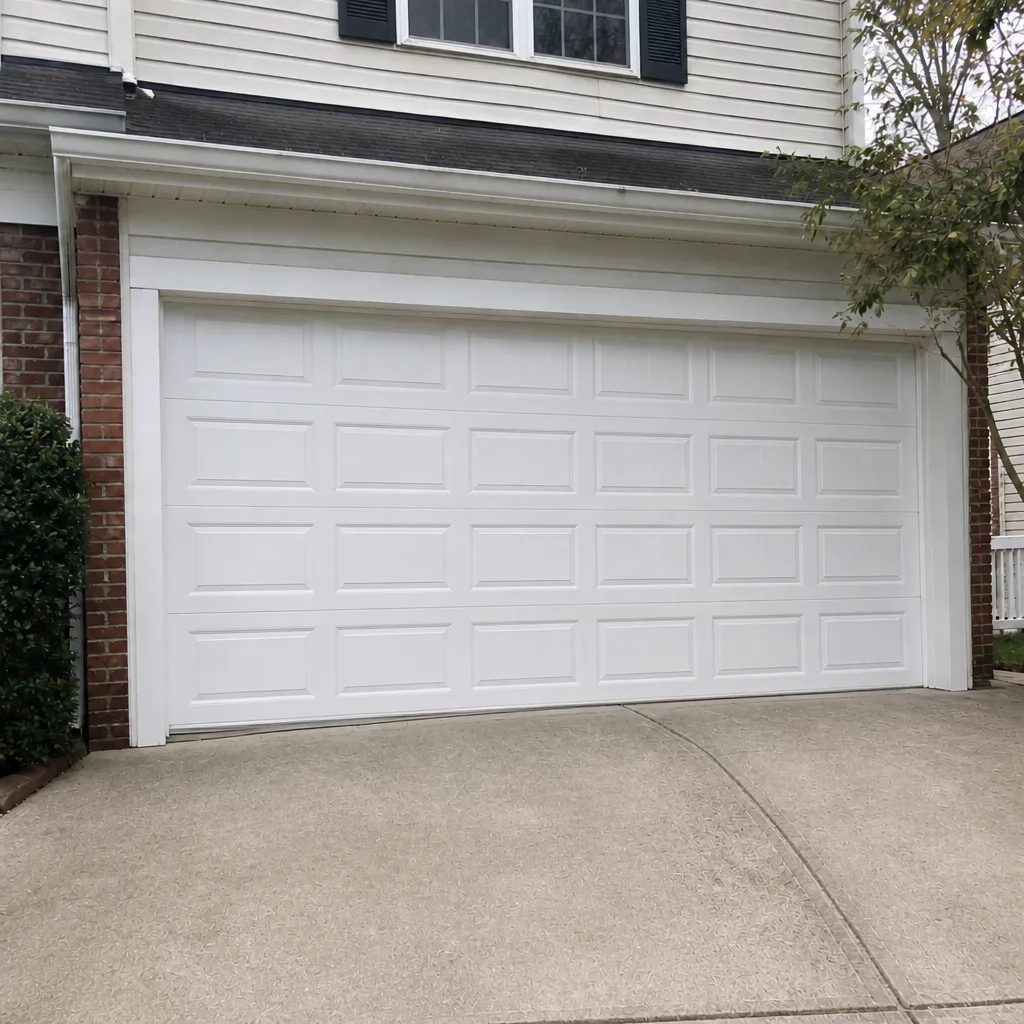
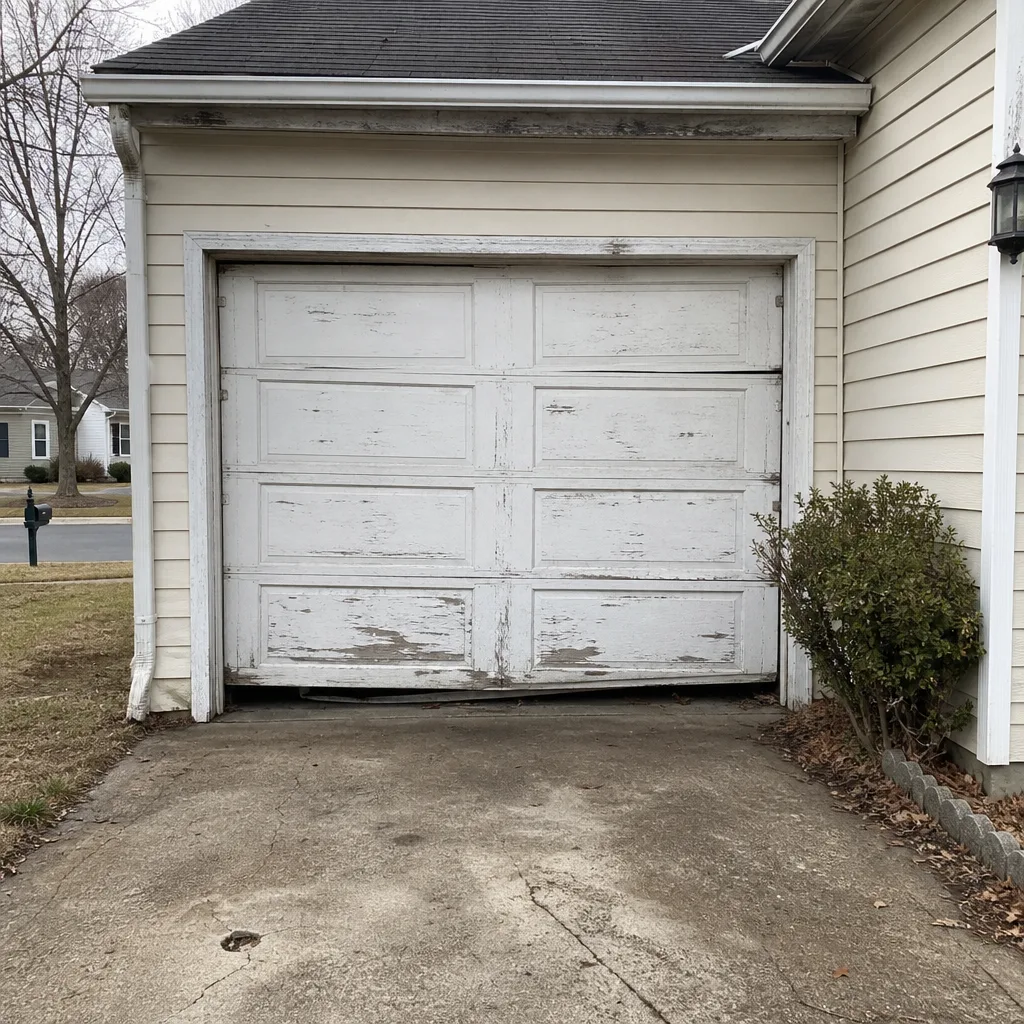
See the difference
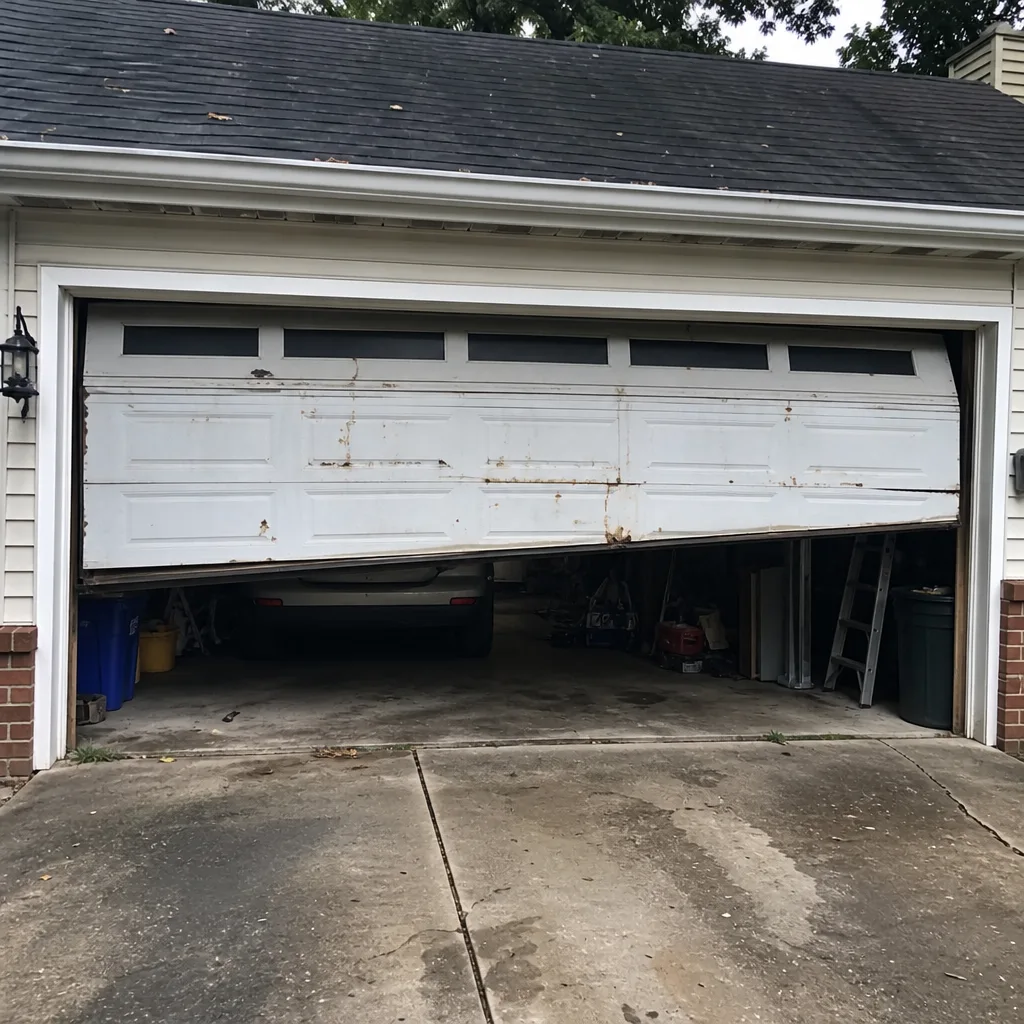 Before
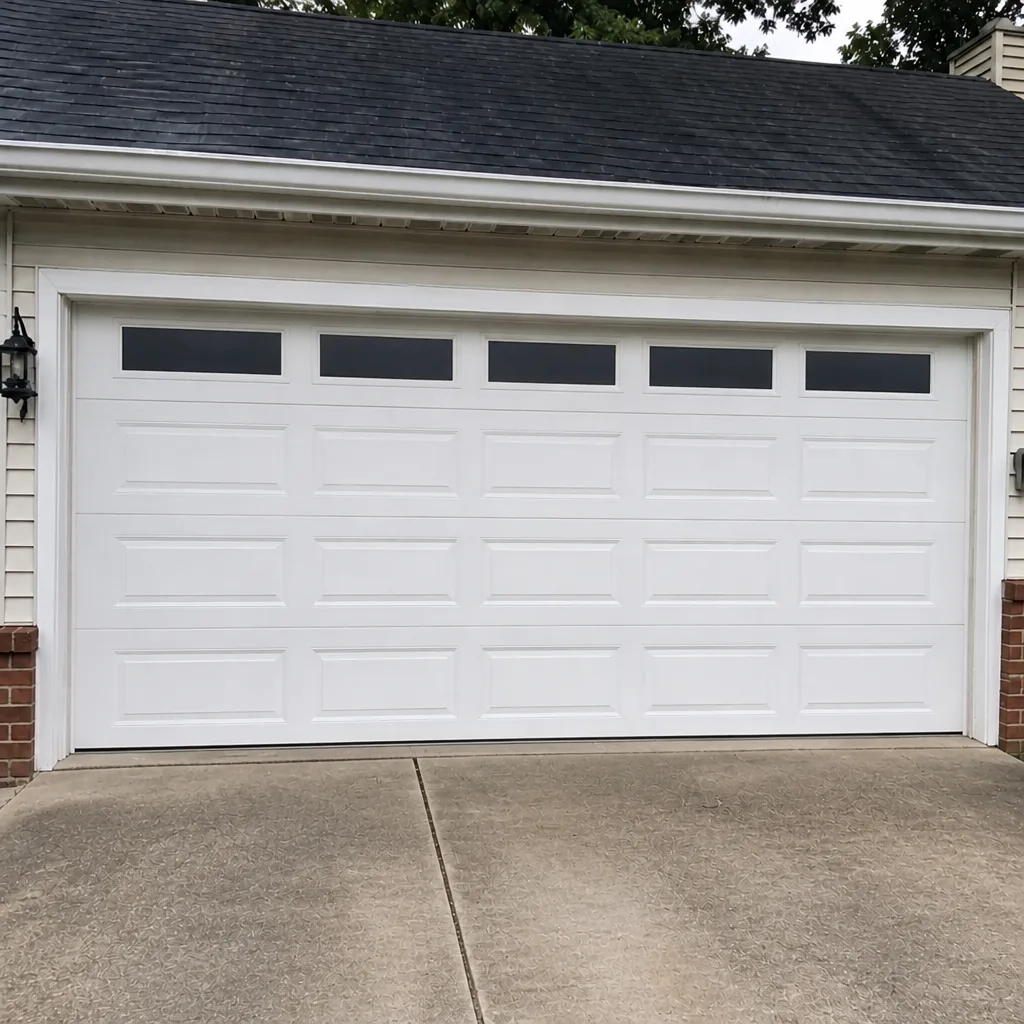 After
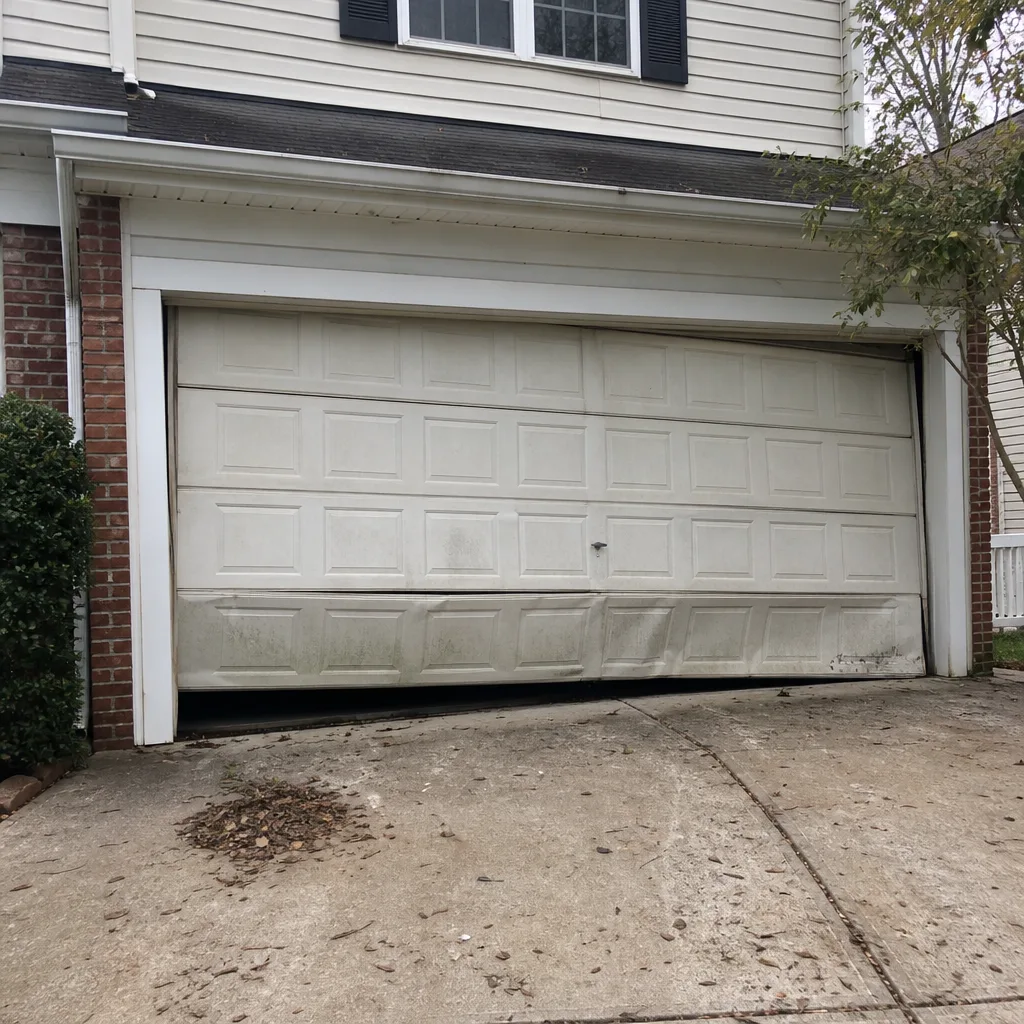 Before
 After
 Before
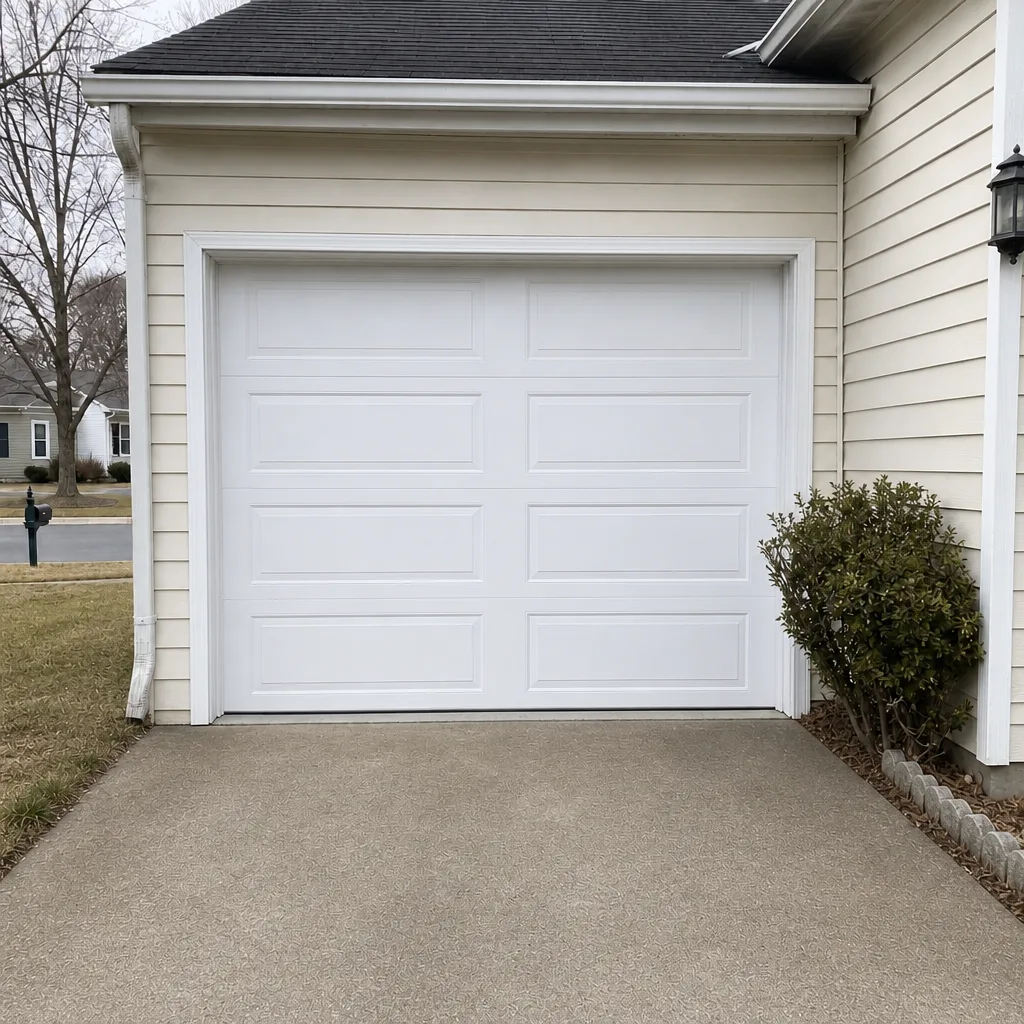 After
When to Call a Professional
Call a professional the moment you see a broken spring, a snapped or slack cable, or a door that’s come off its track, and don’t move or lift the door in the meantime. Those are the failures where the risk of injury or a bigger repair climbs the longer the door sits in a compromised state. A door that won’t close and won’t secure, or an opener that’s failed leaving the door heavy or unmanageable, also belongs on that list. For the calmer cases, like a dead opener on a sound door, secure it with the clamp method and book the repair in daylight. Short Pump Garage Door Repair Pros offers free estimates in Short Pump: call (833) 468-5635. We work on what you already have, across LiftMaster, Chamberlain, Genie, Raynor and the other major brands, so you won’t be told your door is one we don’t handle.
Frequently Asked Questions
Pull the red-handled release cord hanging from the trolley on the rail, which disconnects the door from the opener so you can lift it by hand. On some Genie models it’s a lever you flip instead. Make sure the door is closed first, then lift it slowly with both hands and stop if it feels unusually heavy.
Close the door fully, then run the opener once and let the trolley travel back down the rail to click into the door arm as it passes. This is the step most people get wrong: forcing the trolley back by hand at the wrong position is how it bends. Let the opener do the re-engagement itself on a single cycle.
Yes, using a C-clamp on the vertical track just above a roller on each side, tightened snug so the door can’t be lifted. That’s a legitimate temporary lock. It holds the door in place but doesn’t fix what stopped it from closing, so it’s a tonight measure, not a repair.
Yes. A broken torsion spring leaves the door extremely heavy and unsafe to lift by hand, and it needs same-day professional service. Don’t run the opener again and don’t touch the spring or cables. Secure the door and call for a technician.
Usually, yes, if the door itself moves smoothly by hand and you can secure it with the C-clamp method. An opener failure on a sound door can wait until daylight. If the door is heavy, off its track, or won’t stay up on its own, that’s a same-day call.
Photos of the full door, the opener’s brand and model label, the spring, and any broken part, plus the door’s approximate width and height and what it did right before it failed. That detail lets a technician bring the right parts on the first visit instead of stopping for a parts run mid-job.
The Bottom Line
Emergency garage door preparedness in Short Pump isn’t about having spare parts or a stack of tools. It’s about knowing four things before anything breaks: where your manual release is, how your opener re-engages, how to lock the door with a clamp if it won’t close, and how to sort a failure into “secure it overnight” versus “same-day call.” Broken springs, snapped cables and off-track doors need professional attention the day they happen; a dead opener on a sound door can wait until morning. Learn your release procedure this week, photograph your brand and model, and save the number. A door that fails while you’re prepared is an inconvenience. A door that fails while you’re not is a scramble.
When you’re ready, call Short Pump Garage Door Repair Pros at (833) 468-5635 for a free estimate. One call covers the door and the opener, and the technician will know your brand before arriving.
Written by the team at Short Pump Garage Door Repair Pros.