Last updated November 23, 2026
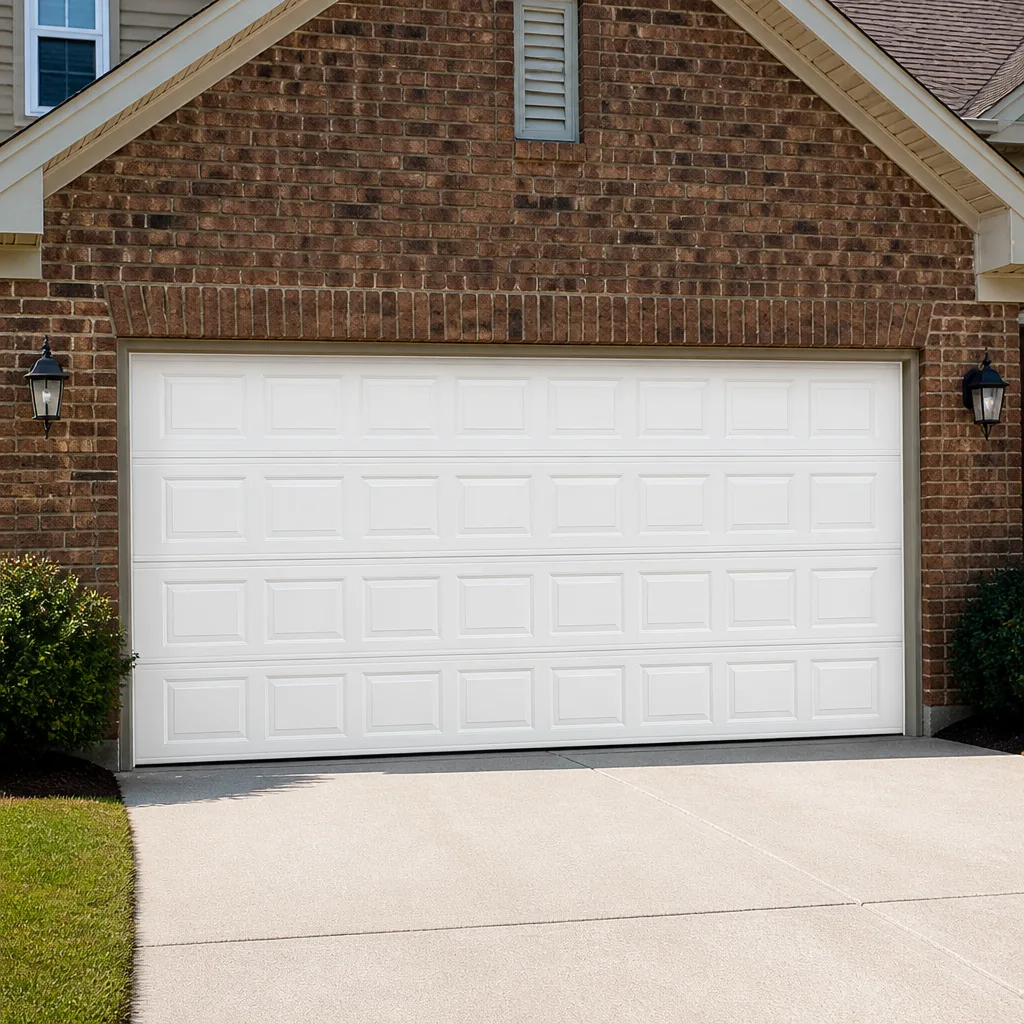 Raised-panel steel
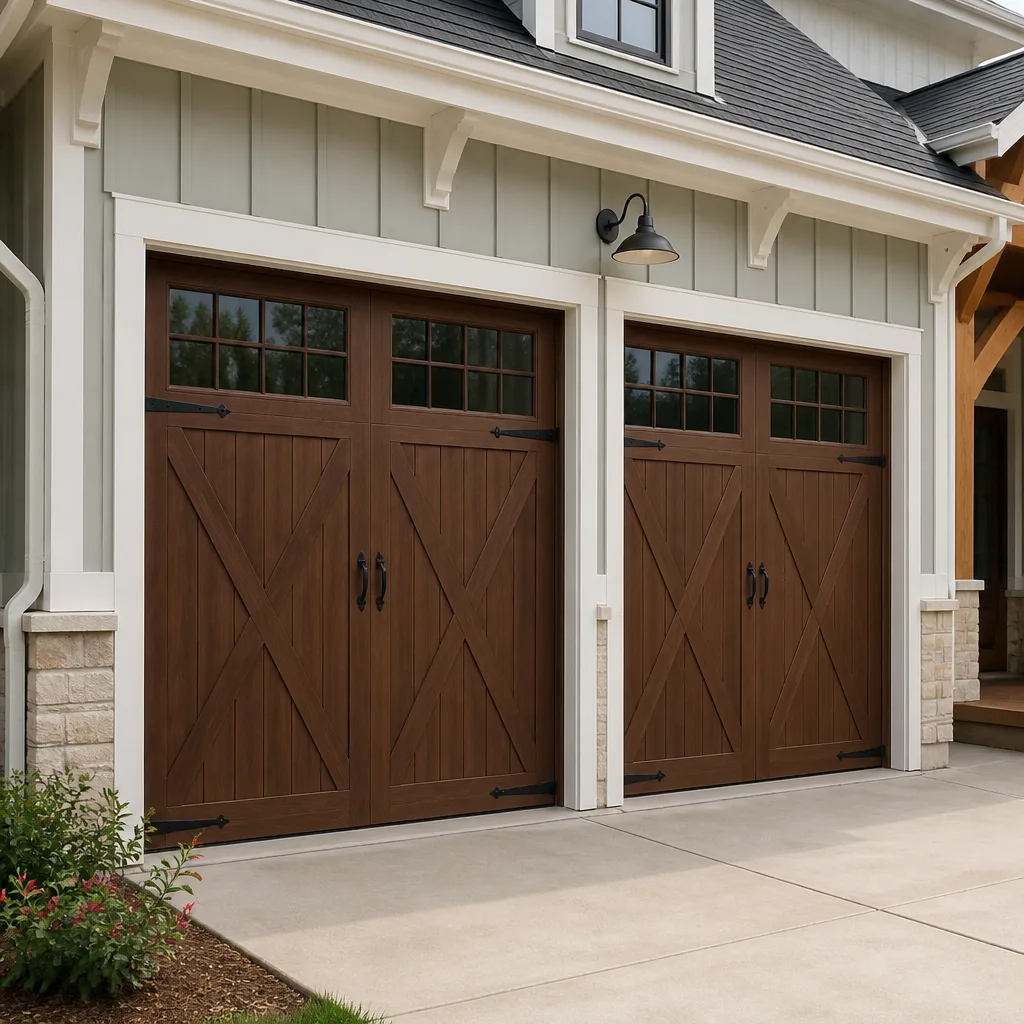 Carriage house
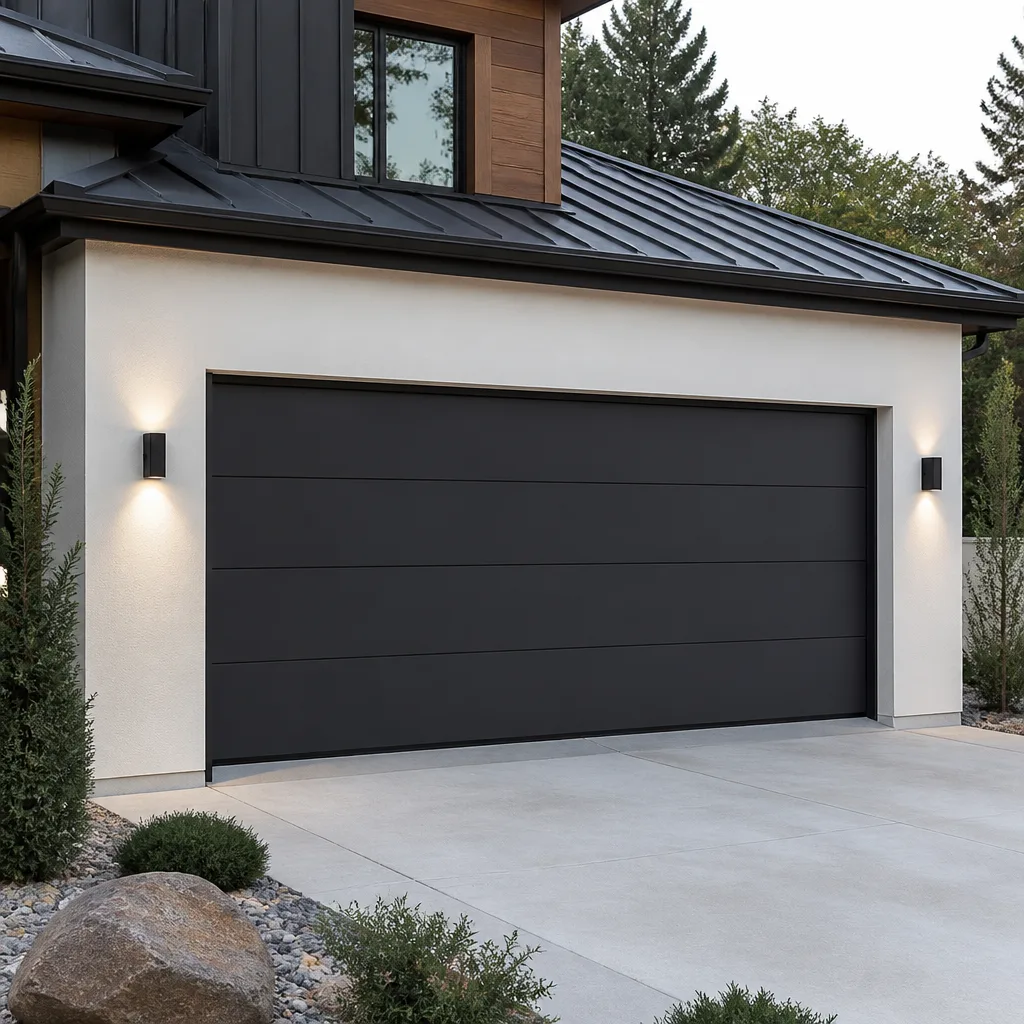 Modern flush
 Full-view glass
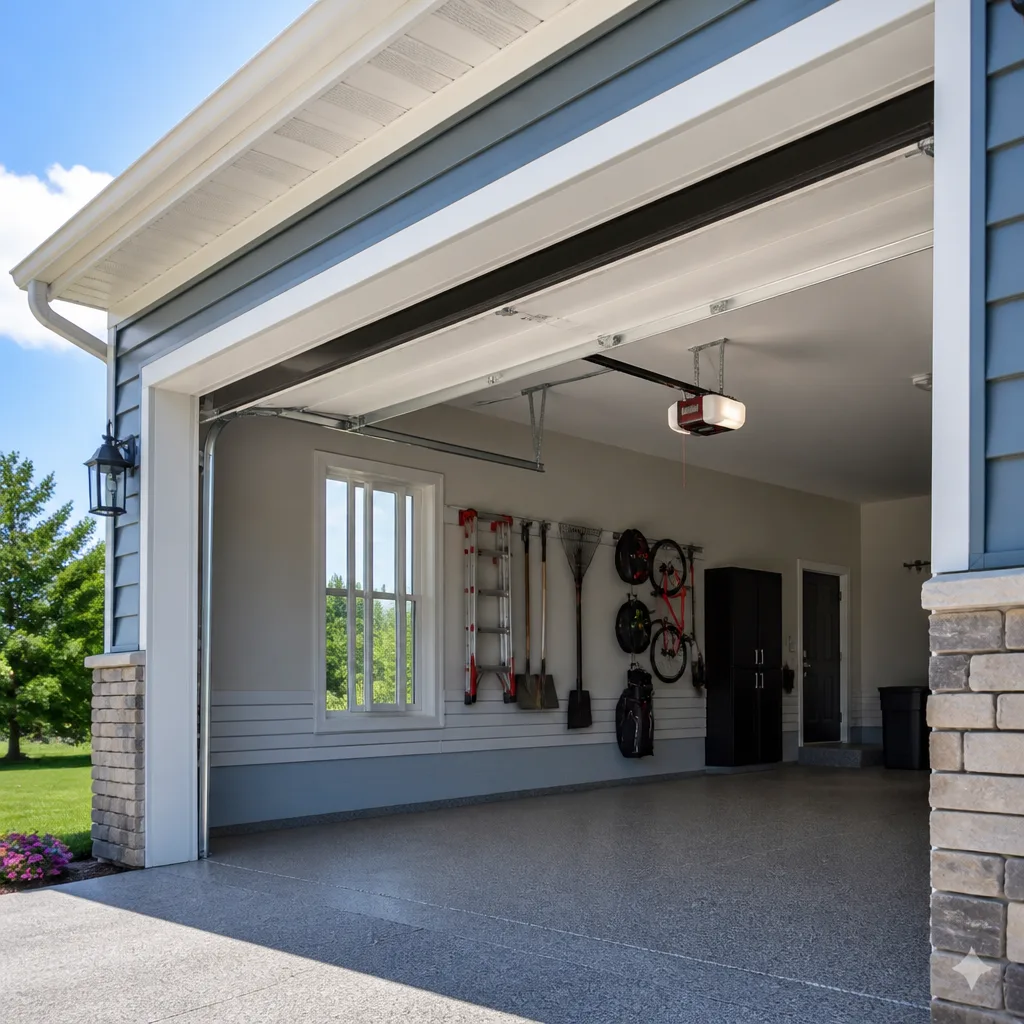 LiftMaster openers
 Chamberlain openers
Full 25-point door and opener safety check with every visit - springs, cables, rollers, tracks, and your LiftMaster or Chamberlain opener included
You get a price before we start. It does not change when the pro arrives.
Get your free estimateGarage Door Repair Maintenance Checklist for Short Pump Homeowners
A snapped torsion spring at 7 a.m. is almost never random. In most cases, the cable fraying, the bottom seal cracking, and the opener straining were visible for months beforehand. The checklist most homeowners use misses all three because it was copied from a manufacturer’s PDF that treats every door the same. It doesn’t account for how a door actually wears in central Virginia’s humidity swings, or for the order in which parts tend to fail. This guide is built around that failure sequence: what goes first, what goes second, and which problems are really symptoms of something ignored earlier. We’ll show you what you can safely check yourself on a Short Pump door, what to leave alone, and how to hand off useful information when it’s time to call.
Quick Answer
To keep a garage door in Short Pump running safely, inspect springs, cables, rollers, and the bottom seal monthly with your eyes only, lubricate hinges and rollers every six months, test the door’s balance and the opener’s auto-reverse once a month, and book a professional tune-up once a year. Springs typically fail first, cables second, and rollers third. Anything involving the torsion spring or the cables themselves is a trained-technician job, no exceptions.
Styles & brands we work with
- Raised-panel steel
- Carriage house
- Modern flush
- Full-view glass
- LiftMaster openers
- Chamberlain openers
Table of Contents
- The Failure Sequence: What Breaks First, Second, and Third
- What You Can Safely See on a Torsion Spring System
- The 60-Second Balance Test and What It Tells You
- Lubrication: Correct Products and a Realistic Schedule for Virginia Humidity
- Opener Checks: What a Straining Motor Is Telling You
- Seals, Weatherstripping, and the Short Pump Climate
- The Hand-Off Checklist: What to Document Before You Call
- A Month-by-Month Maintenance Calendar
The Failure Sequence: What Breaks First, Second, and Third
Here’s the model we want every Short Pump homeowner to keep in mind: garage doors don’t fail at random. They fail in a fairly predictable order, and every step in that order gives you a warning before it becomes an emergency.
- Springs go first. Torsion spring systems carry the weight of the door, and every open-and-close cycle works the metal just a little. Springs wear out before anything else in the system, and when one lets go, the door stops cooperating entirely. Extension springs tend to go the same way, often with a loud snap.
- Cables go second. As the springs lose tension, the cables work harder. Fraying, kinking, or a cable that has jumped its drum is usually a sign the spring system has been under strain.
- Rollers and hinges go third. Worn rollers and hinges are the noisy, sluggish failures. They rarely cause a sudden breakdown, but they put extra load on the opener and the springs, which speeds up the cycle from step one.
The part most checklists miss: a lot of “second” and “third” failures are really symptoms. A door that suddenly needs two hands to lift isn’t broken at the bottom seal. It’s telling you the springs have lost tension and are about to fail. Reading those symptoms correctly is what turns a 7 a.m. emergency into a scheduled repair. When a spring does give out, our garage door spring repair service is a dedicated specialty because torsion and extension systems are the most mechanically demanding part of the whole door.
What You Can Safely See on a Torsion Spring System
You can learn a lot from a torsion spring system with your eyes and a flashlight, standing safely to the side and never touching the springs, cables, or winding cones. These are the visual points we look at first, and you can too:
- Winding cone gaps. Look at the ends of the torsion bar where the springs terminate. The winding cones should sit tight and consistent. A visible gap or a cone that looks backed off is a warning sign, not something to tighten yourself.
- Rust striping. A line of rust running lengthwise along a spring means the metal is stressed and moisture has gotten in. Rust striping is one of the earliest visible signs a spring is on its way out.
- Cable kinking or fraying. Follow each cable from the drum to the bottom bracket. Frayed strands, a kink, or a cable sitting loosely on the drum all point to a cable that needs professional attention.
- Misaligned or sagging door sections. Stand back and look at the door closed. Sections that don’t line up evenly can signal worn rollers or a spring system that’s no longer balanced.
- The bottom seal. A cracked, stiff, or hanging seal is easy to spot and often the first thing to degrade in our humidity.
One safety note we won’t soften: torsion springs and their cables are under extreme tension at all times. Touching them, trying to adjust a winding cone, or cutting a cable is genuinely dangerous and should only be done by a trained professional. Look all you like. Leave the rest to a technician. A trained hand on a garage door repair visit will also spot the points you can’t safely inspect, like the spring wind count and drum condition.
The 60-Second Balance Test and What It Tells You
The balance test is the single most useful check you can do yourself, and it takes under a minute. It tells you whether your springs are holding their tension or are already weakened, which is exactly the early warning you want before a break.
- Close the garage door completely and disconnect the opener using the manual release cord (usually a red handle). The door should now move by hand.
- Lift the door about halfway up, to roughly waist height, and let go gently.
- Watch what happens. A door with good spring tension should stay where you put it, maybe drifting a few inches at most.
- If the door drops on its own or falls quickly, the springs have lost tension or the door is out of balance.
- If the door feels very heavy to lift, or rises on its own, the springs are over-tensioned or something else is off.
- Reconnect the opener when you’re done and run the door once to make sure it engages normally.
What it means: a door that won’t hold its position is telling you the springs are on borrowed time. That’s the moment to book a professional check rather than wait for the snap. Don’t try to correct the tension yourself; the fix involves the springs, and that’s a specialist’s job. We handle this exact diagnosis on every visit, and it’s one reason we treat spring work as a specialty rather than a side task.
Lubrication: Correct Products and a Realistic Schedule for Virginia Humidity
Lubrication is where a lot of checklists go wrong twice: they recommend the wrong product and the wrong frequency. Here’s what actually works in central Virginia.
Use the right product. A white lithium grease or a dedicated garage door lubricant is the right choice for hinges, rollers, and the spring coils. Standard silicone spray works on the tracks. Do not use WD-40 as your primary lubricant; it’s a solvent, not a lasting lubricant, and it will dry out and leave moving parts worse than before. A light coat of the right product beats a heavy soak of the wrong one.
Match the schedule to the season. Virginia’s humidity swings from sticky summer air to dry winter cold, and that cycle is hard on metal. A realistic schedule:
- Every six months (early spring and late fall): a light coat of white lithium grease on hinges, rollers, and spring coils, plus silicone on the tracks.
- Monthly in humid stretches: a quick wipe-down of any visible rust on rollers and a glance at the tracks for grit.
- After any visible rust or a noisy cycle: re-lubricate the noisy part and check that it isn’t actually worn out and due for replacement.
Keep it light. Too much grease collects dirt and grit, which wears rollers faster. A thin, even film is the goal.
Opener Checks: What a Straining Motor Is Telling You
Your opener is the part that gets blamed for problems it usually didn’t cause. When a motor strains, hesitates, or reverses for no apparent reason, it’s often reporting on the door, not failing itself.
- Straining or slow lift. Usually the springs have weakened and the opener is doing work the springs should be doing. That’s a door problem wearing out the opener.
- Hesitating or reversing. Often a safety sensor or a door that’s binding. Check that the safety sensors at the bottom of the tracks are aligned and their lenses are clean.
- Random stops and starts. Could be a worn gear, a stretched chain, or a failing logic board. Older openers and modern app-connected ones fail differently, which is why a brand-aware technician matters.
Test the auto-reverse monthly: place a roll of paper towels or a brick flat in the door’s path, run the door down, and confirm it reverses on contact. If it doesn’t reverse, don’t use the door until it’s checked. We diagnose and repair openers from all the major families, including Chamberlain and Genie units, whether they’re older chain-drive systems or modern app-controlled openers. If yours is misbehaving, our garage door opener repair service covers both the older and the smart-connected platforms. And because we handle the door and the opener together, a single visit can sort out both.
Seals, Weatherstripping, and the Short Pump Climate
The bottom seal and weatherstripping are the last line of defense, and they take a beating in central Virginia. Hot, humid summers soften and crack the rubber; cold snaps stiffen it; and the daily cycle of opening and closing wears the seal against the driveway. A failing bottom seal lets in water, insects, and cold air, and it can also throw off the door’s closing position.
What to check each month:
- Bottom seal: look for cracks, tears, stiffness, or gaps where the door meets the floor. A seal that no longer touches evenly is letting air and water in.
- Side and top weatherstripping: check that it’s still flexible and pressed against the door without gaps.
- The threshold area: standing water near the door after a storm is a sign the seal or the fit needs attention.
Replacing a bottom seal is one of the simpler fixes on the whole door, but if the door itself is also dragging or sagging, the seal is a symptom, not the cause. A door that closes unevenly usually points back to worn rollers or a weakened spring. A proper tune-up sorts both at once, which is why a Short Pump homeowner dealing with a drafty, noisy door usually does better calling one specialist than chasing the seal on its own.
The Hand-Off Checklist: What to Document Before You Call
Here’s something most checklists skip entirely: what to report to a technician so the visit is faster, more accurate, and less expensive. A garage door is a system, and a good technician can do far more with a clear description than with a vague “it won’t work.” Before you call, note the following:
- The brand. Check the label on the opener and, if visible, the door. LiftMaster, Chamberlain, Genie, Clopay, Amarr, Wayne Dalton, Craftsman, and Raynor units each have known failure patterns, and knowing the brand up front saves diagnostic time.
- What changed and when. Did it start suddenly or gradually? Did it follow a storm, a power blip, a bang, or a slow decline? Timing points at the cause.
- Which part is suspect. Note the balance test result, any visible rust striping, a kinked cable, a cracked seal, or a motor that strains.
- Whether the door is stuck open, closed, or halfway. This affects urgency. A door stuck half-open and an unsecured home is an emergency; a door stuck closed with a car inside is a lockout.
- Whether the opener is original or upgraded. Old systems and modern smart openers are checked differently, and the technician will bring the right parts if they know.
That short list turns a guess into a diagnosis and takes minutes off the visit. If your door is genuinely stuck or the car is trapped, call right away; that’s exactly what emergency garage door service is for, and it’s a standing part of what we do rather than a special-request tier.
A Month-by-Month Maintenance Calendar
If you want one schedule to keep on the fridge, make it this one. It spreads the work across the year so nothing gets forgotten.
- January: Balance test and auto-reverse test; clear snow, ice, and salt grit from the bottom of the door and tracks.
- February: Wipe down rollers and listen for new noise; check the bottom seal for stiffness from the cold.
- March: Spring tune-up lubrication; inspect the springs for rust striping after winter.
- April: Check the weatherstripping and bottom seal for cracks; clean the tracks.
- May: Auto-reverse test and balance test; check safety sensors and their alignment.
- June: Lubricate hinges, rollers, and springs ahead of the humid stretch; light silicone on tracks.
- July: Visual check for rust on rollers and springs as humidity peaks; wipe down noisy parts.
- August: Check the door stays balanced; book a professional tune-up if you haven’t had one this year.
- September: Fall service visit; check the springs, cables, and hinges before the cold arrives.
- October: Confirm the seal and weatherstripping are tight for the cold season; re-test the auto-reverse.
- November: Clear leaves and grit from the tracks; listen for a straining motor.
- December: Final balance test and a look at the bottom seal; note anything for a winter service call.
You don’t have to do it all yourself. The point of the calendar is to catch problems before they cascade from one part to the next, which is exactly the failure sequence we started with.
Common Mistakes to Avoid
- Trying to adjust or replace the springs yourself. Torsion and extension springs are under extreme tension and can cause serious injury. This is the exact repair that needs a specialist, not a general handyman or a roll of duct tape.
- Using WD-40 as the go-to lubricant. It’s a solvent, not a lasting lubricant, and it leaves moving parts drying out. Use white lithium grease for hinges, rollers, and springs.
- Ignoring a noisy door because it still opens. Noise is usually a worn roller or an absence of lubrication. Left alone, a noisy roller can wear the hinge and start a slow cascade toward the springs.
- Confusing a straining opener with a broken opener. Many “opener failures” are actually weakened springs the opener is working too hard to compensate for. Replacing the opener won’t fix a door that’s out of balance.
- Skipping the auto-reverse test. That test is the one thing standing between a child, a pet, or a package and a door that won’t reverse. Check it monthly, and wait for a fix if it fails.
- Ignoring the bottom seal because it’s just rubber. A cracked seal lets water and insects in and throws off the door’s close position. It’s cheap to fix and easy to put off.
- Calling a generalist and waiting two days. A door that traps a car or leaves the home unsecured needs emergency service, not a callback sometime next week. Know the difference before it happens.
See the difference
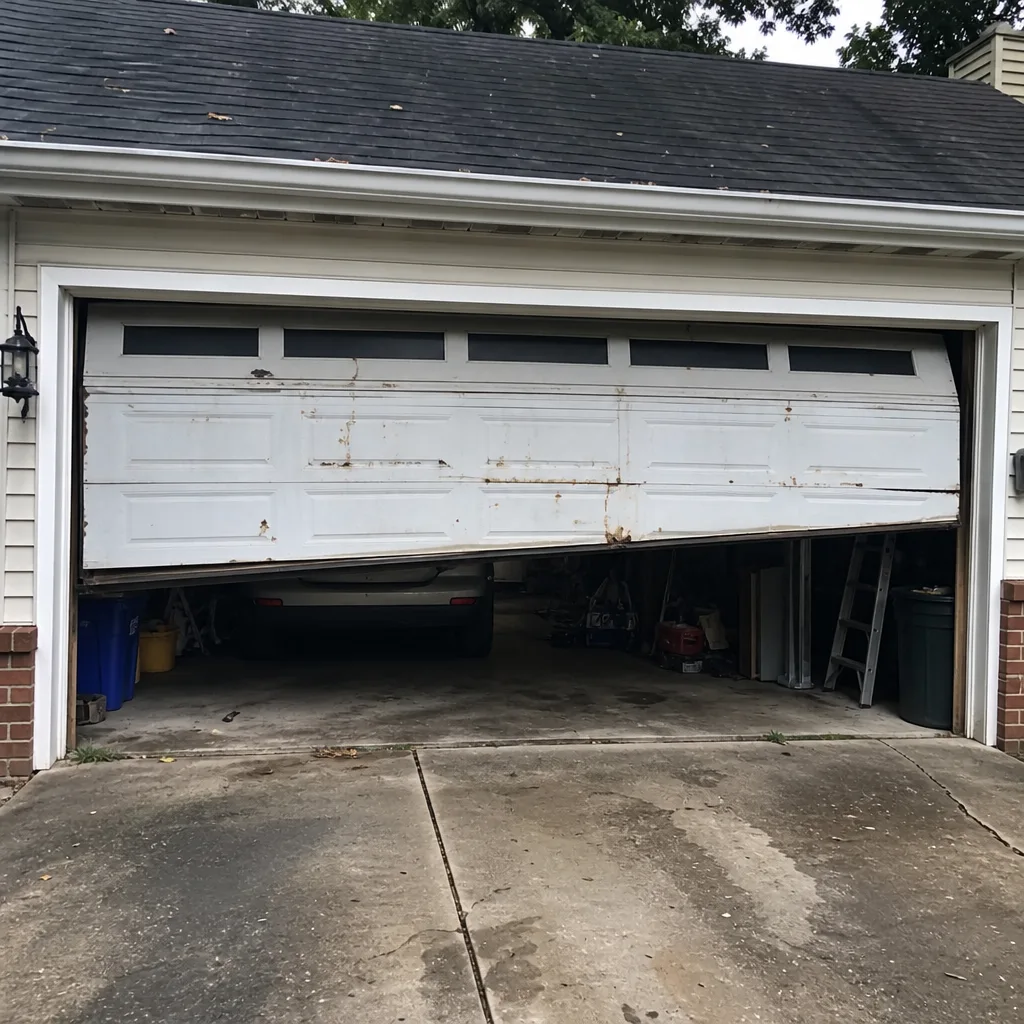 Before
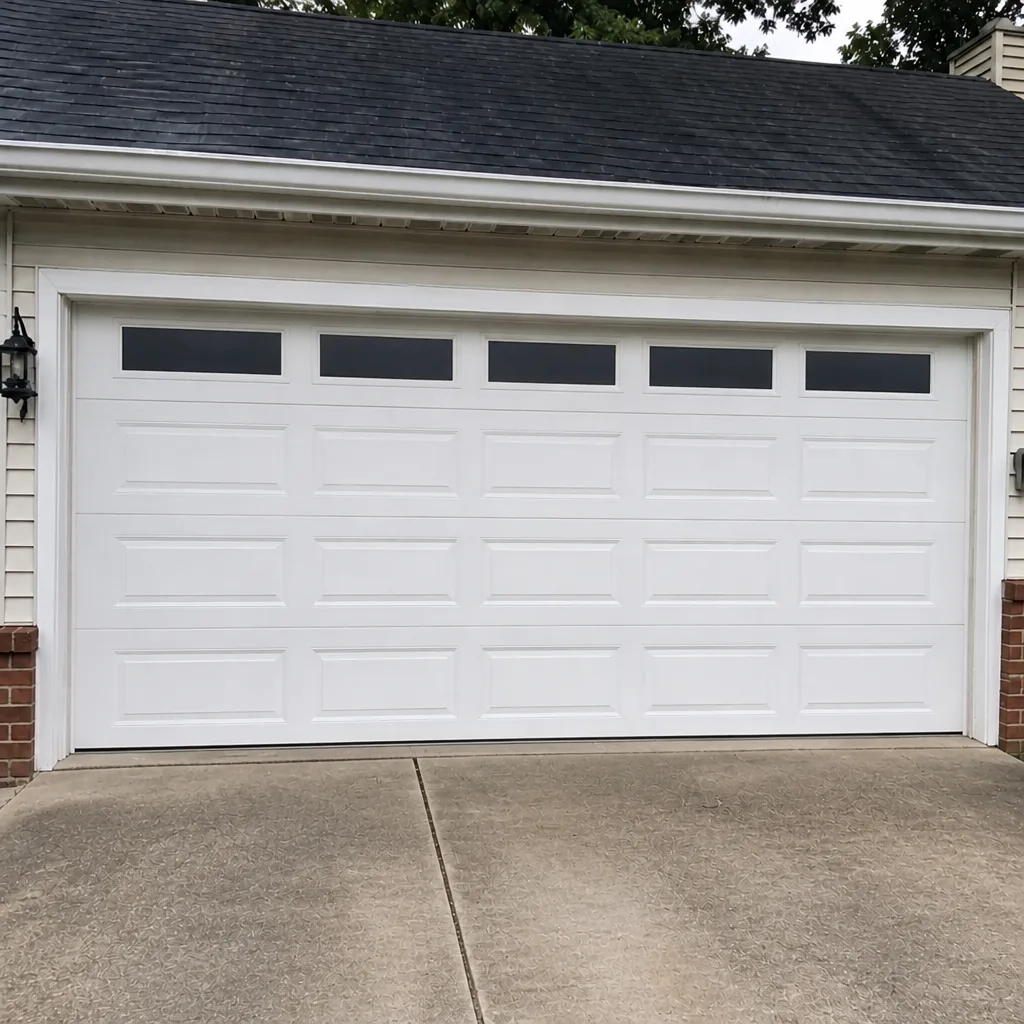 After
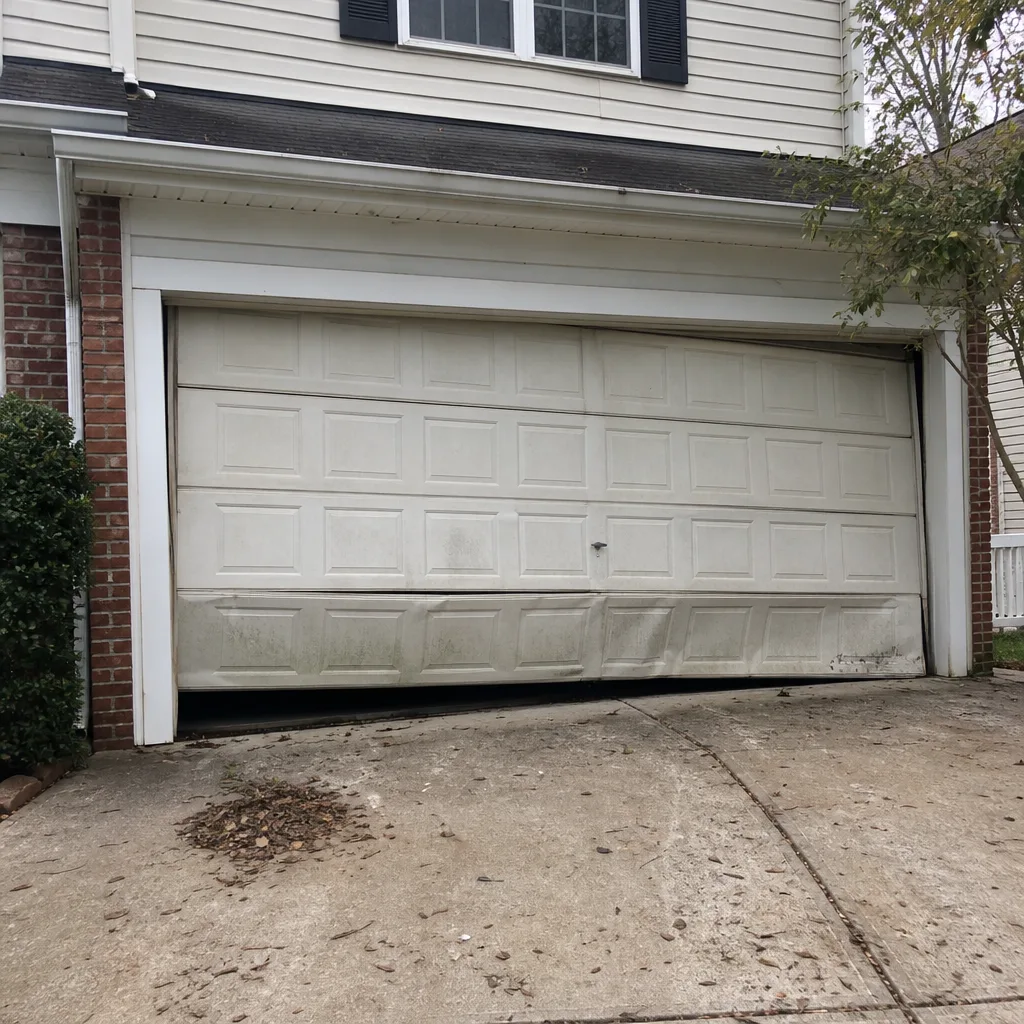 Before
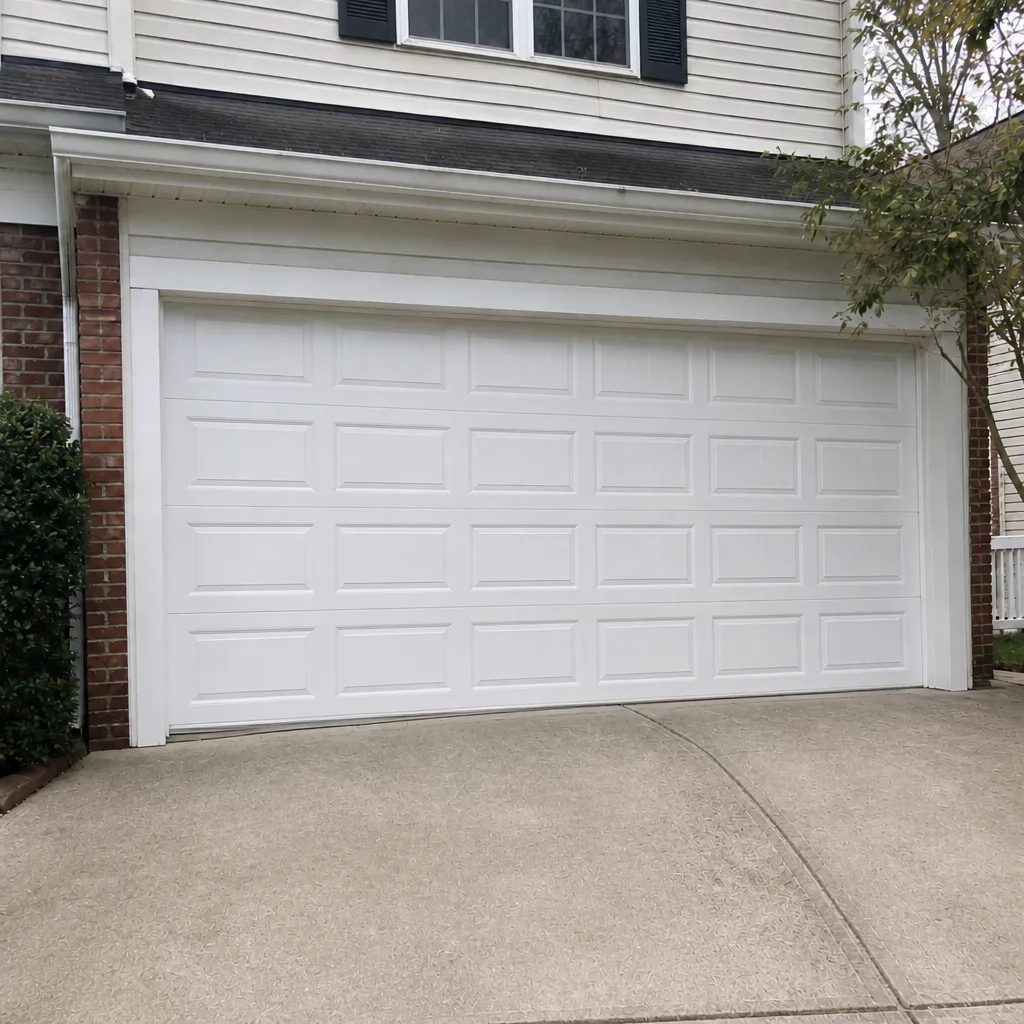 After
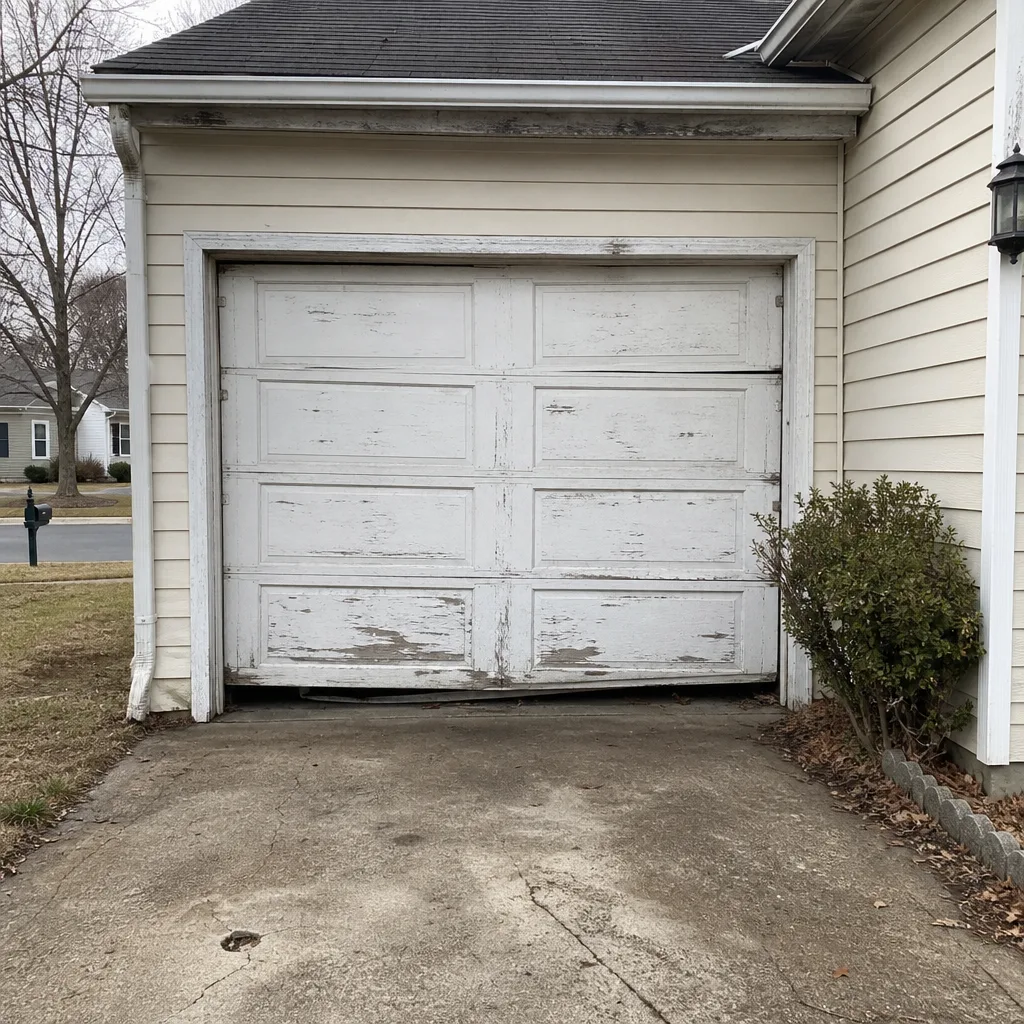 Before
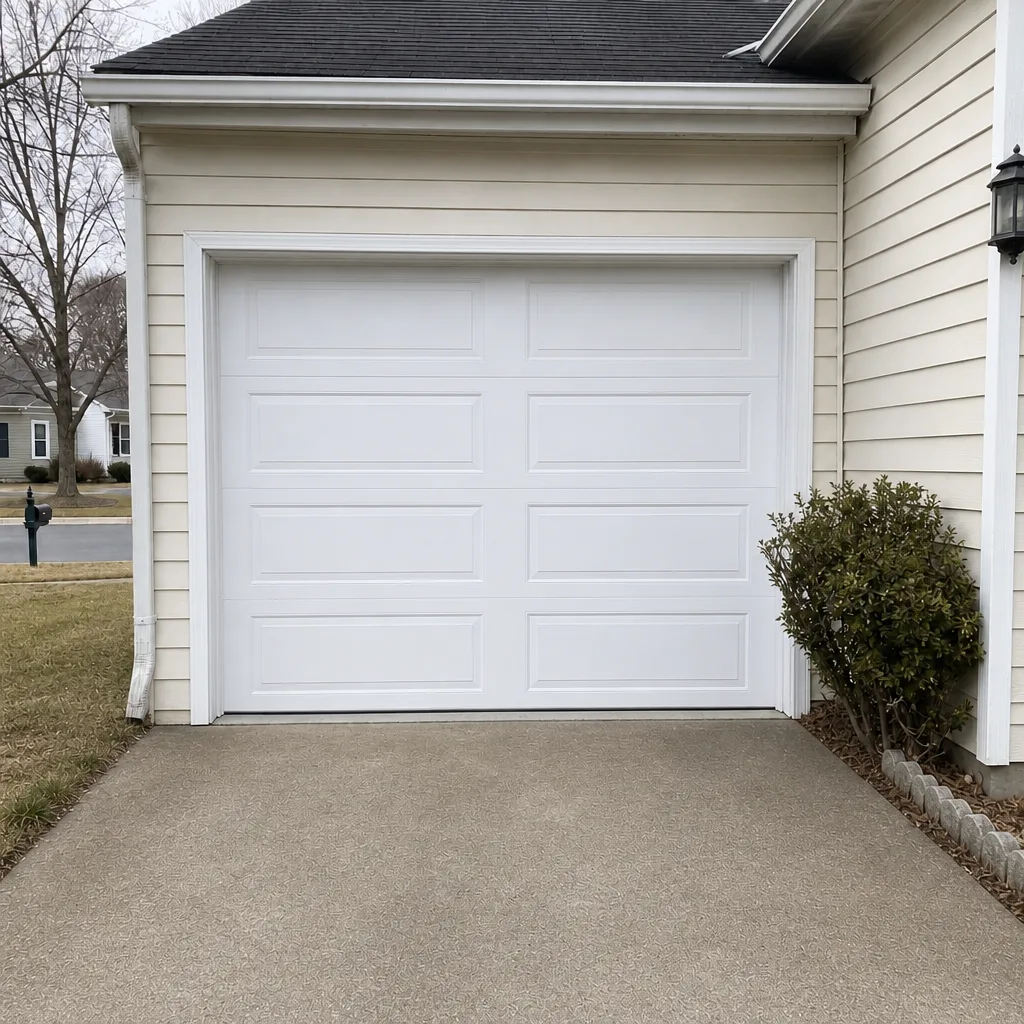 After
When to Call a Professional
A busy Short Pump homeowner can handle the visual checks, the lubrication, and the balance test. That’s where it stops. Call a professional if the balance test shows the door dropping or feeling heavy, if you can see rust striping or a kinked cable, if the auto-reverse fails, or if the door is stuck open, closed, or halfway. Call right away if a car is trapped or the home is left unsecured; emergency garage door service is a standing offering, not a last resort. Short Pump Garage Door Repair Pros handles springs, cables, rollers, openers, and full door systems, works on the brands you already have, and quotes the price before any work starts. Our technicians have up to 9 years of experience. Free estimates in Short Pump. Call (833) 468-5635 for a free estimate.
Frequently Asked Questions
Book a professional tune-up once a year, and do the monthly visual checks in between. Central Virginia’s humidity swings are hard on metal, so a spring check in March and a fall service in September catches nearly everything before it fails. Call (833) 468-5635 for a free estimate.
The springs. Torsion and extension springs carry the door’s weight and wear out before cables or rollers because every cycle adds stress. Cables go second, and rollers and hinges go third. Catching a spring at the balance-test stage is far cheaper than an emergency call.
No, and honestly, please don’t. Torsion and extension springs are under extreme tension at all times and can cause serious injury if handled by someone untrained. This is exactly the repair that needs a specialist. Call (833) 468-5635 for a free estimate.
A straining, slow, or hesitant opener usually points at the door, not the opener. If the door won’t hold its position in the balance test, the springs are likely the issue. If the door balances well but the motor still hesitates, the opener itself may need service. Either way, one visit can sort both. Call for a free estimate.
The door opener brand, what changed and when, and whether the door is stuck open, closed, or halfway. If you can, include the balance-test result and any visible rust or kinked cable. That short description gets a technician to the right fix faster. Call (833) 468-5635 for a free estimate.
Yes. We service the brands homeowners actually have, from LiftMaster and Chamberlain to Genie, Clopay, Amarr, Wayne Dalton, Craftsman, and Raynor, plus both older and smart-connected openers. You don’t need to switch brands to get proper service. Call (833) 468-5635 for a free estimate.
The Bottom Line
Your door’s failures are predictable: springs first, cables second, rollers third, and symptoms that point further up the chain than you’d think. Do the visual checks you can do safely, keep the lubrication light and on schedule, and run the balance and auto-reverse tests monthly. Never touch the springs or cables yourself. Document what you find, use the hand-off checklist when you call, so a service visit starts from a real diagnosis instead of a guess. That single habit is the difference between a planned repair and a 7 a.m. emergency in Short Pump. For the parts that need a trained hand, Short Pump Garage Door Repair Pros is the specialist call: Short Pump Garage Door Repair Pros covers springs, cables, openers, and full door systems. Call (833) 468-5635 for a free estimate.
Written by the team at Short Pump Garage Door Repair Pros.