Last updated November 23, 2026
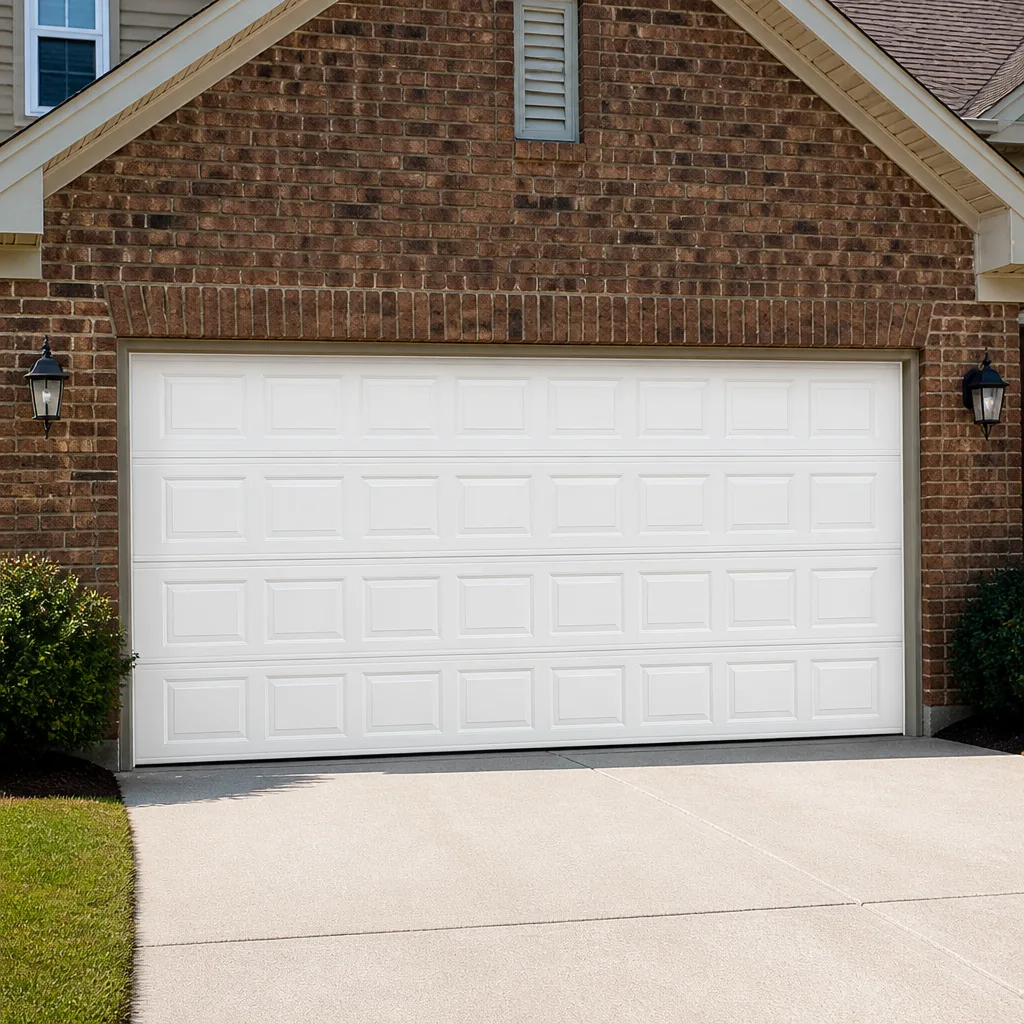 Raised-panel steel
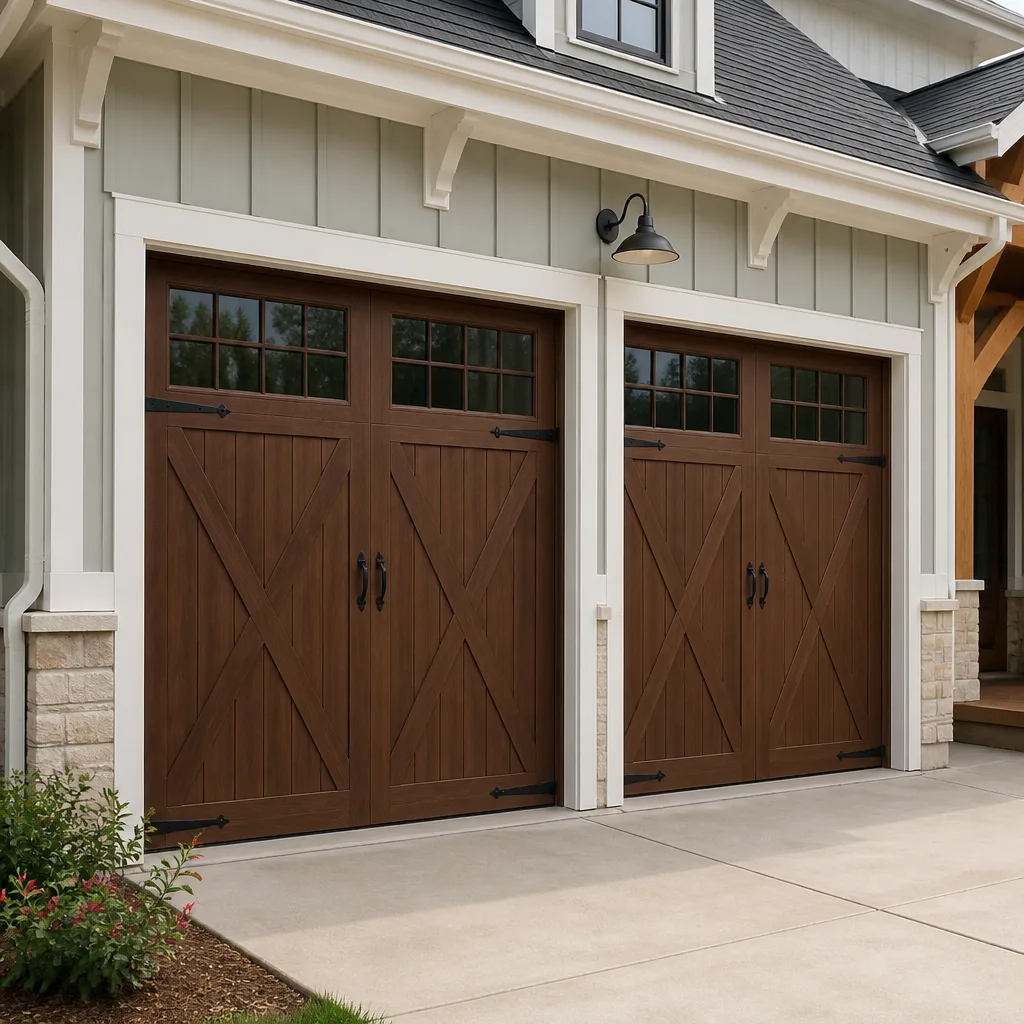 Carriage house
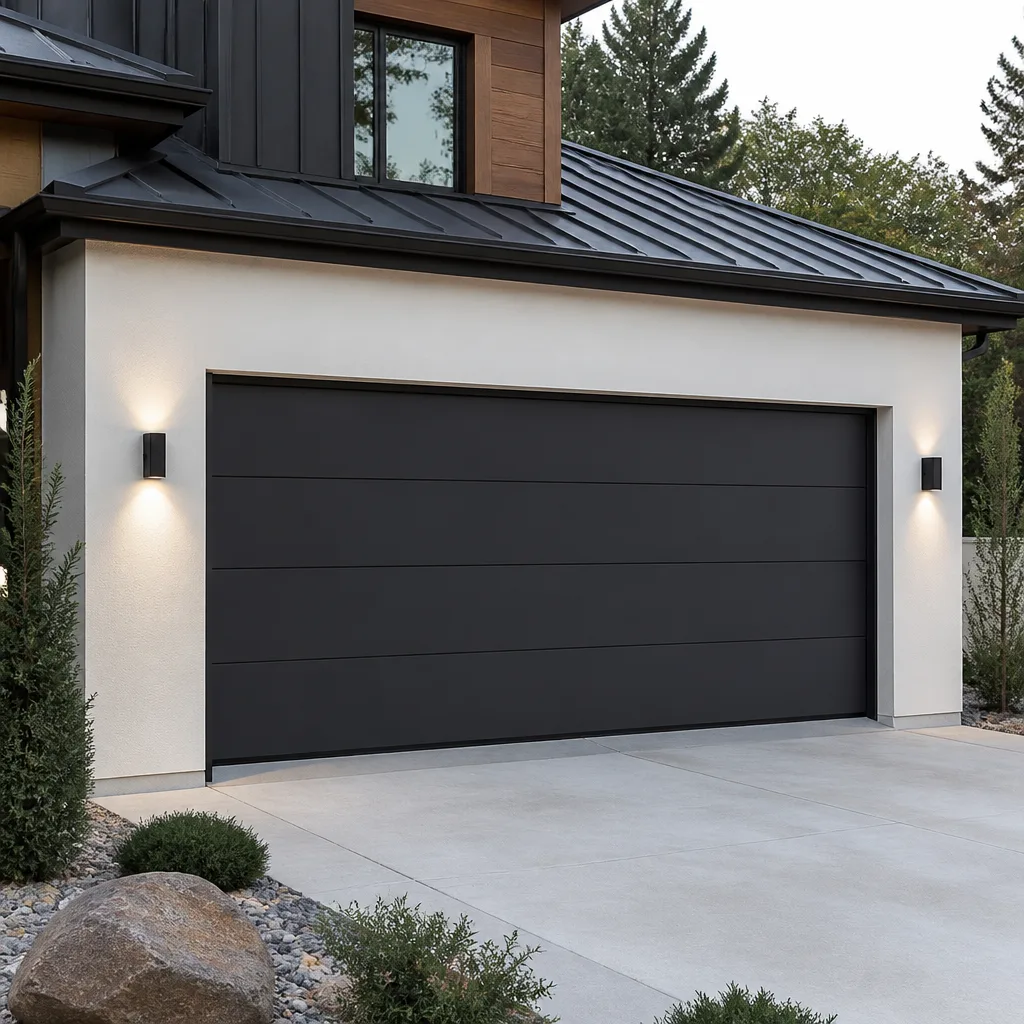 Modern flush
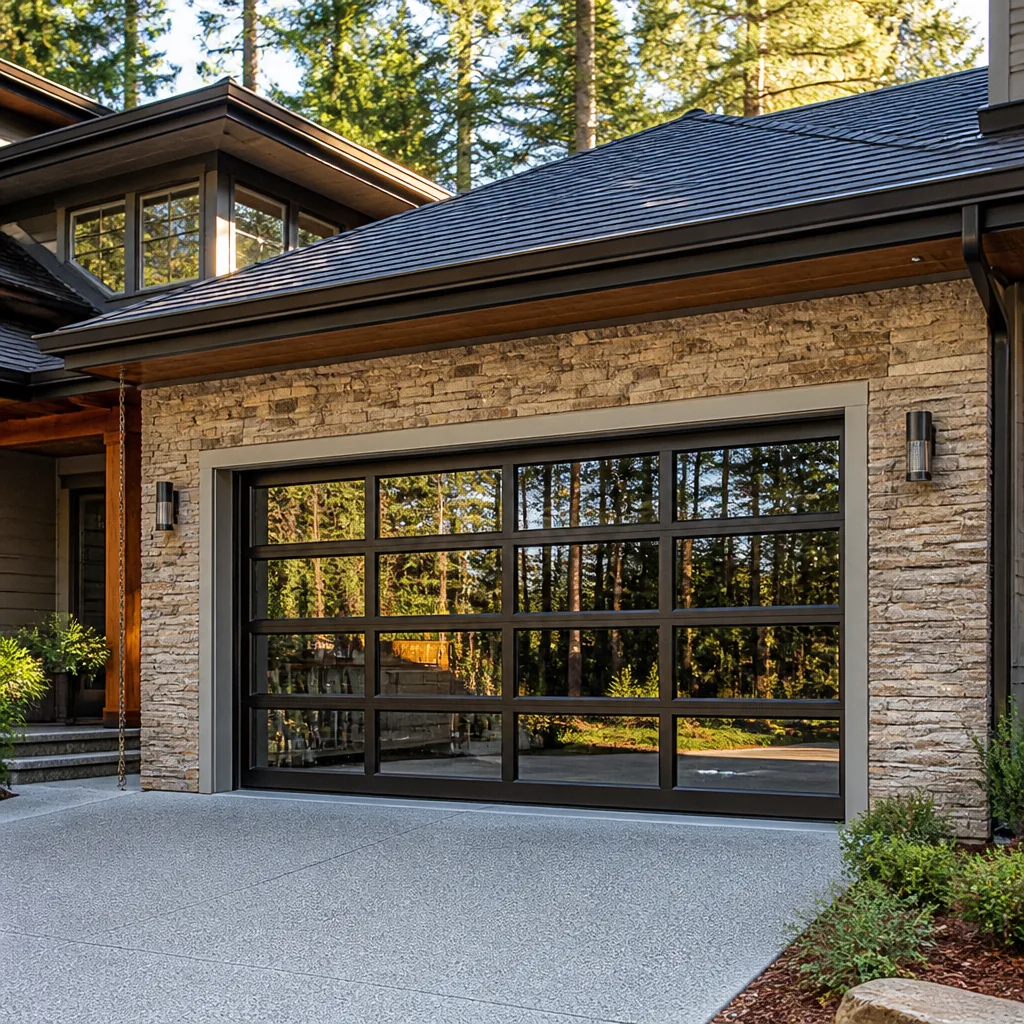 Full-view glass
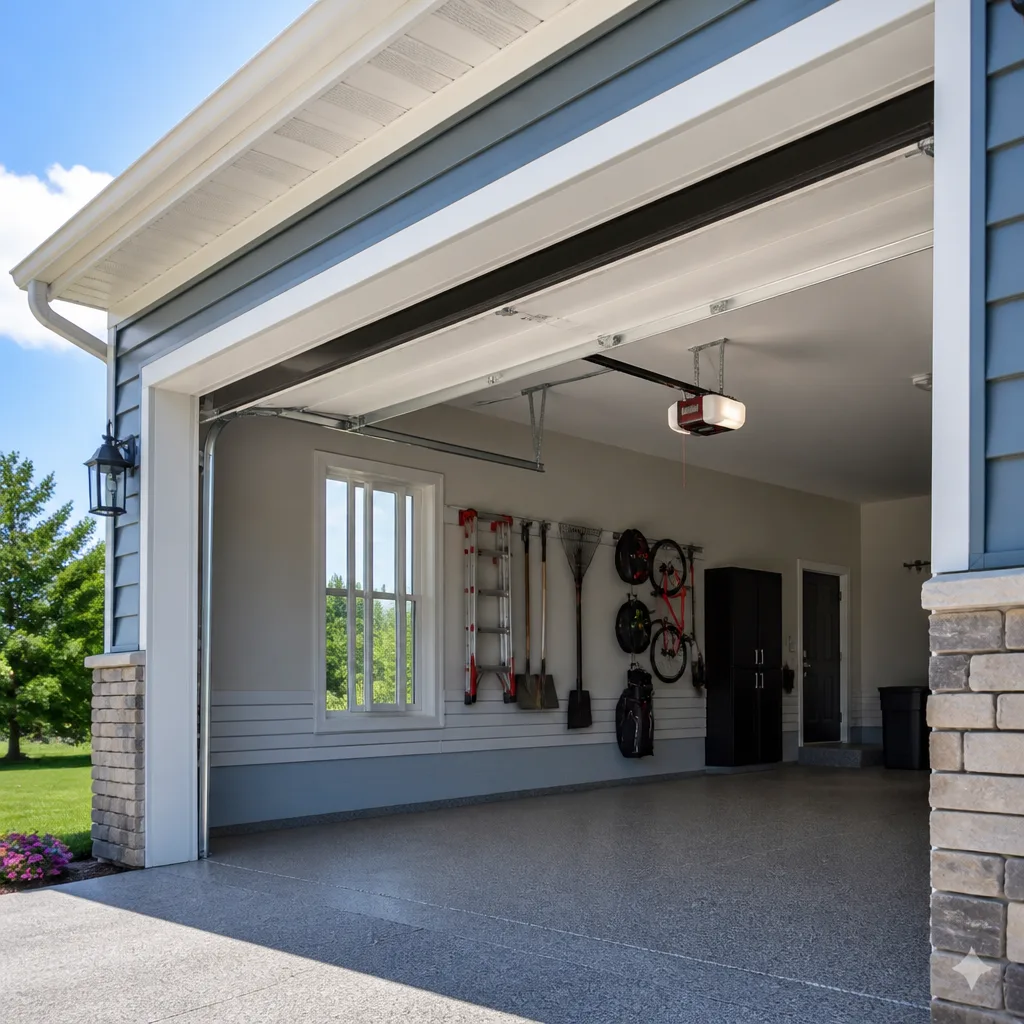 LiftMaster openers
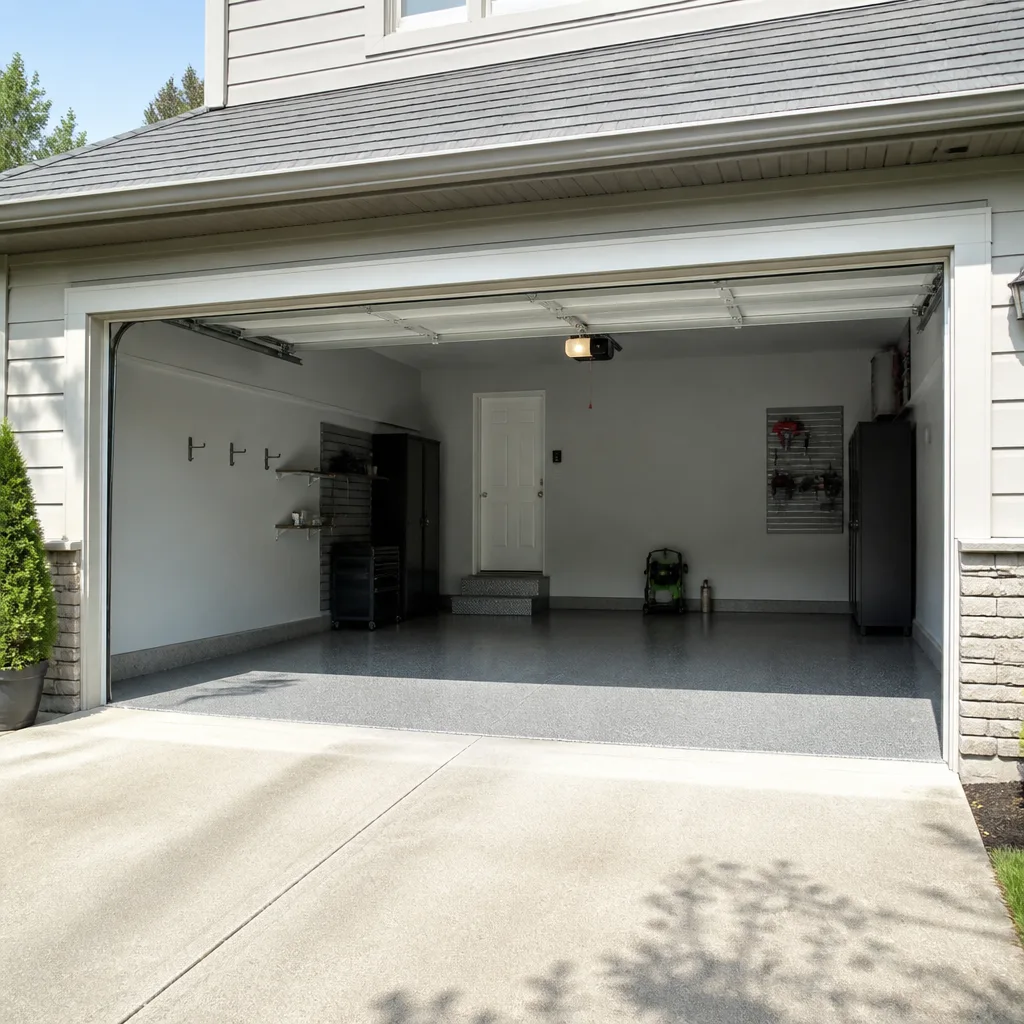 Chamberlain openers
Full 25-point door and opener safety check with every visit - springs, cables, rollers, tracks, and your LiftMaster or Chamberlain opener included
You get a price before we start. It does not change when the pro arrives.
Get your free estimateThe Complete Guide to Garage Doors in Short Pump
Most garage door problems in Short Pump aren’t mysterious. They cluster. The same builder-grade door and opener combos went into the same subdivisions at roughly the same time, and now they’re all aging on the same schedule. A homeowner in one part of Short Pump calls about a strained LiftMaster opener, and a neighbor a few streets over describes the exact same symptom on a door installed the same year. That pattern matters, because it means you can plan for the failure instead of getting surprised by it.
This guide covers what’s actually installed out here, what breaks first, how Henrico County permitting applies, and how the local climate treats steel versus wood versus composite. You’ll finish with a clear decision tree: repair, replace the door, or replace the whole system.
Quick Answer
The garage door problems that dominate Short Pump come from attached two-car garages built mostly between 1995 and 2015, where door and opener hardware is now hitting the end of its useful life. Repair is usually the right call for a single failed component like a spring or opener gear, while a door that’s warped, rusted through, or unbalanced across multiple sections is better replaced. Insulation matters more here than in detached-garage areas because you’re heating and cooling the room directly above.
Styles & brands we work with
- Raised-panel steel
- Carriage house
- Modern flush
- Full-view glass
- LiftMaster openers
- Chamberlain openers
Table of Contents
- How Short Pump’s Housing Stock Shaped Its Garage Doors
- Door and Opener Brands You’ll Find in Short Pump Subdivisions
- What Fails First After 15 to 25 Years
- Henrico County Permits for Doors, Openers, and Framing
- Humidity, Ice Storms, and How They Treat Steel, Wood, and Composite
- Why Insulation R-Value Matters More in Attached Garages
- Repair, Replace the Door, or Replace the Full System?
- Common Mistakes to Avoid
- When to Call a Professional
How Short Pump’s Housing Stock Shaped Its Garage Doors
Short Pump grew fast through the late 1990s and 2000s, and the subdivisions built during that boom settled into a consistent pattern: attached two-car garages, front-facing, with a bedroom or bonus room sitting directly above. That layout is the single most important fact about garage doors in this part of Henrico County, because it changes what “garage door” means for the house. The door isn’t just a barrier for a car; it’s the largest moving wall on the thermal envelope.
The builders who filled those subdivisions weren’t choosing premium door systems. Standard practice was a steel sectional door with a light insulated or uninsulated back, paired with a belt-drive or chain-drive opener sized for a double door. Because so many homes went up in the same window of years, the hardware is now aging together. When one neighbor replaces a spring, three more on the same street tend to follow within a few seasons, not because the springs were defective but because they’ve all cycled the same number of times since installation.
What that means practically:
- Age of the hardware matters more than the name on the door. A well-kept Clopay door from 2003 can still be solid; a neglected one from 2010 may already be warped.
- The above-garage room makes insulation and balance urgent, not cosmetic. A door that drags or seals poorly pulls conditioned air straight out of the living space.
- Front-facing doors in these subdivisions are part of the streetscape, so HOA rules about color and panel style come up more often than they do in older neighborhoods with side-entry garages.
Because the housing stock is so uniform, a technician who understands Short Pump’s build pattern can usually predict what they’ll find before arriving. That’s the advantage of a dedicated trade specialist over a generalist: the diagnosis starts before the door even opens.
Door and Opener Brands You’ll Find in Short Pump Subdivisions
The brands installed in Short Pump homes during the boom years are a fairly narrow set. On the door side, Clopay and Amarr show up repeatedly because both were widely distributed to production builders. On the opener side, LiftMaster, Chamberlain, Genie, and Craftsman dominate, with Raynor and Wayne Dalton doors appearing in certain pockets. We work on the brands you already have, which matters because most homeowners aren’t replacing a working door just to switch manufacturers.
Each of these has known behavior at 15 to 25 years old:
- Clopay steel doors hold up well structurally but often develop bottom-section rust where winter road grime collects, and the hinges at the corners wear loose.
- Amarr doors from that era tend to show panel separation and loosening of the horizontal seams before any structural failure.
- LiftMaster and Chamberlain openers share much of the same platform, and the gear and sprocket assembly is the usual wear point, often announcing itself with a grinding noise under load.
- Genie openers from the same years commonly have logic board failures that present as the door reversing for no apparent reason.
- Craftsman units frequently lose remote pairing after a power surge and need the travel limits reset.
Older systems and newer smart-connected platforms both get serviced the same way: diagnose the actual component rather than assume the whole unit is dead. A homeowner with a 2004 Chamberlain that responds to a command but won’t open fully is usually looking at a travel-limit or force-setting problem, not a dead motor. Getting that distinction right is most of the job.
If you want to go deeper on the opener side specifically, our garage door opener repair page walks through the diagnostic sequence.
What Fails First After 15 to 25 Years
The failure sequence on an aging Short Pump garage door is remarkably predictable. In our experience, springs go before anything else. A torsion spring is rated for a set number of cycles, and a door that’s been opened and closed four times a day for two decades has used up that allowance and then some. The spring doesn’t fail because it was cheap; it fails because it hit its cycle limit.
After springs, the order of wear looks like this:
- Rollers and hinges: the nylon or steel rollers flatten and the hinges wallow out, which makes the door noisy and harder for the opener to lift.
- Cables: fraying and stretching near the drums, often noticed as a door that sits crooked.
- Opener gear and sprocket: the plastic drive gear strips and the motor spins without lifting.
- Weather seal and bottom rubber: cracked and flattened, letting in drafts and water along the floor line.
- Panels and struts: denting, bowing, or rust-through on the bottom section.
The important takeaway is that these failures stack. A homeowner who ignores a noisy opener for a season often ends up replacing a stripped gear and a set of worn rollers at once, because the friction that made it noisy is the same friction that wore the opener out. The spring is the one item where waiting is genuinely dangerous, and we’ll explain why below.
Why spring failure is the one you don’t postpone
Torsion and extension springs store enormous mechanical energy. When one lets go, the result is a hard bang and a door that can drop or rack. This is exactly the repair that needs a specialist. We’re careful about what we tell homeowners here because the risk isn’t theoretical: a person attempting spring work without the right winding bars and the training to use them can be seriously injured. Our garage door spring repair page covers the safe handling approach, and we’re happy to talk it through by phone.
Henrico County Permits for Doors, Openers, and Framing
Permitting gets misunderstood, so here’s the general shape of it. Swapping an opener is typically not a permitted job, because it’s an appliance-level component. Replacing a door in the same opening with the same dimensions is usually a straight replacement, but whether a permit is required depends on the scope of work. Adding a new opening, widening an existing one, or doing framing work around the opening is a structural change and generally requires a permit and an inspection.
We don’t guess at the rules, and neither should you. Henrico County’s building department is the authority on what your specific address needs, and the answer can vary with the age of the structure and the scope. The practical guidance we give homeowners:
- Ask the department directly whether a like-for-like door replacement at your address requires a permit.
- If the project changes the opening size or involves new framing, assume a permit and inspection are part of the job.
- Keep any inspection paperwork with the home records, because it matters at resale.
- Get the written scope before work starts so the permit question is settled upfront, not mid-project.
This is a good moment to mention that we quote and agree on price before any work begins. If a permit changes the scope once you’ve spoken with the county, that gets discussed and priced before installation day, not after.
Humidity, Ice Storms, and How They Treat Steel, Wood, and Composite
Central Virginia’s climate puts garage doors through both humidity and occasional ice storms, and those two stressors hit door materials differently. Summer humidity is the slow, steady force. Ice storms are the event that reveals whether a door system was maintained.
Here’s how the three main materials respond in this region:
- Steel: the most common in Short Pump subdivisions. Modern steel with a factory finish resists humidity well, but any chip or scratch through the paint invites rust, and the bottom section where grime and water collect is the usual trouble spot. Prompt paint touch-up is the cheapest maintenance you can do.
- Wood: beautiful and rare in the newer subdivisions. It needs repainting or resealing on a schedule because humidity cycling swells and shrinks the grain, and ice that freezes into seams can split a panel.
- Composite and insulated steel: the sensible middle ground. They handle humidity without swelling or rusting through, and they don’t need annual refinishing to stay serviceable.
The ice storm risk is about more than material. When freezing rain lands on a metal door, the lifting force it takes to break the door free can stress the opener and the springs. A door that’s already near the end of its spring life doesn’t need much to push it over. After a hard freeze, a door that suddenly sits unevenly or won’t close flush is worth a professional look rather than repeated button pressing.
Why Insulation R-Value Matters More in Attached Garages
In a detached garage, the door is just a door. In Short Pump’s attached garages, it’s one wall of the house, and the room directly above is usually living space. That changes the math on insulation entirely. An uninsulated or poorly insulated door leaks conditioned air along its perimeter and conducts heat straight through the panels, and the room above loses comfort first.
What to think about before choosing an insulated door:
- An insulated door with a higher R-value reduces heat transfer through the panels, which helps the room above hold temperature more evenly.
- The seal and weatherstripping around the door matter as much as the panel insulation. A great door with a tired seal still leaks.
- Insulation adds weight, which is why the opener and spring system need to be sized for the door rather than reused from the old, lighter one.
We’ll be honest that we won’t quote a specific R-value as a promise about your home’s energy use, because the sealed perimeter and the construction above matter too. What we will do is factor door weight and insulation into the opener and spring spec, which is where a lot of replacement projects go wrong when the installer just carries over the old hardware.
Repair, Replace the Door, or Replace the Full System?
This is the question most homeowners actually arrive with. The decision tree is straightforward once you look at the right signals.
Repair the existing door if the structure and panels are sound and the failure is a single component. A broken spring, a stripped opener gear, worn rollers, or a frayed cable are all repair jobs, and they’re the least expensive path. The door is doing its job; one part isn’t. This is the clear answer for a well-kept door with one symptom.
Replace the door only if the panels, struts, or bottom section are structurally gone but the opener and hardware are still in good condition. Signs to replace the door: rust-through on the bottom section, panels that are bent or separated, a door that’s warped so badly it won’t seal, or repeated repair bills on the same panels. When the door goes, the opener usually needs recalibration for the new door’s weight.
Replace the full system, door plus opener and hardware, when the age and condition of both align. This is common in Short Pump’s boom-era homes: a door that’s reached structural decline sitting on an opener from the same year with a gear on borrowed time. Replacing both at once is measured, ordered, and scheduled work rather than an emergency, so there’s time to get the spec right. Single-source convenience matters here, because you don’t want to call one contractor for the door and a second for the opener.
If your situation is a breakdown rather than a planned project, our garage door repair page is the better place to start. If you’re weighing a full replacement, the team at Short Pump Garage Door Repair Pros can work through the decision with you over the phone.
Common Mistakes to Avoid
- Forcing a door that won’t move. Repeatedly hitting the button on a stuck door stresses the opener and can bend panels. Stop and have it looked at.
- Ignoring a noisy opener. Grinding or thumping usually means friction somewhere in the door or a worn gear. Waiting turns a small repair into a bigger one, and that pattern shows up constantly in Short Pump’s older subdivisions.
- Replacing the door without resizing the spring and opener. An insulated door weighs more than the one it replaces. Carrying over the old hardware is a common shortcut that shortens everything’s life.
- Skipping the permit conversation on framing work. Like-for-like swaps are one thing; changing the opening is structural and needs the county’s building department involved. Ask before the job, not after.
- DIY spring work. Torsion and extension springs store energy that can injure a person badly. This is the one repair where the correct call is always a trained technician.
- Chasing the lowest quote on a full replacement. A price that leaves out opener recalibration, hardware, or disposal isn’t a lower price, it’s an incomplete one. Compare written scopes, not numbers on the phone.
- Letting rust spread on the bottom section. The bottom panel takes the most abuse from humidity and road grime. Touching up paint early is cheap; replacing a rusted-through section isn’t.
When to Call a Professional
Call a professional when a spring breaks, when the door hangs crooked, when the opener grinds or reverses on its own, or when any part of the door won’t close flush. Those are the signals that something in the system is under strain, and in the case of springs, the strain can hurt someone. Emergency service is a standing part of what we do, so if a door is trapping a car or leaving the house open, that’s the time to call, not the time to watch a tutorial.
For planned work, a free estimate is the right first step. It lets us diagnose the actual component, walk the repair-replace decision with you, and put the scope and price in writing before any work begins. Short Pump Garage Door Repair Pros offers free estimates in Short Pump. Call (833) 468-5635.
Our technicians have up to 9 years of experience, and they work on the brands you already have installed, so a LiftMaster, Genie, Clopay, Amarr, or Chamberlain system doesn’t need to be swapped out just because the original installer is long gone.
See the difference
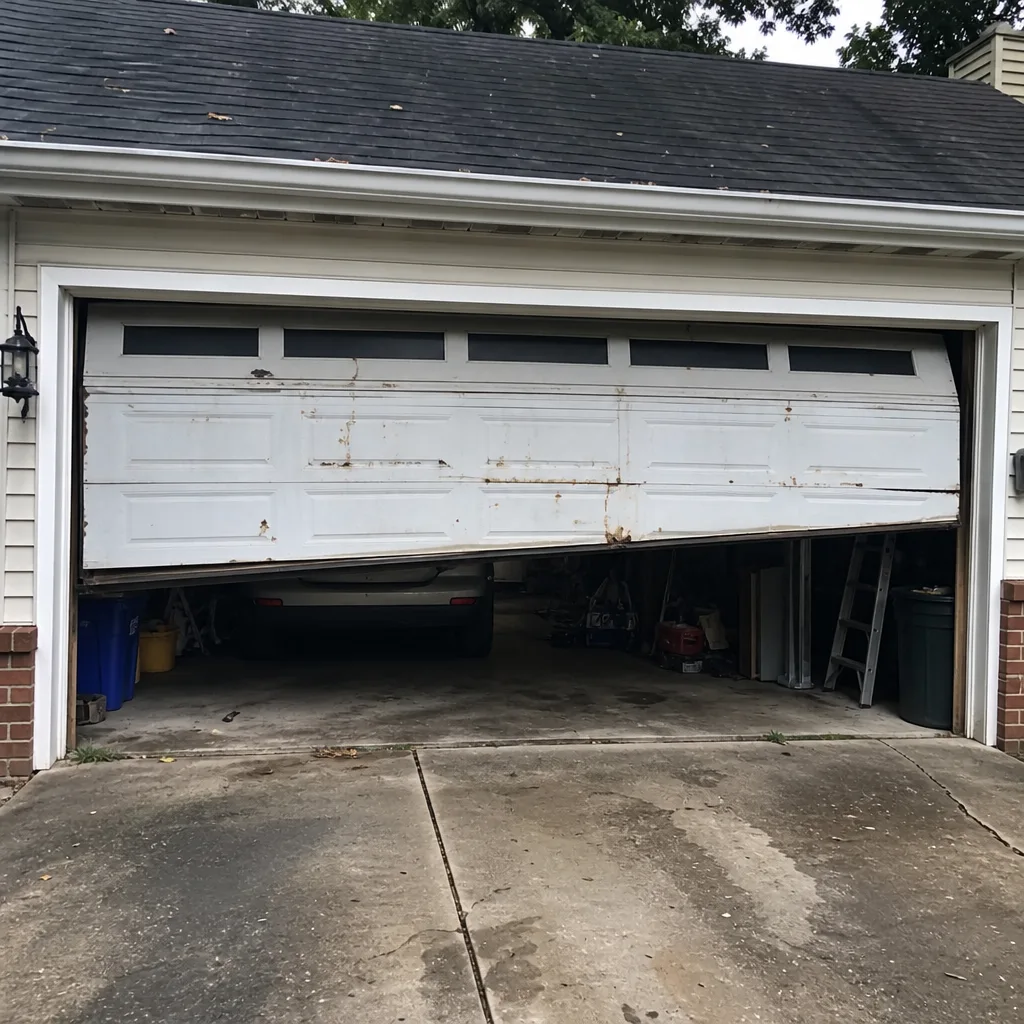 Before
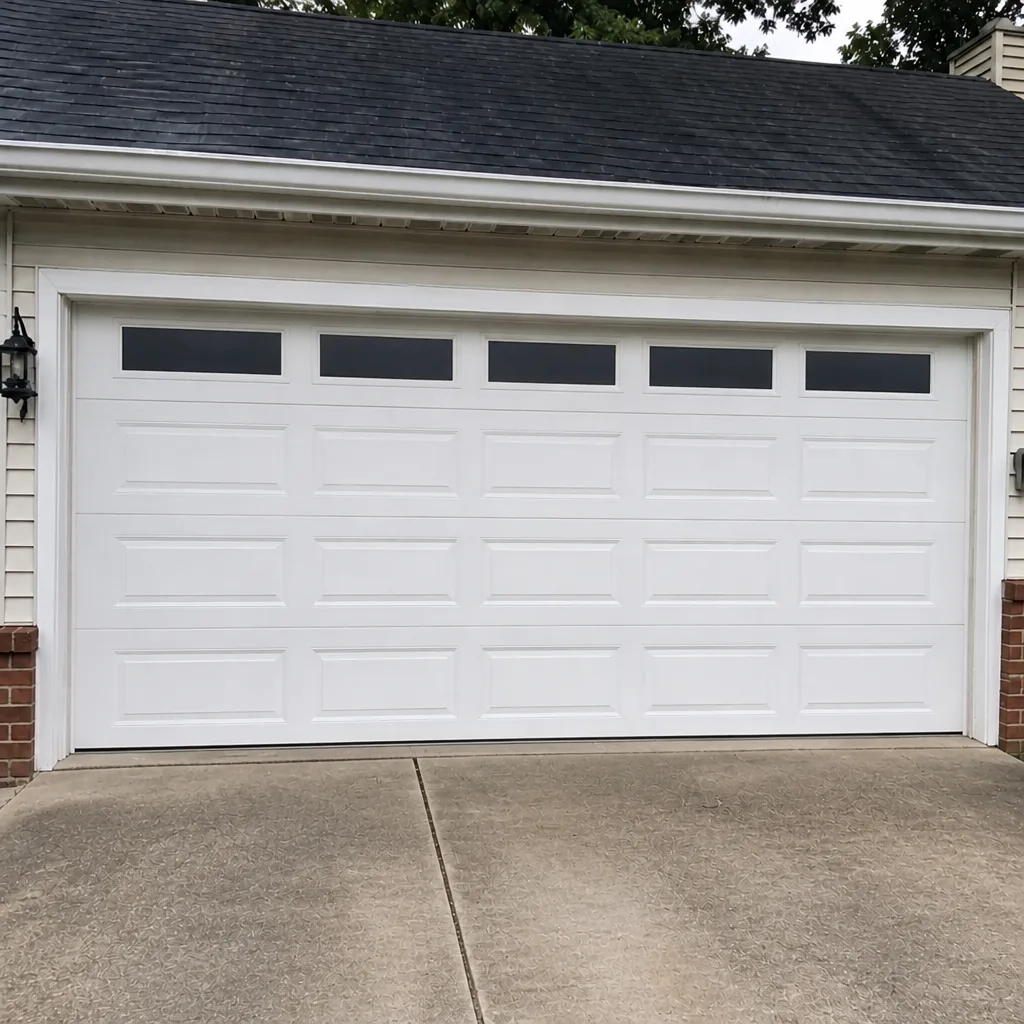 After
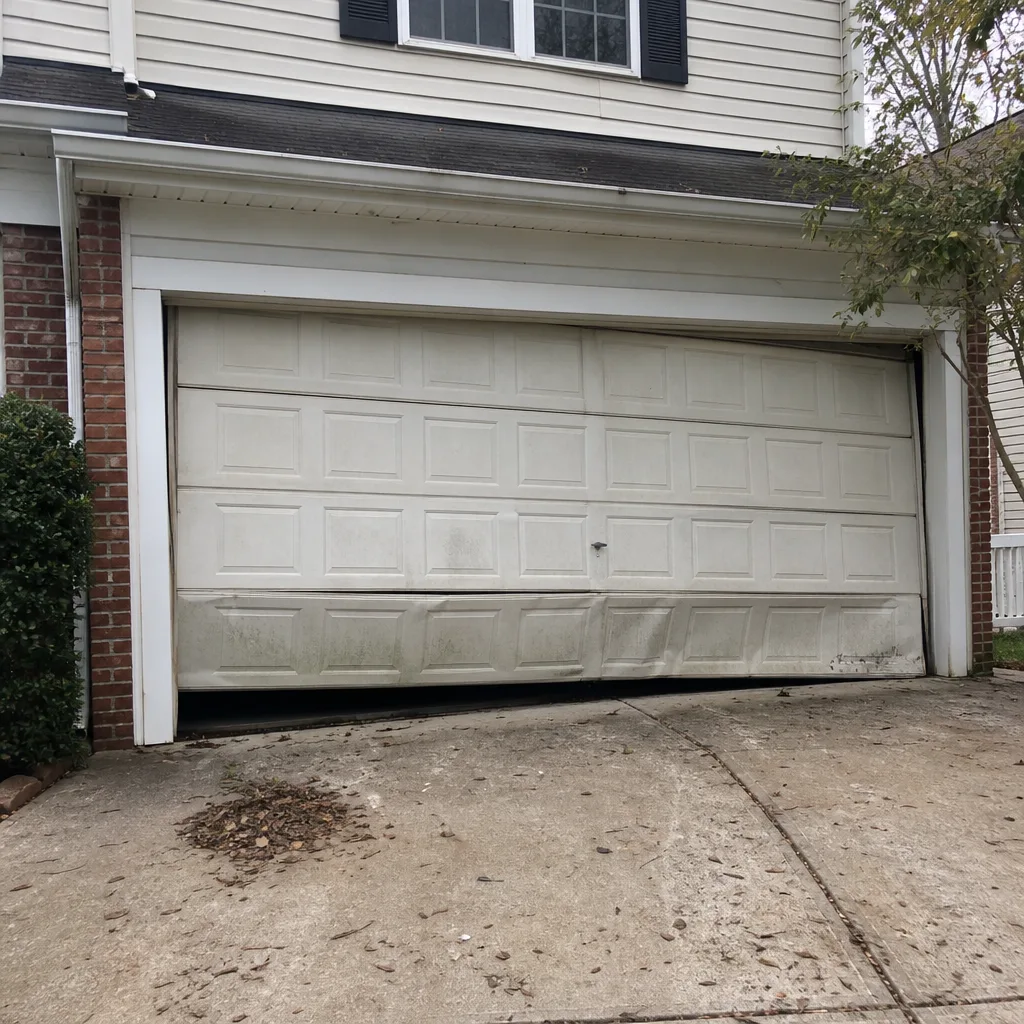 Before
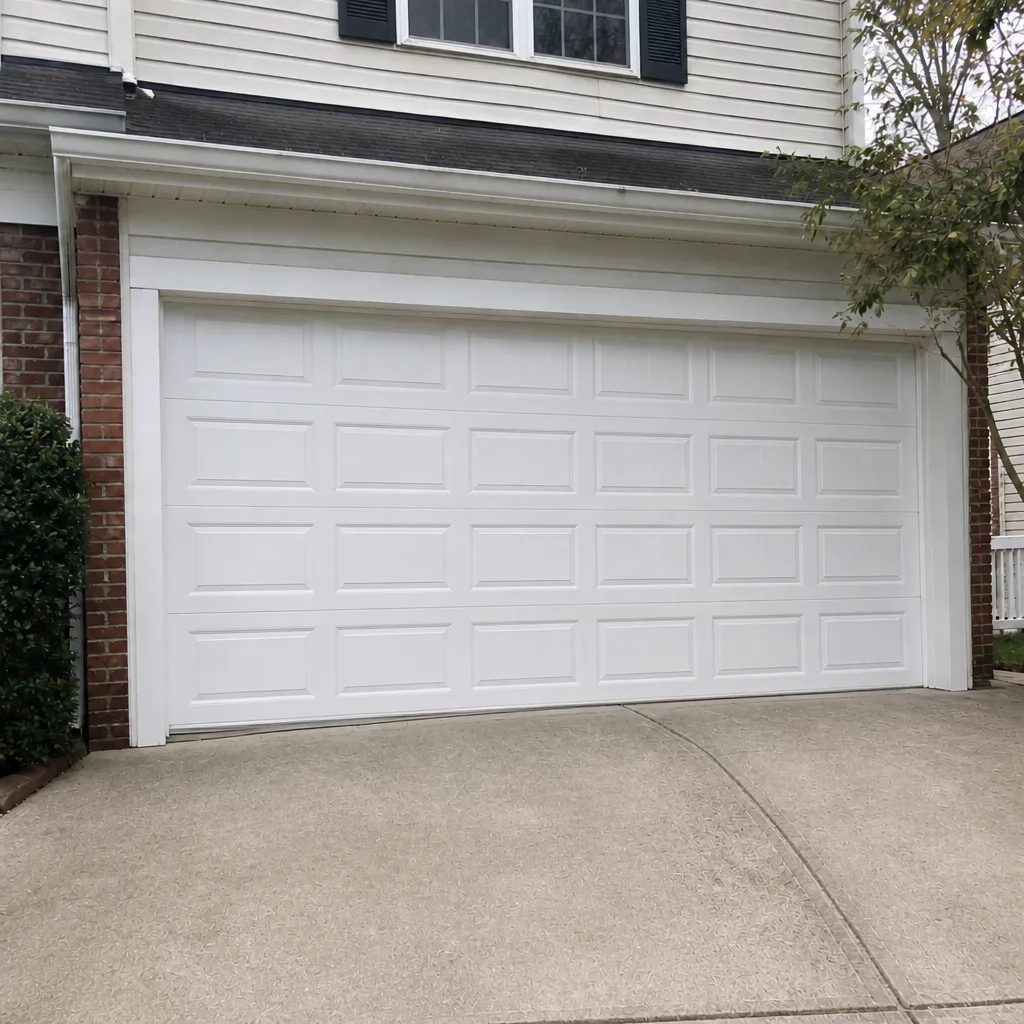 After
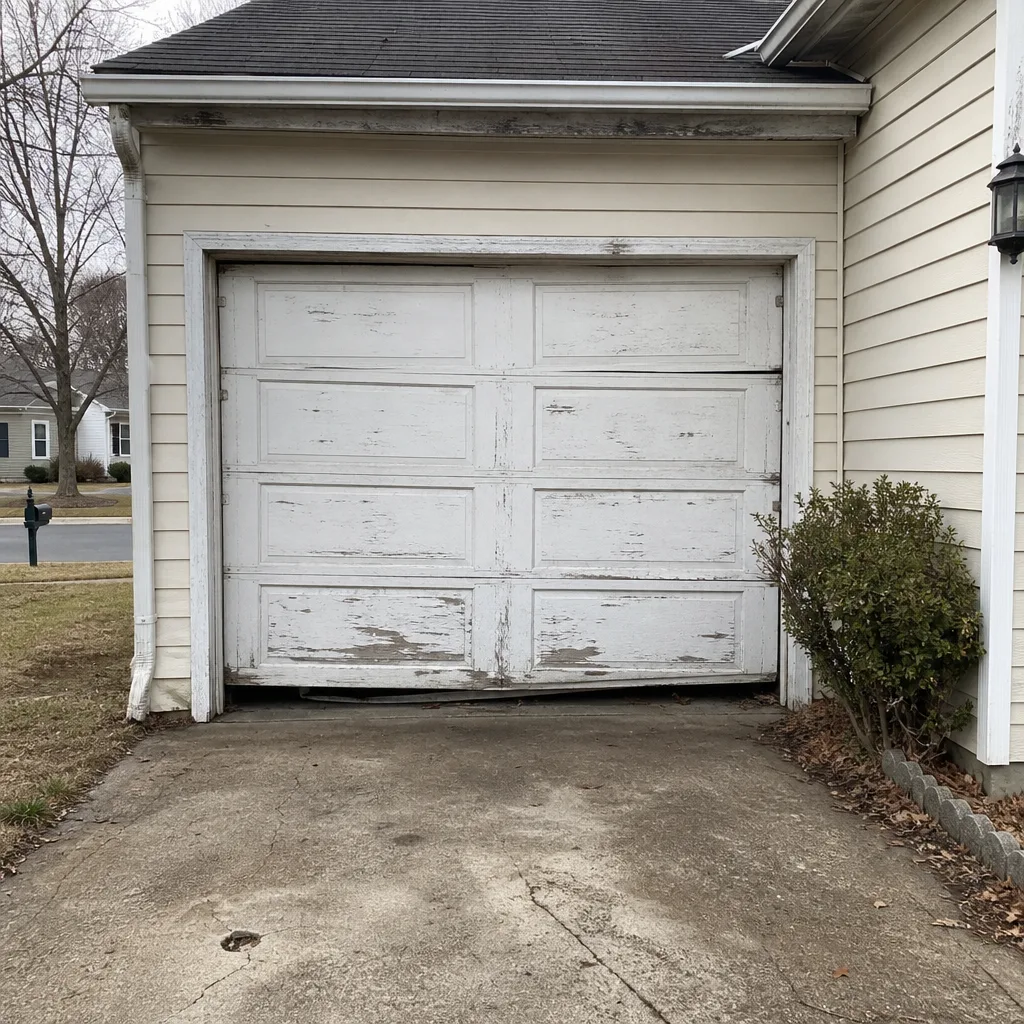 Before
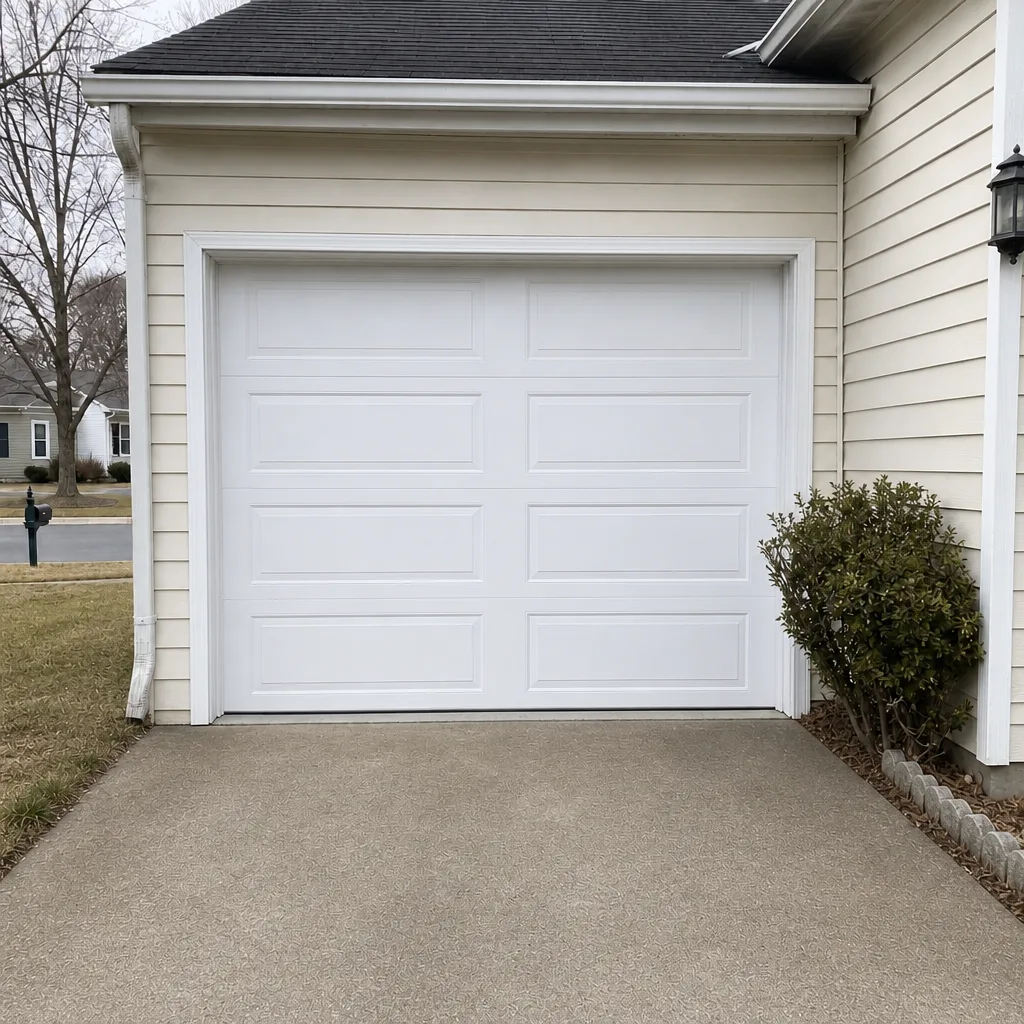 After
Frequently Asked Questions
Typical repair costs in Short Pump range from modest for a single worn component to several hundred dollars for spring work, and the written estimate sets the final price. A general line-item view helps: spring replacement is usually the largest single repair, opener gear or logic board work sits in the middle, and rollers, cables, hinges, and weather seals are the smaller line items. We quote and agree on the price before any work starts, so the invoice matches the estimate you approved. Call (833) 468-5635 for an exact quote; estimates are free.
Yes, same-day service is available for emergency and repair calls, and we dispatch fast, with response hours from 7am to 7pm. A door that’s stuck open, hanging crooked, or trapping a car is exactly the kind of call emergency service is for. Spring failures and opener breakdowns usually get seen the same day we hear about them. Call (833) 468-5635 and tell us what the door is doing so we can bring the right parts.
No, the price you agree to in writing is the price, and any change in scope is discussed and approved before further work. The written estimate is built from what we actually find at the door, not a phone guess. If a permit turns out to be needed for a replacement, or if a repair uncovers an additional worn component, we stop and talk to you before touching it. The quote and agreement happen first. Call (833) 468-5635 to schedule a free estimate.
Yes, the local professional who comes to your home is licensed and insured as Virginia requires, and we stand behind the work with a satisfaction guarantee. We connect you with trained technicians who work on the brands you already own, so there’s no “we only service what we sell” limitation. Spring repair in particular is handled by people trained on torsion and extension systems, not general handymen. Call (833) 468-5635 with any questions about credentials.
Often yes, especially in Short Pump’s boom-era homes where the door and opener were installed the same year and both are at the end of their life. Replacing both together means the opener and springs are sized for the new door’s weight rather than reused, and you deal with one project instead of two. If one is clearly healthy and the other isn’t, repair the failing one and leave the other alone. We’ll help you sort that out honestly.
It depends on the scope: a like-for-like door swap usually differs from a project that changes the opening or involves framing work, and the Henrico County building department is the authority on your specific address. Adding a new opening or doing structural framing generally means a permit and inspection. Ask the department directly before scheduling, and we’ll build the written scope around the answer you get. Call (833) 468-5635 if you want to talk through what your project involves.
The Bottom Line
Short Pump’s garage door problems follow the build pattern of the subdivisions themselves: attached two-car garages with door and opener hardware from the same era now reaching end of life together. Springs fail first, then rollers and opener gears, and the ice storms and humid summers speed the wear. Repair is usually right for a single component; replace the door when it’s structurally gone; replace the full system when both the door and opener are past their prime. Ask Henrico County about permits before any framing work, and never handle springs yourself. When you’re ready for a straight answer on your own door, call (833) 468-5635 for a free estimate.
Written by the team at Short Pump Garage Door Repair Pros.