Last updated November 23, 2026
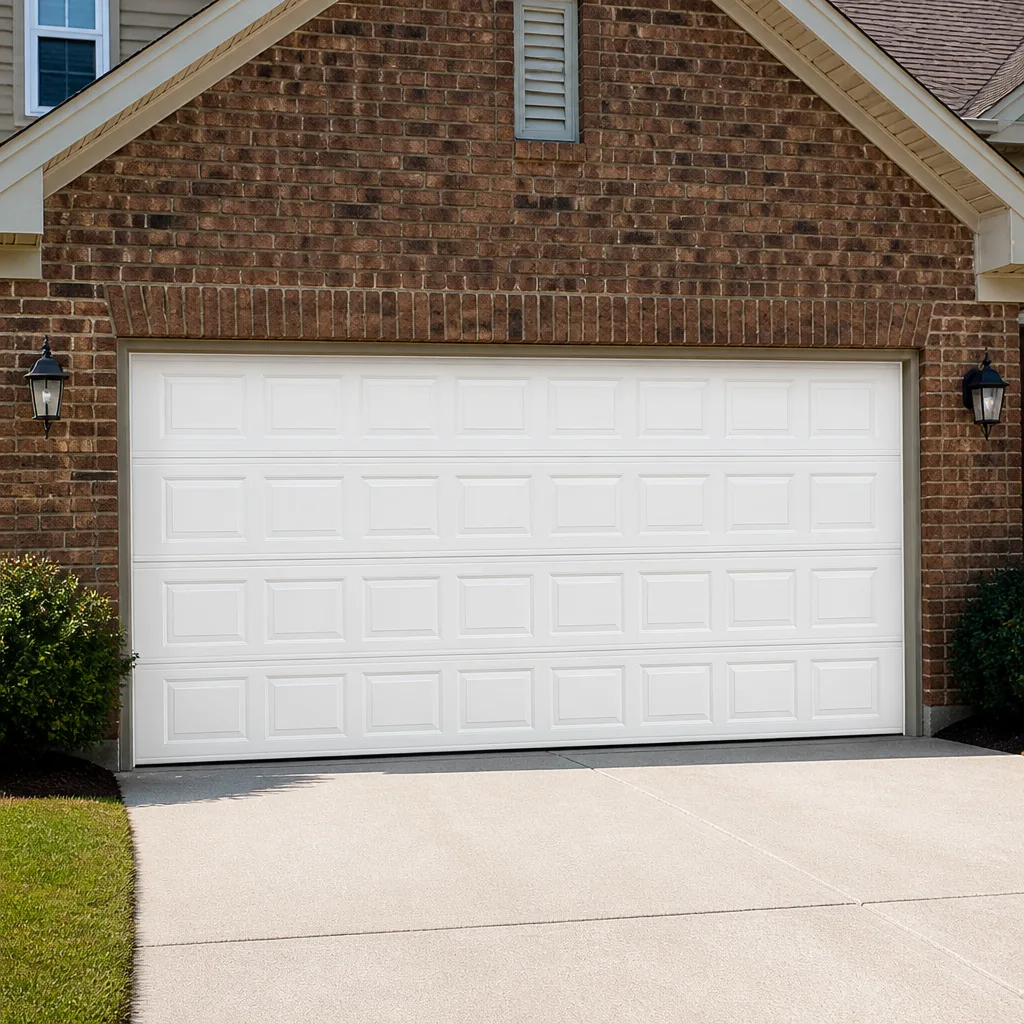 Raised-panel steel
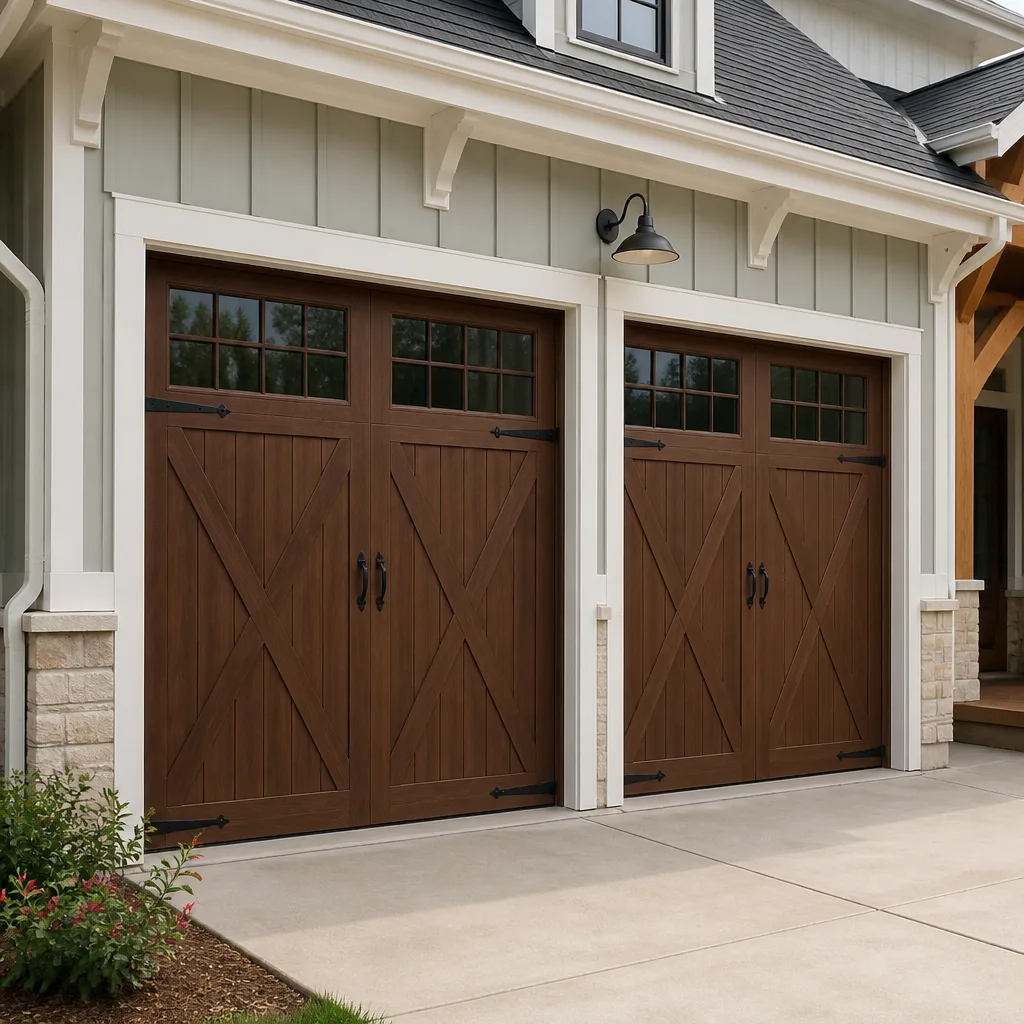 Carriage house
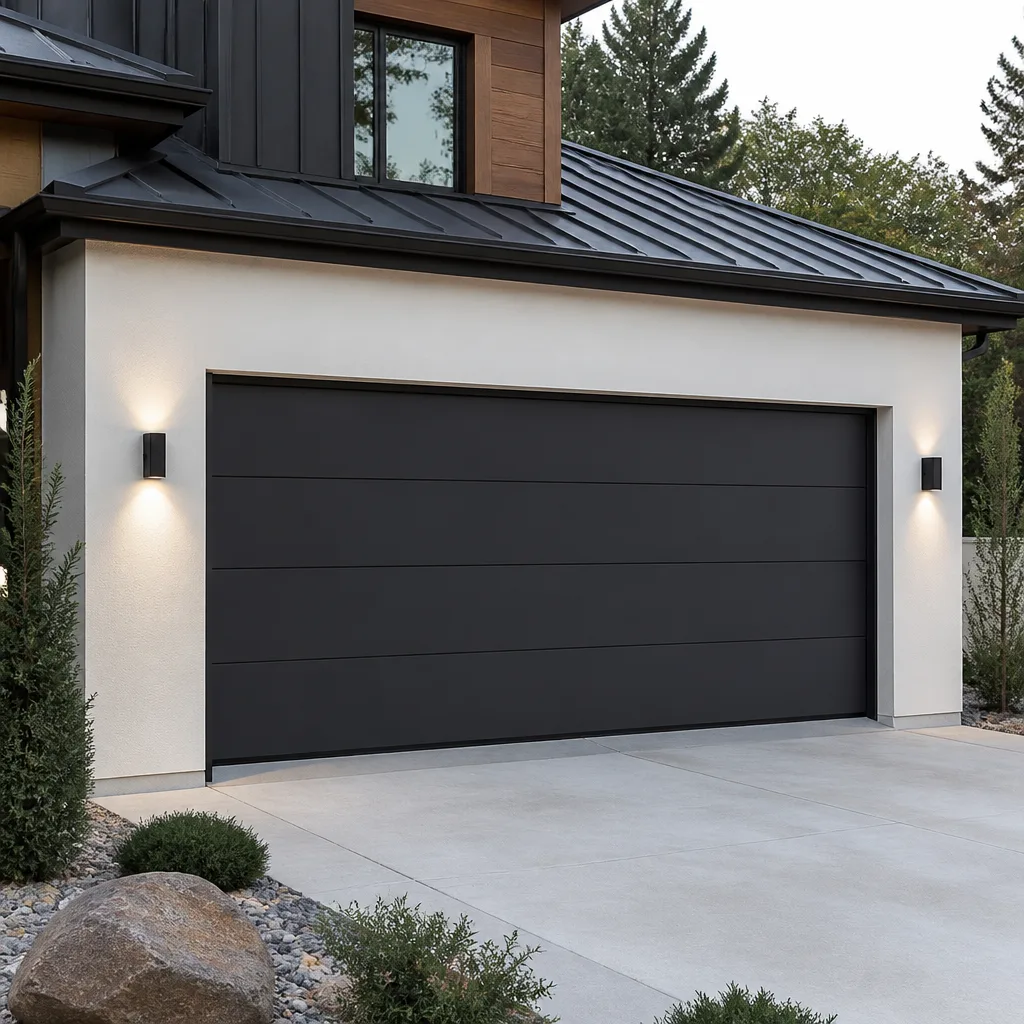 Modern flush
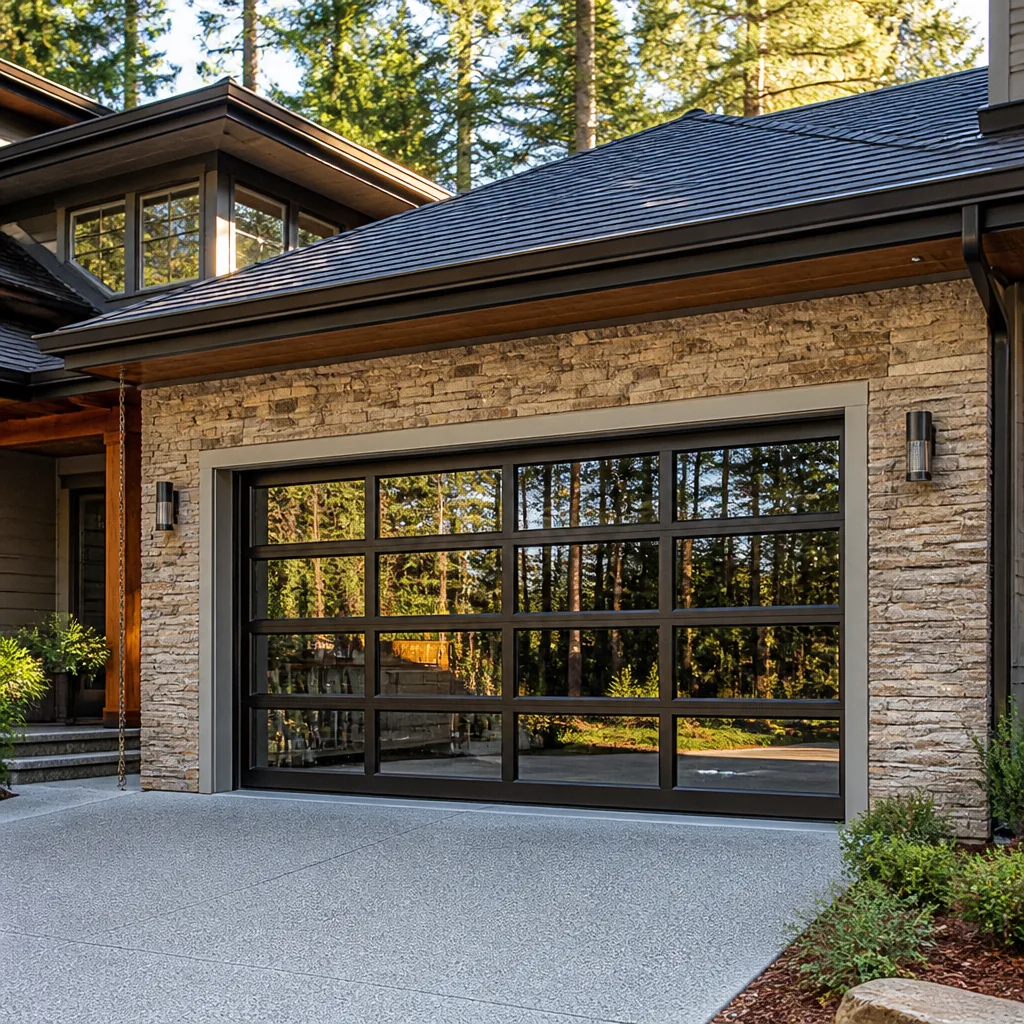 Full-view glass
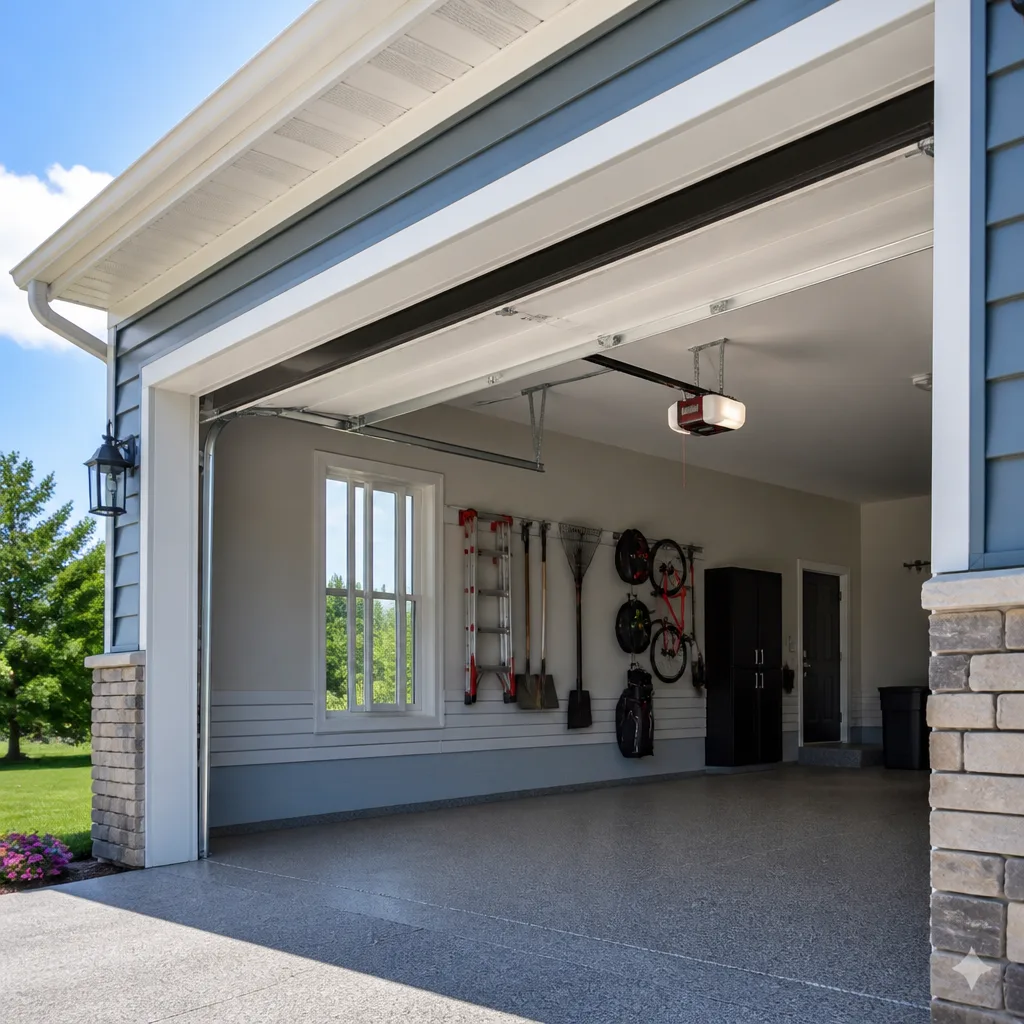 LiftMaster openers
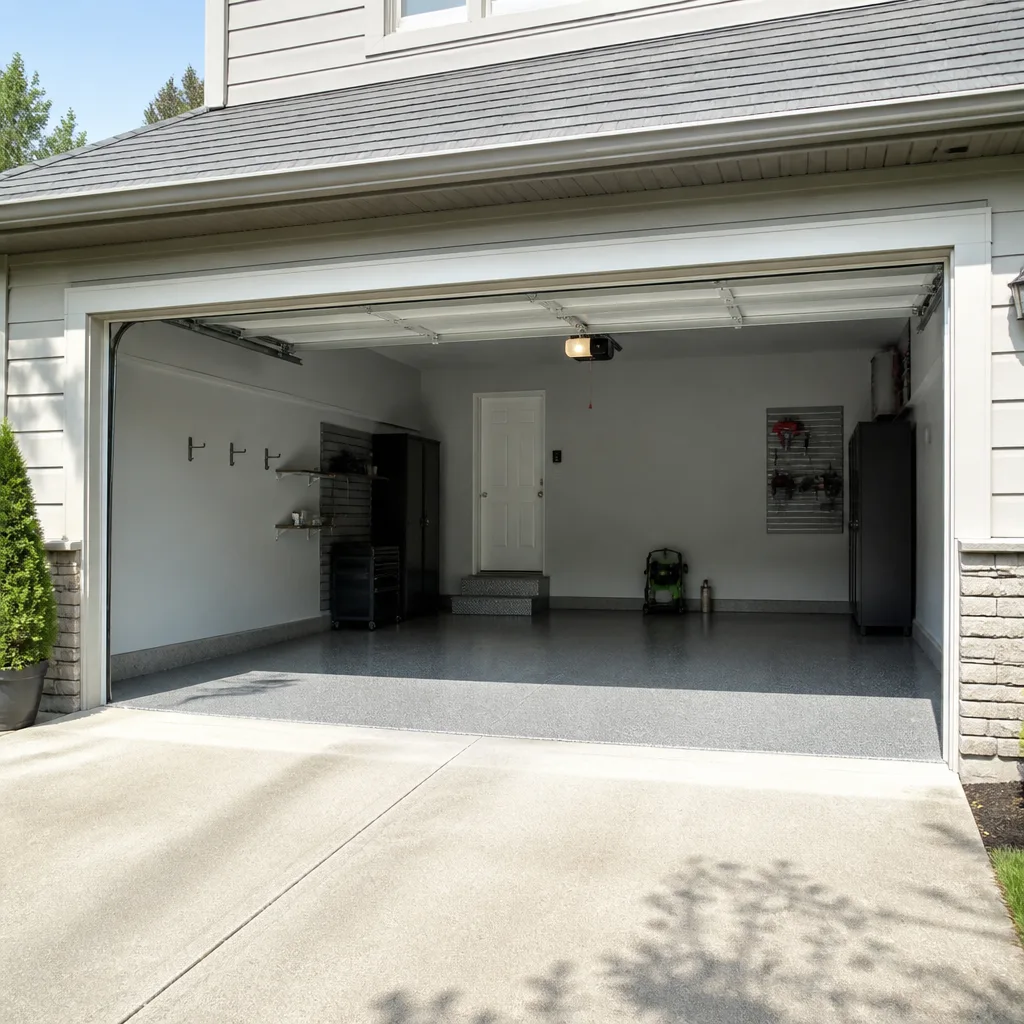 Chamberlain openers
Full 25-point door and opener safety check with every visit - springs, cables, rollers, tracks, and your LiftMaster or Chamberlain opener included
You get a price before we start. It does not change when the pro arrives.
Get your free estimateChoosing the Right Garage Door Brand: A Buyer’s Guide for Short Pump
Walk into any showroom and someone will tell you the brand on the front is the reason to buy. It’s the least useful thing to know. That logo says almost nothing about how a door will hold up after several Virginia summers of heat and humidity. What actually matters is on the spec sheet: steel gauge, the insulation core, and whether a technician nearby can get the bottom bracket and torsion hardware when the door finally needs service. In a Short Pump attached garage, those details decide whether you’re happy in year five. This guide walks through the numbers that separate one door from another, how to read a warranty without getting fooled by the word “lifetime,” and why the brand a subdivision builder installed in the early 2000s isn’t the same product that brand sells today.
Quick Answer
No single garage door brand is “best” for Short Pump. The right choice comes down to matching door construction – steel gauge, insulation type and R-value, wind rating, and panel profile – to an attached garage that faces Virginia heat and humidity. Then pick a brand with parts that local technicians can actually get, so future repairs stay fast and affordable. A well-spec’d mid-line door from a brand with regional distribution will outperform a top-name door nobody nearby can service.
Styles & brands we work with
- Raised-panel steel
- Carriage house
- Modern flush
- Full-view glass
- LiftMaster openers
- Chamberlain openers
Table of Contents
- The five spec-sheet numbers that actually matter
- Insulation type: polyurethane vs. polystyrene
- Local parts availability: the reality check
- How to read a garage door warranty honestly
- Builder-grade vs. residential replacement grade
- Pairing your door brand with your opener brand
- What a Short Pump attached garage does to a door
- Common mistakes to avoid
- Frequently asked questions
The Five Spec-Sheet Numbers That Actually Differentiate a Garage Door
Most garage door marketing is emotional. The engineering is in five numbers, and you can compare any two doors with them. Here’s what each one means for a home in Short Pump.
- Steel gauge. Lower numbers mean thicker steel, and thicker steel means a door that resists dents and holds its panel shape longer. A 24-gauge door and a 27-gauge door look identical on the showroom floor but behave very differently after a bicycle handlebar or a stray basketball hits them.
- Insulation R-value. This measures how well the door resists heat transfer. For an attached garage in central Virginia, where the garage shares a wall with living space, a higher R-value keeps summer heat out of the rooms above and beside the garage.
- Insulation type. Polyurethane and polystyrene are the two choices, and they are not the same product. More on that below.
- Wind load rating. Rated in miles per hour, this tells you the door was engineered to hold up under wind pressure. Not every residential door is rated at all. Ask for the number rather than assuming.
- Panel profile depth. The raised-panel style and how deep those panels sit affects both the look of the door and its stiffness. A deeper profile adds visual weight to the face of the house, but shallow embossed panels are easier to clean and less prone to collecting pollen and grit in the recesses.
When you compare a Clopay door against a store-brand product, ask for all five. A brand name with weak numbers is a logo. A lesser-known brand with strong numbers is a better door. We’ve seen both in Short Pump garages, and the spec sheet has never lied.
Insulation Type: Polyurethane vs. Polystyrene
Polyurethane foam insulation delivers a higher R-value per inch than polystyrene, and it bonds tightly to the steel skin. Polystyrene is a bead board or a molded panel that sits inside the door frame. Both insulate. They age differently.
Polyurethane holds its structure and resists moisture better over time, which matters in a climate with humid summers. Polystyrene is lighter and typically less expensive, and it performs fine in an unheated or detached garage where you’re mostly after sound dampening and a bit of thermal separation. The choice isn’t about which is “better” in the abstract. It’s about which fits how you use the garage.
- Choose polyurethane if the garage is attached, shares walls with living space, sits under a bedroom, or is used as a workshop or gym where temperature stability matters.
- Choose polystyrene if the garage is detached, unheated, and you mainly want the door to feel solid and cut down on street noise.
- Skip insulation entirely if the door is on an unheated outbuilding used only for storage – you’ll save money and lose little.
Note that insulation isn’t just comfort. An insulated door also stiffens the panel and reduces the flex that leads to stress on hinges and rollers. In a Short Pump attached garage, that structural benefit alone often justifies the upgrade.
Local Parts Availability: The Reality Check Most Buyers Skip
Here’s the part of the decision nobody puts on a brochure. Every garage door eventually needs a bottom bracket, a hinge, a roller, a torsion spring, or a section replaced. Whether that part is three days away or three months away depends on regional distributor inventory, not on the brand’s reputation nationally.
This is where the brand a Short Pump homeowner chooses has real, practical weight. A door from a brand with a distributor within reasonable driving distance means a technician can get the correct part quickly and get you back to normal. A door from an obscure import with no regional supply chain can stall a simple repair for weeks.
In our experience, the brands with the strongest distribution in this part of Virginia are the well-established names – Clopay, Amarr, Wayne Dalton, and Raynor among door makers, and LiftMaster, Chamberlain, Genie, and Craftsman on the opener side. That’s also why technicians who work in Short Pump every week rarely have to say “we don’t work on that brand.” The products homeowners already have installed are the products we know.
Before you buy, ask the seller one direct question: “If my bottom bracket fails, how fast can a technician get the replacement?” A good answer names a distributor. A bad answer changes the subject.
How to Read a Garage Door Warranty Honestly
“Lifetime warranty” is one of the most misunderstood phrases in home improvement. It rarely covers the whole door, and it almost never covers the parts that fail first. Read the fine print and separate what’s covered from what isn’t.
What a typical residential door warranty is likely to cover:
- Section delamination – the steel skin separating from the insulation core – usually for a defined period.
- Defects in the paint or finish, for a shorter window than the structural coverage.
- The hardware components as a group, often for a defined number of years.
What it’s likely to exclude:
- Springs and cables. These are wear items and are almost always excluded or covered by a much shorter separate warranty.
- Finish fading or chalking from sun exposure, which is common on a south- or west-facing door.
- Damage from impact, wind over the rated load, or improper installation.
- Labor. The warranty covers the part, not the visit to install it.
Ask two more questions before you commit. First, who honors the claim – the manufacturer directly or a dealer? Some brands let you file directly and ship the part; others route everything through an authorized dealer, which adds friction and time. Second, does the warranty survive a change of homeowner? A transferable warranty is worth more at resale. When a door in a Short Pump home finally needs service, the warranty’s real test is whether the claim gets honored without a fight.
Builder-Grade vs. Residential Replacement Grade: The Same Brand, Different Product
A lot of Short Pump homes have doors installed by subdivision builders in the early 2000s. Many of those doors carry a familiar brand name on the bottom corner. If you’re replacing one, don’t assume the brand’s current residential line is the same product. It usually isn’t.
Builder-grade doors are engineered to a price point for a production schedule. That often means thinner steel, a lighter insulation core or none at all, and a basic hardware package sized to the minimum. A builder buying hundreds of doors has different priorities than a homeowner who’ll live behind that door for the next twenty years.
When you compare the builder door on your house to the same brand’s current residential replacement lineup, watch for these differences:
- Steel gauge. The replacement door is often thicker and holds up better to the daily cycle of openings and closings.
- Insulation. A builder door may have none or a thin core; a residential insulated line will spec a real R-value.
- Hardware. Higher-cycle hinges and rollers are common on residential lines and absent on builder doors.
- Wind rating. Replacement lines more often publish a rated wind load; builder doors sometimes don’t.
The lesson: judge the specific model, not the brand. A reputable brand’s residential line is a different animal from what went up in your subdivision two decades ago.
Pairing Your Door Brand With Your Opener Brand
A garage door and its opener are two separate systems that have to work together. The door is the heavy mechanical part; the opener is the motor and control electronics. Most major opener brands work with most door brands, but the pairing still matters for two reasons: safety sensors and lifting capacity.
The openers you’ll most often see paired with residential doors from the established door brands are LiftMaster, Chamberlain, Genie, and the older Craftsman units still running in many garages. All of these integrate cleanly with standard residential doors when the door’s weight and balance are set up correctly for the opener’s rated lifting capacity.
Where things get complicated is with proprietary compatibility. Some openers use brand-specific remotes, wall controls, and safety sensor wiring that don’t play well with third-party accessories. A smart-connected opener is great until you want to add a universal accessory and discover the connection is locked to one brand’s ecosystem. When you choose a door, ask the seller which openers the door is typically paired with, and whether the opener you currently own can handle the door’s weight and size. If you’re upgrading to a newer smart-connected opener, it’s worth understanding how it will talk to the rest of your home before you buy.
Because we work on the door and the opener as one system, this is where a single provider helps. garage door opener repair and door replacement don’t need to involve two different contractors. One call covers the door and the opener, and a technician who knows both doesn’t leave you guessing which component is the real problem.
What a Short Pump Attached Garage Does to a Door
Central Virginia gives a garage door a workout: hot, humid summers, occasional heavy storms, and winters cold enough to cycle the mechanism constantly. An attached garage in Short Pump shares walls and often a ceiling with conditioned living space, so the door is part of the building’s thermal envelope whether you think of it that way or not.
That has practical consequences for brand and model selection:
- Humidity drives the finish. Over a Virginia summer, a door that isn’t well painted will absorb moisture at the bottom edge and start to show it. A quality finish and sound steel gauge both matter more here than in a dry climate.
- Heat cycles the springs. The constant expansion and contraction of the torsion spring system, combined with daily use, is what eventually wears it down. This is why springs are a wear item and why they should be serviced by a trained technician rather than handled as a weekend project.
- The thermal envelope matters. A door that isn’t insulated lets heat pour into the rooms above and beside the garage all summer. That shows up on your utility bill and in how the upstairs stays cool.
- Storms put wind pressure on the face. A rated wind load tells you the door was tested for it. Hail is uncommon in this part of Virginia, so impact damage is more likely to come from use and debris than from weather.
The point is that a Short Pump garage isn’t a generic garage. The brand-and-model decision should account for a hot, humid, storm-prone climate and an attached, conditioned building. That’s where construction and insulation win over name recognition.
How the Door and Opener Issue Usually Shows Up
Most people don’t think about brand compatibility until something fails. Understanding how the two systems interact helps you describe the problem when you call, which speeds up the whole repair.
- The door goes up crooked or unevenly. That’s usually a door balance problem – a worn spring, a broken cable, or a bent track – not an opener problem.
- The door won’t move at all and the opener hums. That could be a stripped gear in the opener, or it could be the door binding. A technician has to check both.
- The door reverses immediately. Safety sensors or a misadjusted travel limit. Often a quick fix once diagnosed.
- The opener runs but the chain or belt slips. A tension or alignment issue that shows up with daily use.
- Smart-opener app won’t connect. Network or proprietary control issues, more common with older connected units.
When it’s the door itself – a bent section, a broken track, a door that came off its rollers – that’s a garage door repair issue and often a safety situation. A door stuck half-open leaves a home unsecured; that’s what our emergency garage door service is for, not a premium add-on. Emergency service is a standing part of what we offer and what we’re known for in Short Pump.
Common Mistakes to Avoid When Choosing a Brand
- Buying the logo instead of the spec sheet. Ask for the five numbers – gauge, R-value, insulation type, wind rating, panel profile – and compare them. A famous brand with weak numbers is a worse door than a mid-line brand with strong ones.
- Assuming the builder’s brand equals the replacement door. The door on a 2003 subdivision home and the same brand’s current residential line are different products. Judge the model, not the name.
- Choosing a door nobody nearby can service. Ask which local distributor stocks parts for the brand. If the answer is vague, that’s a future repair bottleneck waiting to happen in a Short Pump garage.
- Taking “lifetime warranty” at face value. Read the exclusions – springs, cables, finish fading, and labor usually aren’t covered. Confirm who honors the claim and whether it transfers at resale.
- Skipping the insulation question. In an attached garage that shares walls with the house, insulation type and R-value directly affect comfort and energy cost. Polystyrene on an attached garage is a missed opportunity.
- Ignoring opener compatibility. A door that lifts easily with a standard opener can bind with a heavier smart opener or a proprietary control system. Confirm the pairing before you commit.
- Treating springs as a do-it-yourself job. Torsion and extension spring systems are under extreme tension and are among the most dangerous parts of the whole assembly. This is exactly the repair that needs a trained technician, not a general handyman.
See the difference
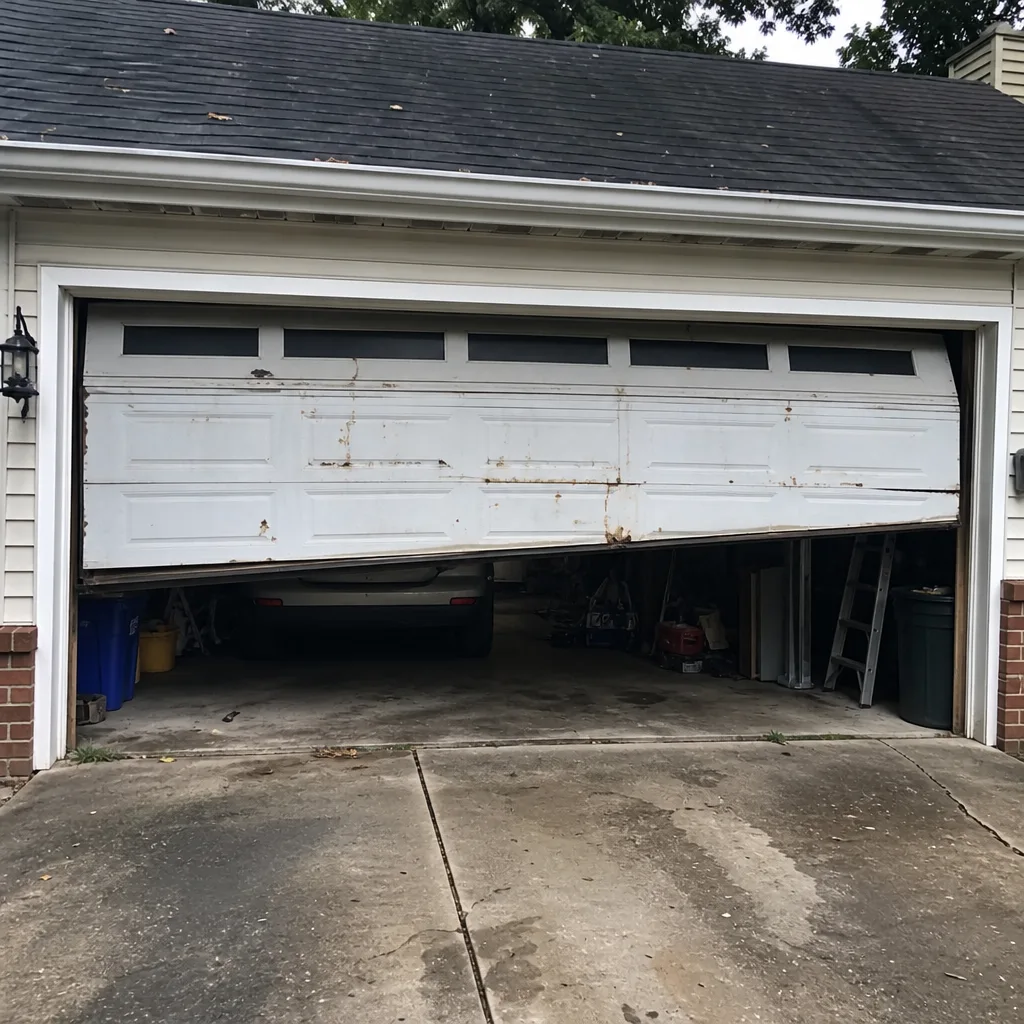 Before
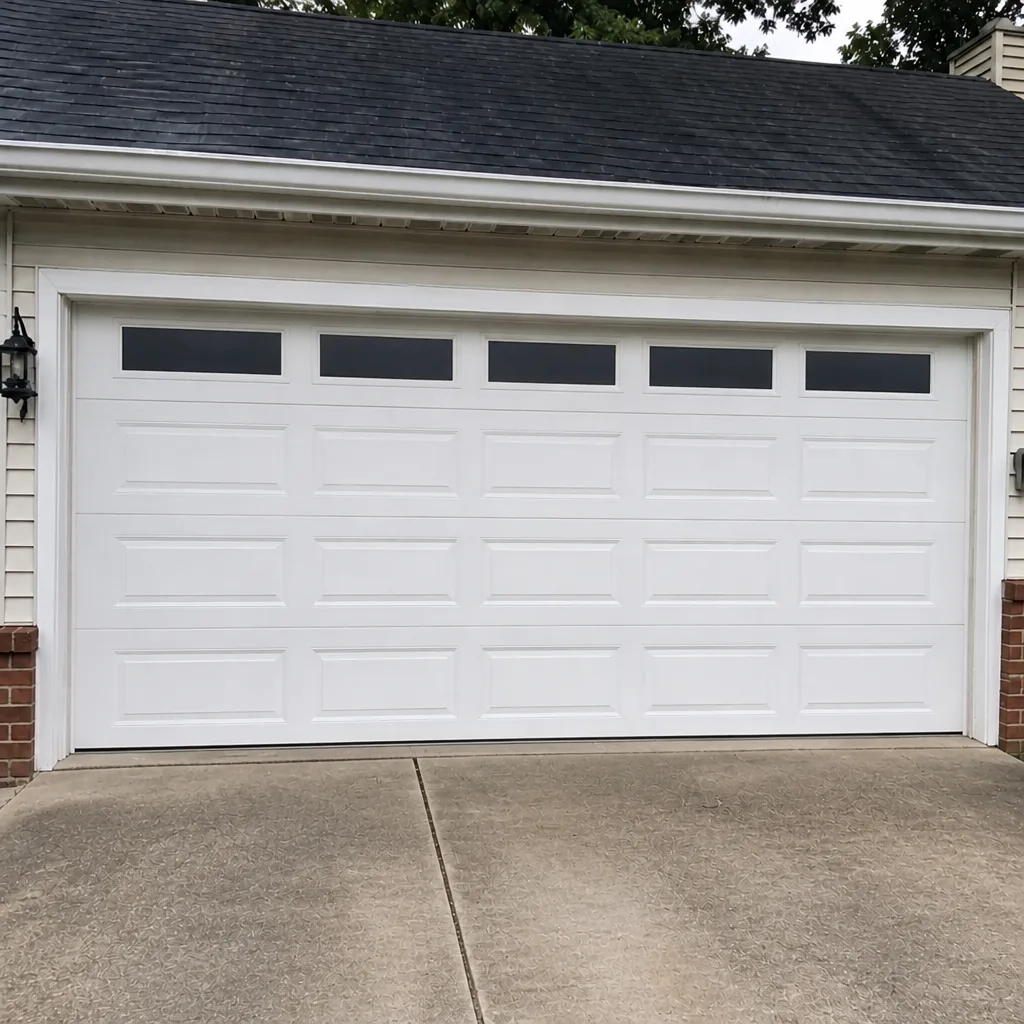 After
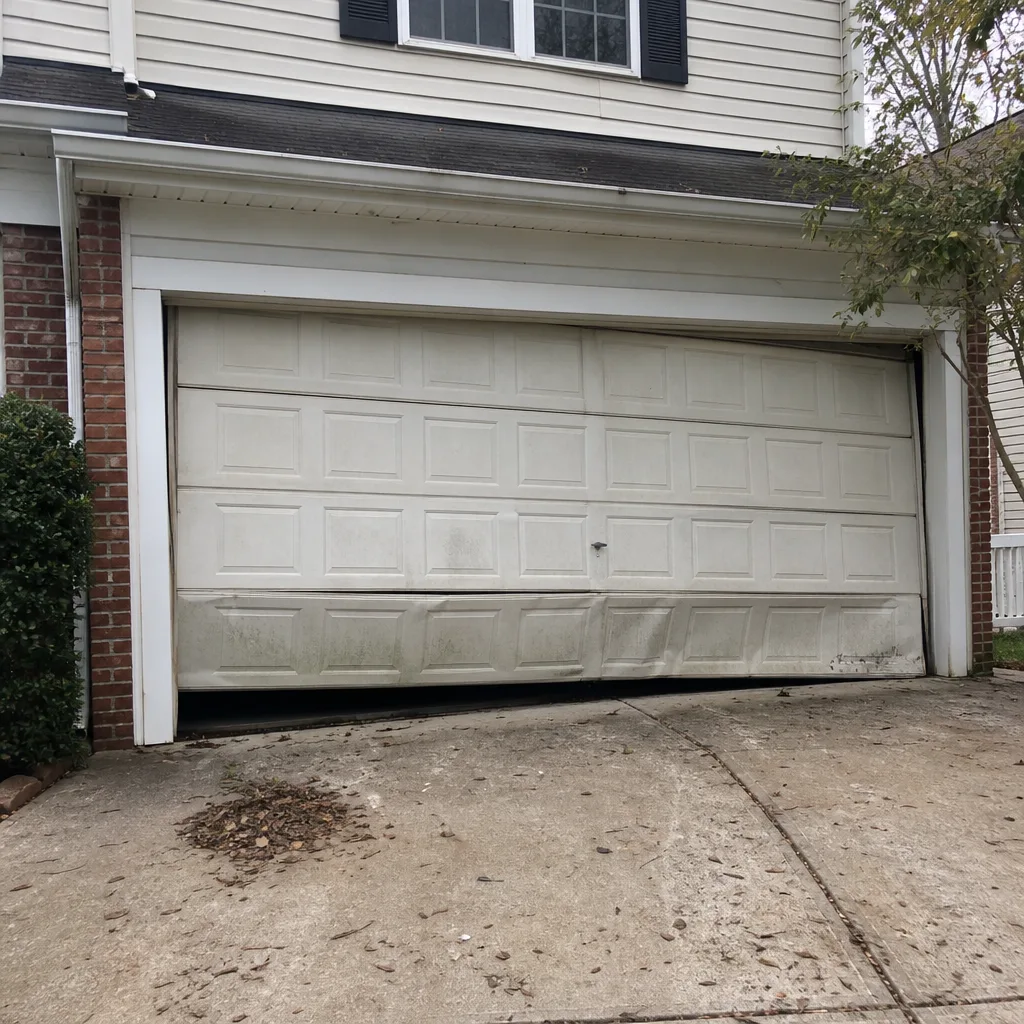 Before
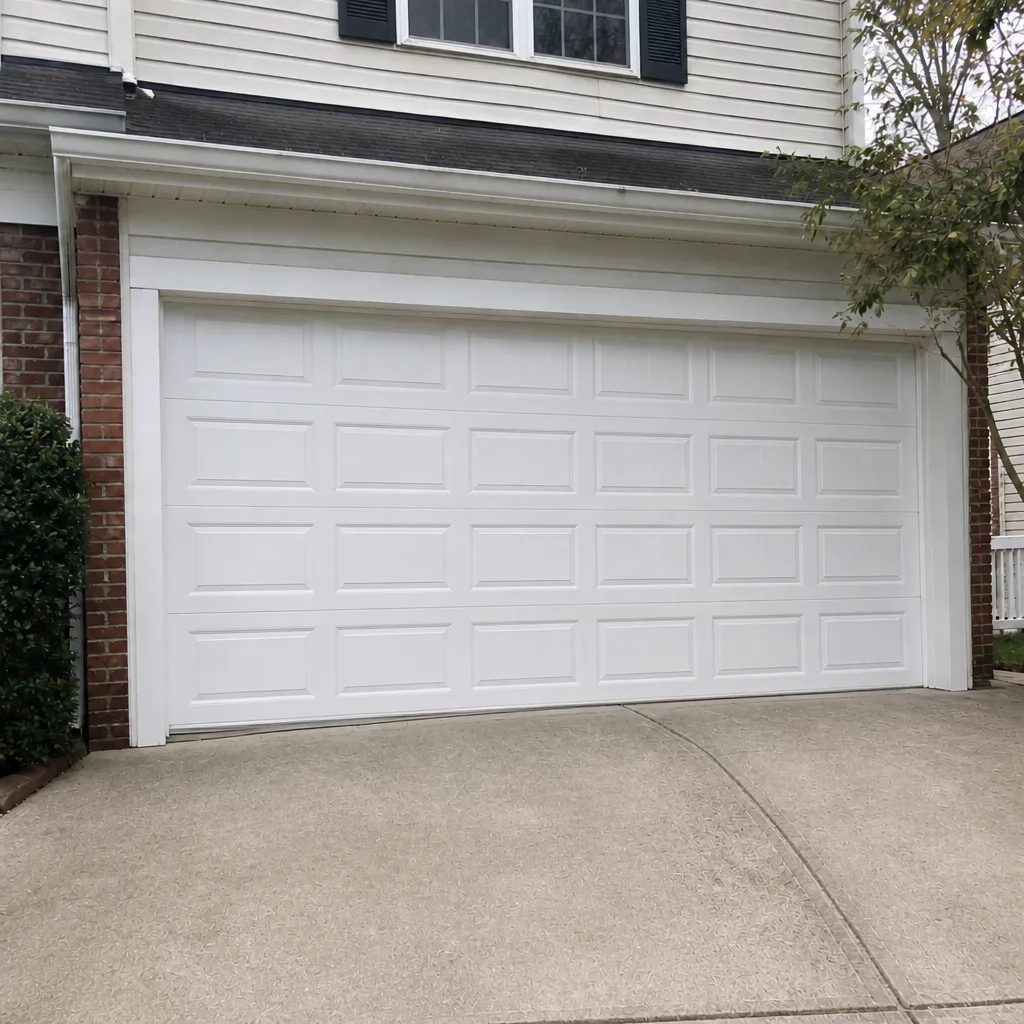 After
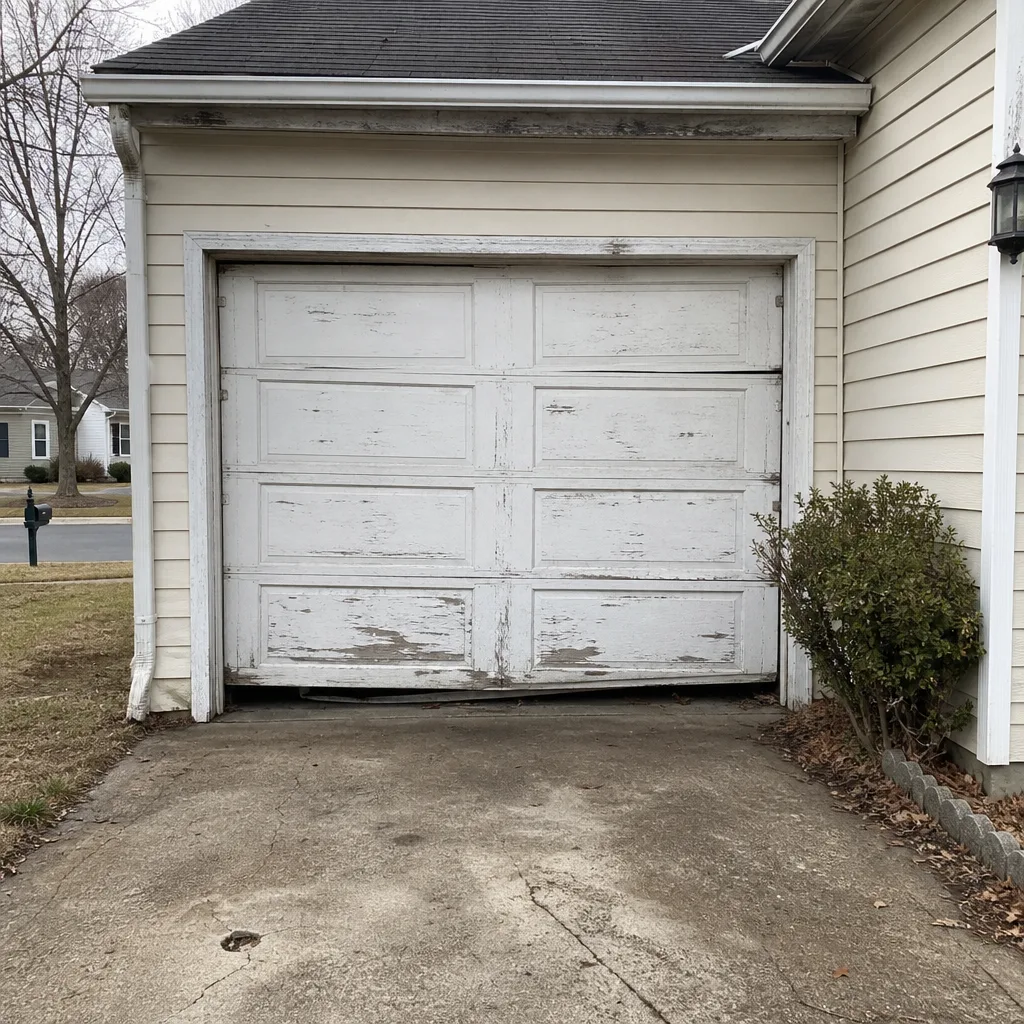 Before
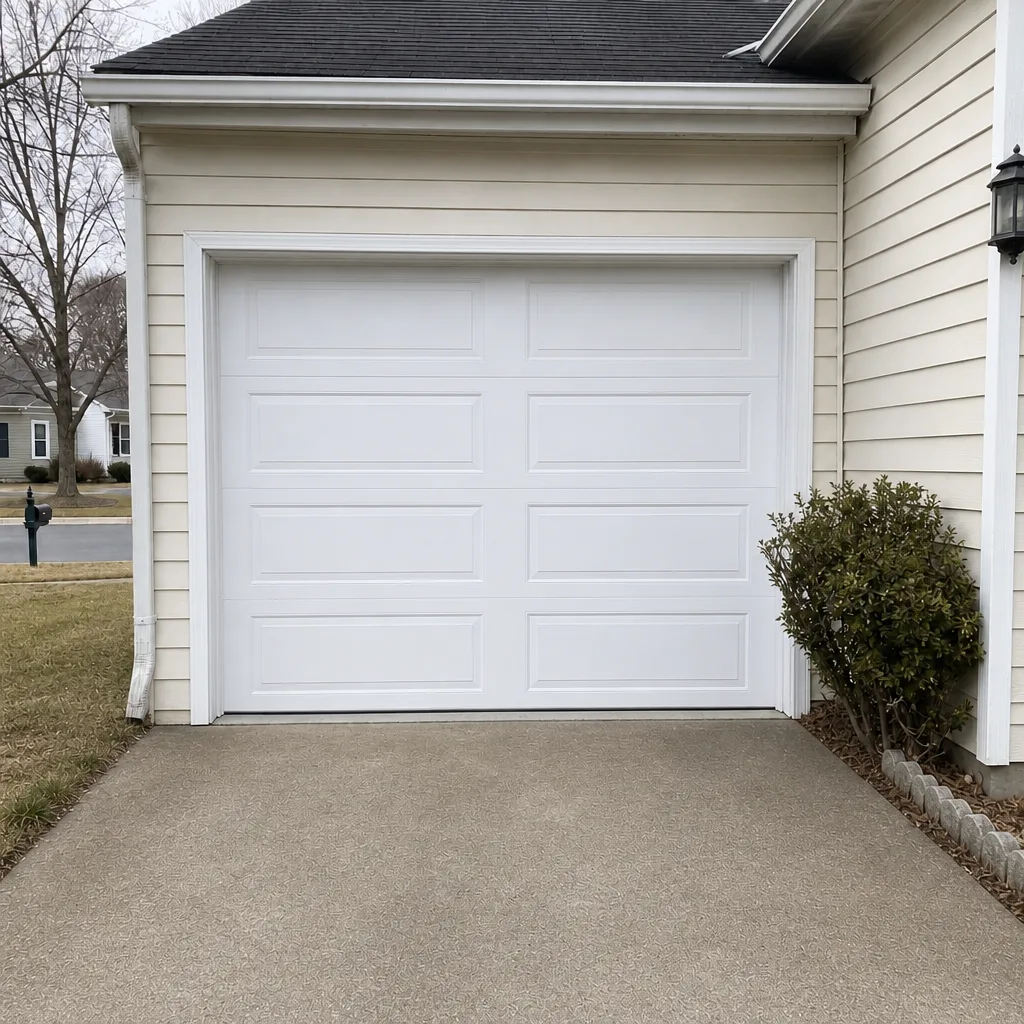 After
When to Call a Professional
Some decisions are best made with a technician standing in front of the door. That’s especially true when the door binds, the opener strains, or a spring has already failed. If your door is crooked, won’t open, or leaves the garage exposed, that’s a job for a specialist who knows the actual brand you have. Short Pump Garage Door Repair Pros offers free estimates in Short Pump – call (833) 468-5635. A technician can look at the existing door and opener together – some are garage door spring repair jobs, some are opener issues, some are full replacements – and tell you which brand and model actually fits your garage rather than upselling you off a showroom floor.
Frequently Asked Questions
There isn’t one best brand – the right choice depends on your spec sheet, not the logo. Match steel gauge, insulation type, R-value, wind rating, and panel profile to an attached Virginia garage, then choose a brand with parts a local technician can actually get. Clopay, Amarr, Wayne Dalton, and Raynor are all well-distributed in this area, and we service and install products from those and other major brands. Call (833) 468-5635 to talk through what your garage actually needs.
The brand matters for distribution and parts availability, not for prestige. Two doors can carry different logos and be functionally identical – or share a logo and be completely different products depending on the line. The real differentiators are steel gauge, insulation type, R-value, wind rating, and hardware. A door from a brand with local parts access will be easier to keep running, which matters more than the name.
Choose polyurethane for an attached, conditioned garage in Short Pump – it delivers a higher R-value per inch and holds up better to humid summers. Choose polystyrene for a detached or unheated garage where you mainly want sound dampening and a solid feel. The right answer depends on how you use the space, not on which insulation is fancier.
Usually the door sections and the paint finish for a defined period – and almost never springs, cables, finish fading, or labor. Before you buy, confirm who honors the claim, how it’s filed, and whether it transfers to the next owner. Springs and cables, the parts that wear out first, are commonly excluded or covered by a separate, shorter warranty.
Yes, in most cases – the major opener brands pair cleanly with standard residential doors when the door is balanced and sized correctly for the opener’s lifting capacity. The risk is proprietary compatibility: some openers lock you into their own remotes, wall controls, and accessories. If you’re planning a smart-connected opener, confirm the pairing before you buy.
No. Torsion and extension springs are under extreme tension and are among the most dangerous components of the entire door system. This is exactly the repair that needs a trained technician, not a general handyman and certainly not a do-it-yourself job. Call a specialist before you touch a spring, and if the door is stuck and the garage is exposed, treat it as an emergency call rather than waiting.
The Bottom Line
The brand on the bottom of your garage door is a starting point, not the answer. What keeps a Short Pump door running is the spec sheet – steel gauge, insulation type and R-value, wind rating, and panel profile – matched to an attached Virginia garage. Then pick a brand with local parts and warranty support so future repairs stay fast. Judge the model, not the logo. And when a spring, cable, opener, or full replacement comes up, call one specialist who knows the brand, the door, and the opener together. Short Pump Garage Door Repair Pros offers free estimates in Short Pump – call (833) 468-5635. Our technicians have up to 9 years of experience, and we work on the brands homeowners already have installed. For the full range of service, start with Short Pump Garage Door Repair Pros.
Written by the team at Short Pump Garage Door Repair Pros.