Last updated November 23, 2026
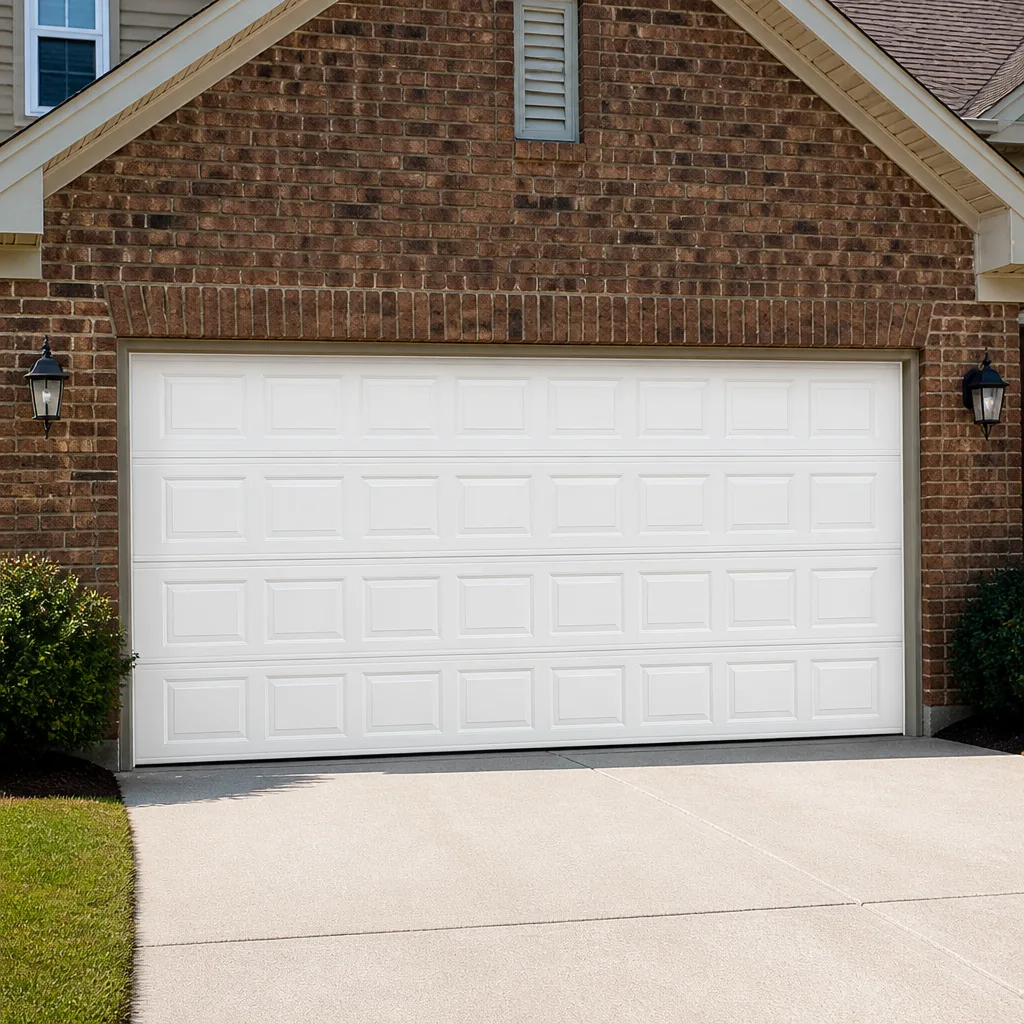 Raised-panel steel
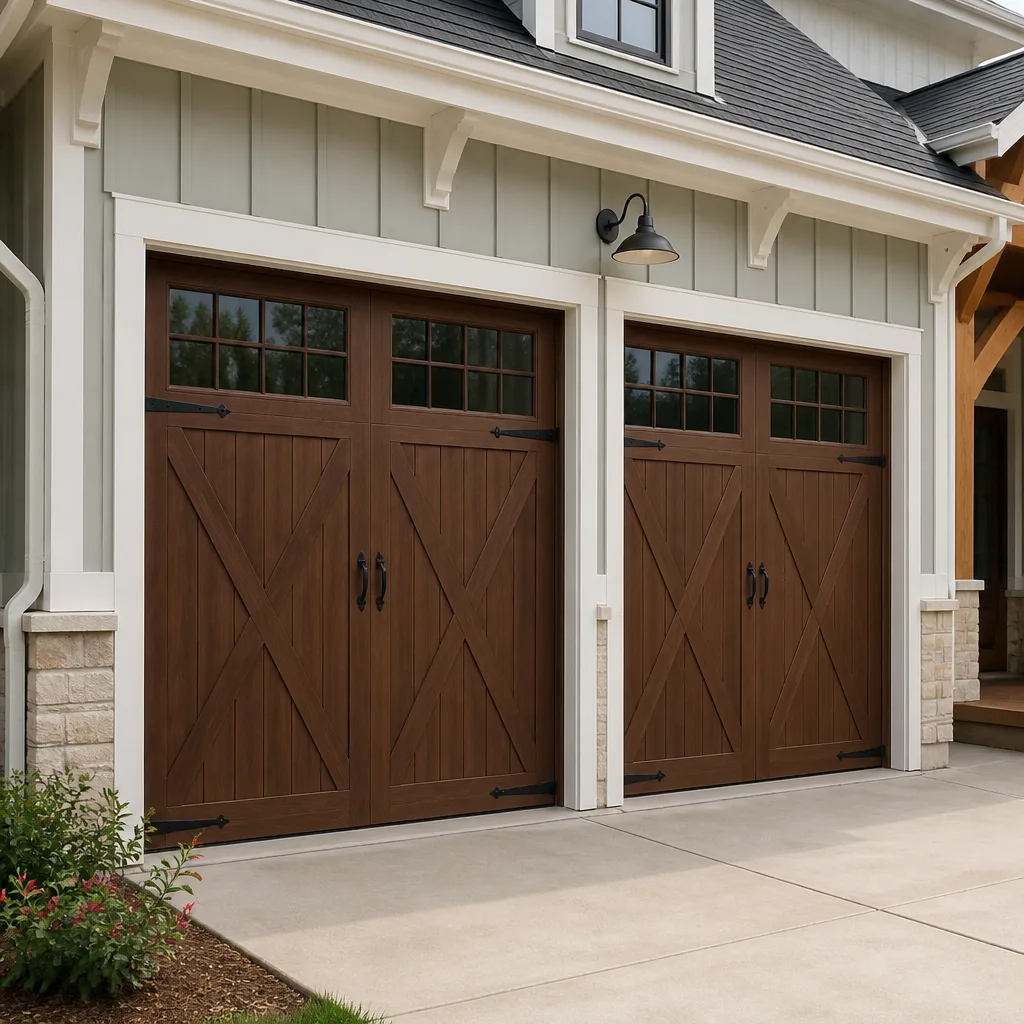 Carriage house
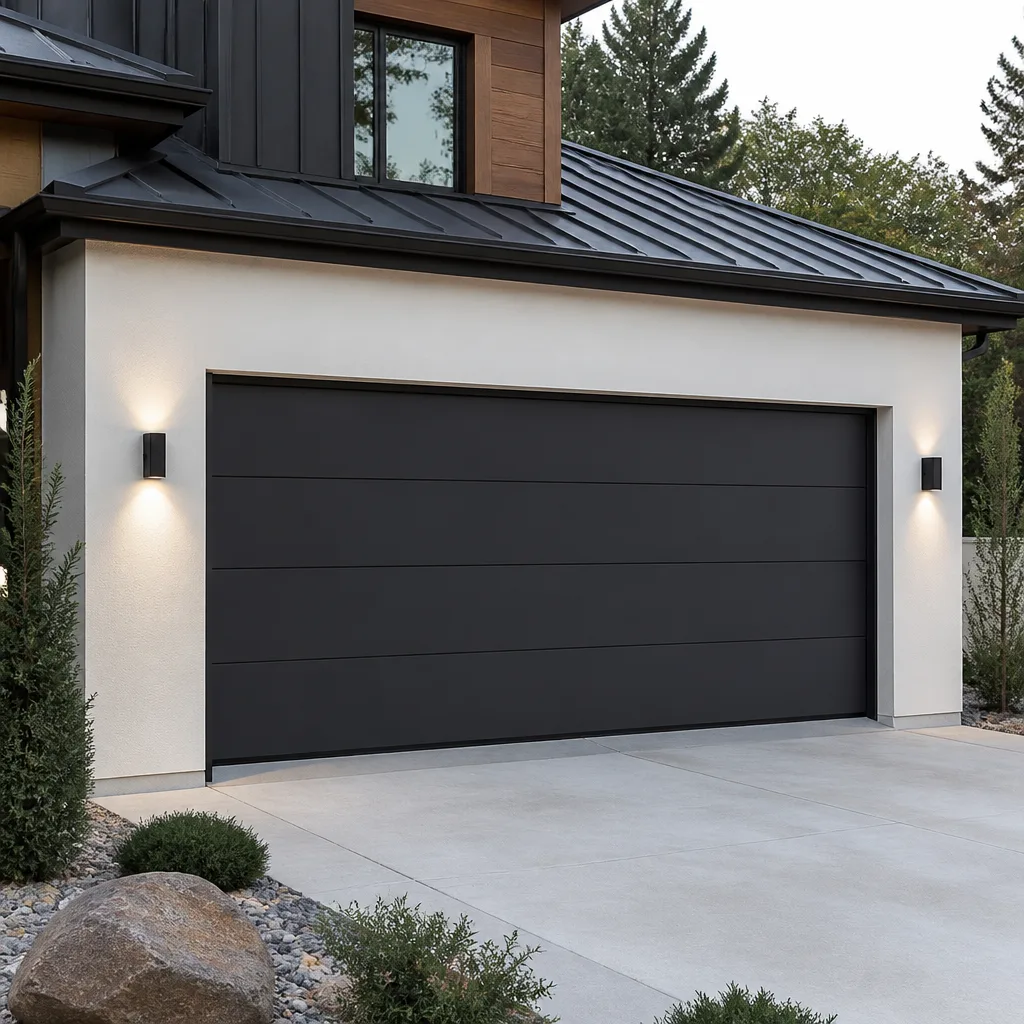 Modern flush
 Full-view glass
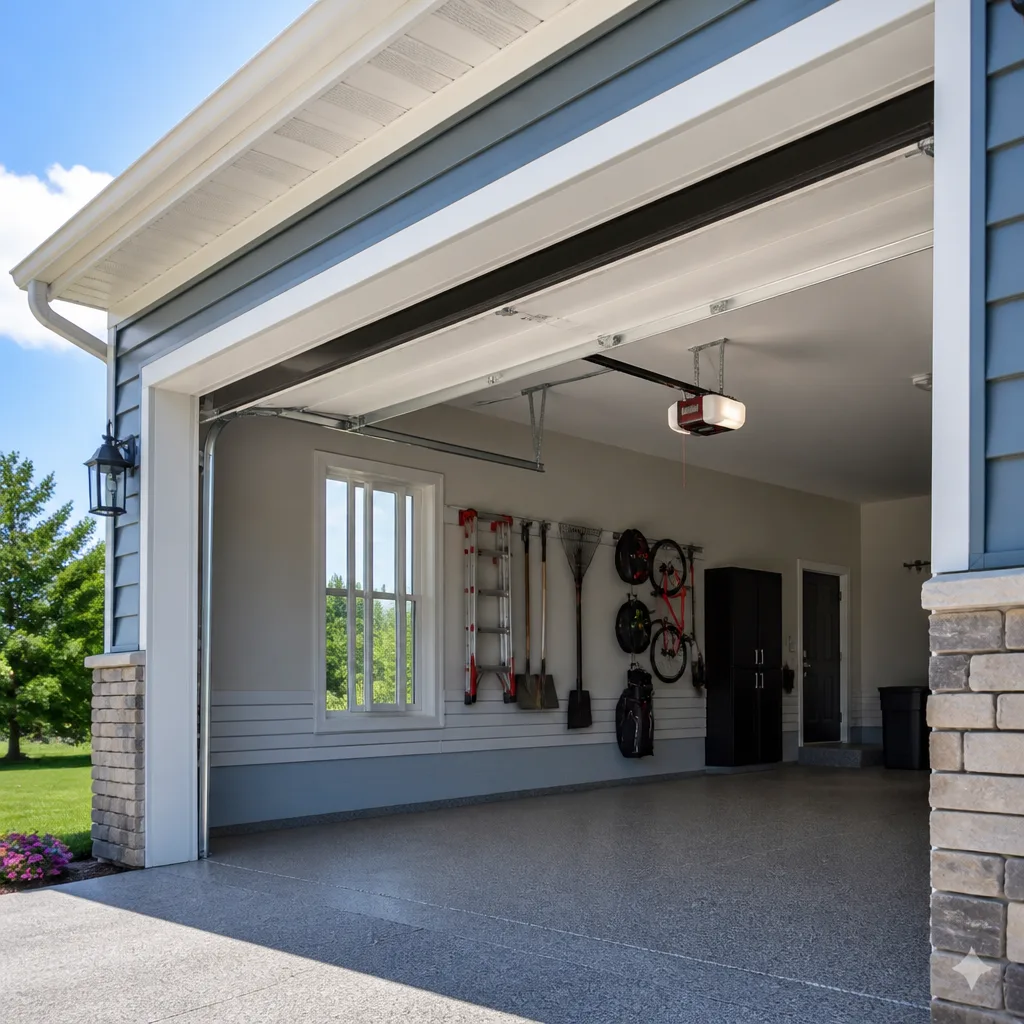 LiftMaster openers
 Chamberlain openers
Full 25-point door and opener safety check with every visit - springs, cables, rollers, tracks, and your LiftMaster or Chamberlain opener included
You get a price before we start. It does not change when the pro arrives.
Get your free estimateSeasonal Garage Door Care for Short Pump: Year-Round Homeowner’s Guide
Most garage door maintenance guides were written for somewhere else. They warn about Minnesota ice dams or Phoenix heat, then hand you a calendar that doesn’t match what actually happens to doors in Short Pump. Here, Virginia’s summer humidity does quiet damage long before winter arrives. It works its way into torsion spring coils and speeds corrosion from the inside out, which is why spring failures here tend to cluster in late summer and early fall rather than in the dead of winter. Our climate pushes door systems in two opposite directions across a single year, and a maintenance plan that ignores the swing wastes effort where it isn’t needed and misses the weeks that matter most. This guide walks through each season for Short Pump homeowners.
Quick Answer
Seasonal garage door care in Short Pump means shifting your attention with the weather: watch bottom seals and opener logic boards through the humid summer, check spring tension and hardware every fall before the first ice, protect the floor seal from freezing shut in winter, and lubricate pivot points and inspect rollers each spring after the cold contracts and dries the hardware. A short inspection each season, logged as you go, catches most failures before they strand your car.
Styles & brands we work with
- Raised-panel steel
- Carriage house
- Modern flush
- Full-view glass
- LiftMaster openers
- Chamberlain openers
Table of Contents
- Why Short Pump’s Climate Stresses Doors Differently
- Summer Protocol: Humidity, Seals, and Opener Heat
- Fall Protocol: The Highest-Risk Season for Springs
- Winter Protocol: Ice, Frozen Seals, and What Not to Do
- Spring Protocol: Post-Winter Hardware Check
- Your Seasonal Log: What to Record and Why
- Common Mistakes to Avoid
- When to Call a Professional
Why Short Pump’s Climate Stresses Doors Differently
Short Pump sits in a transition band. Summers are humid enough to keep an uninsulated garage feeling damp for weeks, and winters are cold enough to bring occasional ice events without the deep, sustained freezes of northern states. That combination matters because garage doors and their hardware react to moisture and temperature in ways that compound over a year.
Humidity is the slower of the two problems. It settles on bare steel and works into the coils of a torsion spring, where condensation sits against the metal and starts the corrosion that eventually weakens it. A spring that looks fine from the outside can be losing strength from the inside. On older wood doors, the same moisture swells panels and stresses joints, and the bottom seal can start to lift where the adhesive softens.
Temperature is the faster problem. Cold contracts metal and dries out lubricant. A door that ran quietly in October can feel stiff and noisy in January because the pivot points and rollers lost the film of grease that kept them moving freely. Then spring warmth arrives and the hardware needs that lubrication replaced.
The point is simple: in Short Pump, the maintenance calendar is not a winter checklist. It’s a rotation. Each season asks something different of your door, and knowing which part of the system is under stress right now is what keeps a $150 inspection from turning into a spring replacement. Throughout this guide, when we describe how a typical job goes, we’re drawing on what our technicians have learned across brands like Amarr, Wayne Dalton, and others homeowners already have installed.
Summer Protocol: Humidity, Seals, and Opener Heat
Summer is when the quiet damage happens. The garage is often the hottest, dampest room in the house, and everything in it is working against moisture and heat at once. Three parts of the system deserve your attention between June and September.
Bottom seal adhesion. The rubber or vinyl seal along the bottom of your door is glued or fastened to the bottom section. In humid weather, the adhesive can soften and the seal can begin to peel away at the corners. Once it lifts, it lets in water, insects, and drafts, and it can drag on the floor as the door moves. Run your hand along the seal on a dry morning and look for gaps or curling at the ends. A seal that’s lifting is a small fix now and a bigger one if it tears free.
Wood panel swelling in older doors. If your door is older wood or a wood-composite, humid air can swell the panels enough to change how the door sits in its frame. You may notice the door binding on one side or the panels looking slightly proud of the stiles. Don’t force it. Swelling usually eases as humidity drops, but persistent binding is worth a look, because a door that’s out of alignment strains the opener and the springs.
Opener logic board heat. An uninsulated garage can get very hot, and the logic board inside your opener is sensitive to that. If your opener behaves erratically in the afternoon heat, stops mid-travel, or loses its programming, heat is a common culprit. This is one place where knowing your brand helps. A Craftsman or a LiftMaster board behaves differently, and a technician who works on the platform regularly can usually tell whether you’re looking at a heat issue or a failing component. If the problem persists, it may be time to look at garage door opener repair rather than living with a door that works only in the morning.
- Check the bottom seal for lifting corners once a month in summer.
- Look for binding or panel swelling on older wood doors after humid stretches.
- Note any erratic opener behavior and whether it tracks with afternoon heat.
- Keep the garage as ventilated as you reasonably can.
Fall Protocol: The Highest-Risk Season for Springs
This is the season most homeowners get wrong. Conventional advice says springs fail in the coldest months, but in the Short Pump area we see the opposite pattern. The humidity of summer has already thinned and weakened the coils, and the first cool, dry weeks of fall are when the accumulated corrosion and metal fatigue finally give way. If your door is going to fail, fall is when it’s most likely to happen.
That’s why a pre-winter tension check matters so much here. It’s also where a lot of DIY advice gets dangerous. Torsion springs store an enormous amount of energy, and the cables and drums they drive are under that same tension. A spring under load can release suddenly and cause serious injury, and the tools and technique involved are not something to learn from a video. We say this plainly because it’s true: springs are the repair that most needs a specialist. What you can do safely is observe, not adjust.
Here’s what a pre-winter check looks like from the homeowner’s side:
- Look at the torsion spring (the horizontal coil above the door) or the extension springs (the springs running along the tracks) for visible rust, especially at the ends and where the coils meet.
- Listen for a door that’s getting louder or slower as it opens.
- Watch whether the door opens unevenly, with one side lagging.
- Check that the door balances: lift it by hand about halfway with the opener disconnected, and it should stay roughly in place rather than dropping or racing up. If it won’t hold, stop and call a professional.
If any of those observations point to a problem, a trained technician can measure tension, inspect the cables and drums, and tell you whether the spring is near the end of its life. A spring that’s replaced before it snaps is a scheduled repair. A spring that snaps can leave your car trapped and your door hanging. When it’s time, garage door spring repair is a job for someone who works on these systems regularly, on whatever brand of door you have.
Winter Protocol: Ice, Frozen Seals, and What Not to Do
Short Pump doesn’t get the long, brutal freezes of northern states, but it does get ice events, and those are enough to cause a specific and very common failure: the bottom seal freezing to the garage floor. When that happens, the door won’t lift, and the temptation is to hit the opener button again and again or to force the door by hand. Don’t.
Forcing a door whose seal is frozen to the floor puts stress on the opener, the springs, and the bottom section all at once. The opener may strip a gear or burn out a capacitor trying to break the seal free, and the door itself can crack or bend. The safe move is to free the seal gently rather than fight it.
Here’s the right way to handle a frozen seal:
- Disconnect the opener if you can do so safely, so it doesn’t try to lift a stuck door.
- Use warm (not boiling) water along the seal-to-floor contact line to melt the ice bond.
- Never chip at the ice with a shovel, screwdriver, or ice scraper; you’ll damage the seal or the door.
- Once free, dry the seal and the floor line, then test the door by hand before reconnecting the opener.
Prevention is easier. Before a forecast ice event, apply a thin coat of silicone-based lubricant or a light layer of a non-stick product along the bottom seal where it meets the floor. Keep the floor clear of snow and meltwater that can refreeze under the door. If your garage floor slopes toward the door, water pooling there is what freezes first.
Winter is also when you’ll hear the cold-weather stiffness in the hardware. That’s normal to a degree, but a door that suddenly gets much louder or slower is telling you the lubricant has dried out and the pivot points need attention.
Spring Protocol: Post-Winter Hardware Check
By the time spring arrives, your door has been through a humid summer, a fall where the springs were under their greatest strain, and a winter that contracted and dried the metal. Now the hardware needs to be brought back. This is the season to lubricate the moving parts that lost their protective film over the cold months.
The pivot points are the priority. These are the hinges where the door sections meet and the points where the rollers sit in the track brackets. Cold dries out the lubricant in these spots, and a dry hinge wears faster and puts more load on the opener. A silicone-based or white lithium lubricant works well on hinges and rollers. Don’t use a heavy grease that will collect grit.
This is also the time to inspect the rollers and the track. Look for rollers that are flat-spotted or cracked, and check that the track hasn’t shifted or picked up debris over the winter. A roller that’s worn out can jump the track, and a track that’s out of alignment will make the door drag. Rollers and tracks are parts homeowners can inspect and, in some cases, replace themselves, but if the track itself is bent, that’s a professional repair.
- Lubricate hinges and roller stems at the start of spring.
- Inspect rollers for flat spots, cracks, and wear.
- Check that the track is straight and clear of debris.
- Test the door balance by hand with the opener disconnected.
- Look at the springs again after the winter for new rust.
We’ve seen doors that ran beautifully for years because the homeowner did this one thing every spring: a ten-minute lubrication pass. It’s the cheapest maintenance there is, and it quietly extends the life of the whole system, including the opener. If the door still feels stiff or noisy after lubrication, that’s a signal to have it looked at by someone who knows your specific brand, whether that’s a Raynor or a Clopay.
Your Seasonal Log: What to Record and Why
A simple written log is one of the most useful things you can keep for your garage door, and almost nobody does it. The reason it matters is diagnostic speed. When a technician arrives with a year’s worth of your observations, the diagnosis goes faster and the labor cost drops. Instead of guessing why a door is behaving oddly, they can see the pattern.
You don’t need anything fancy. A notebook on a shelf in the garage, or a note on your phone, works fine. Record the same handful of things each season so the entries compare cleanly.
Here’s a simple template you can copy:
- Date of the check.
- Season (summer, fall, winter, spring) so the pattern is obvious at a glance.
- Door noise: quiet, a little louder, or loud enough to notice.
- Door speed and balance: opens evenly, or one side lags.
- Bottom seal condition: intact, lifting at corners, cracked, or frozen to floor at any point.
- Spring condition: no visible rust, light rust, or heavy rust; any change in noise or balance.
- Opener behavior: normal, erratic in heat, stops mid-travel, loses programming.
- Lubrication done: yes or no, with the date.
- Anything that felt different from the season before.
The log turns a vague memory into evidence. A technician can look at it and quickly rule things in or out, which saves time on the clock and helps you avoid paying for diagnostics you don’t need. It also helps you notice a pattern you’d otherwise miss, like a door that’s reliably stiff every January or noisy every August. That’s information a good technician can use.
Common Mistakes to Avoid
- Treating the door like a winter problem only. In the Short Pump area, the biggest risk window for springs is late summer into fall, not the coldest months. A spring inspection in October catches far more than one in February.
- Forcing a frozen door. When the bottom seal freezes to the floor, running the opener or yanking the door puts strain on the springs, opener, and bottom section. Free the ice with warm water instead.
- Lubricating the track. The track should stay clean and dry; grease on the track collects grit and makes the door drag. Lubricate hinges and rollers, not the track surfaces.
- Ignoring a lifting bottom seal. A seal that peels at the corners lets in water and drafts, and it can tear free and jam the door. Catching it early is a small fix.
- Trying to adjust or replace springs yourself. Torsion and extension springs are under extreme tension, and a sudden release can cause serious injury. This is the one repair that should always go to a trained technician.
- Assuming your brand disqualifies you. Plenty of homeowners assume a technician won’t work on their door. A specialist trained across the major brands should be able to work on what you already have.
- Skipping the spring lubrication pass. A dry hinge or roller wears faster and loads the opener. A quick lubrication each spring extends the life of the system.
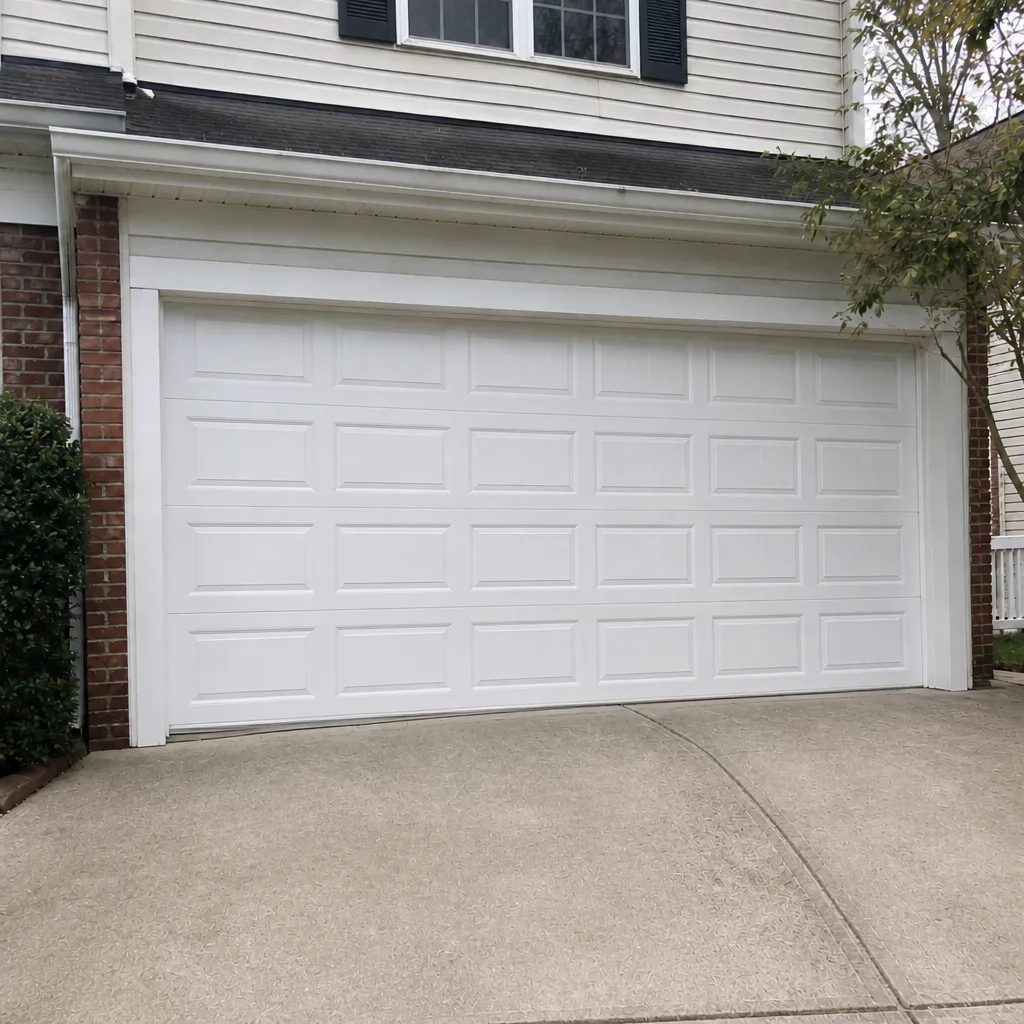
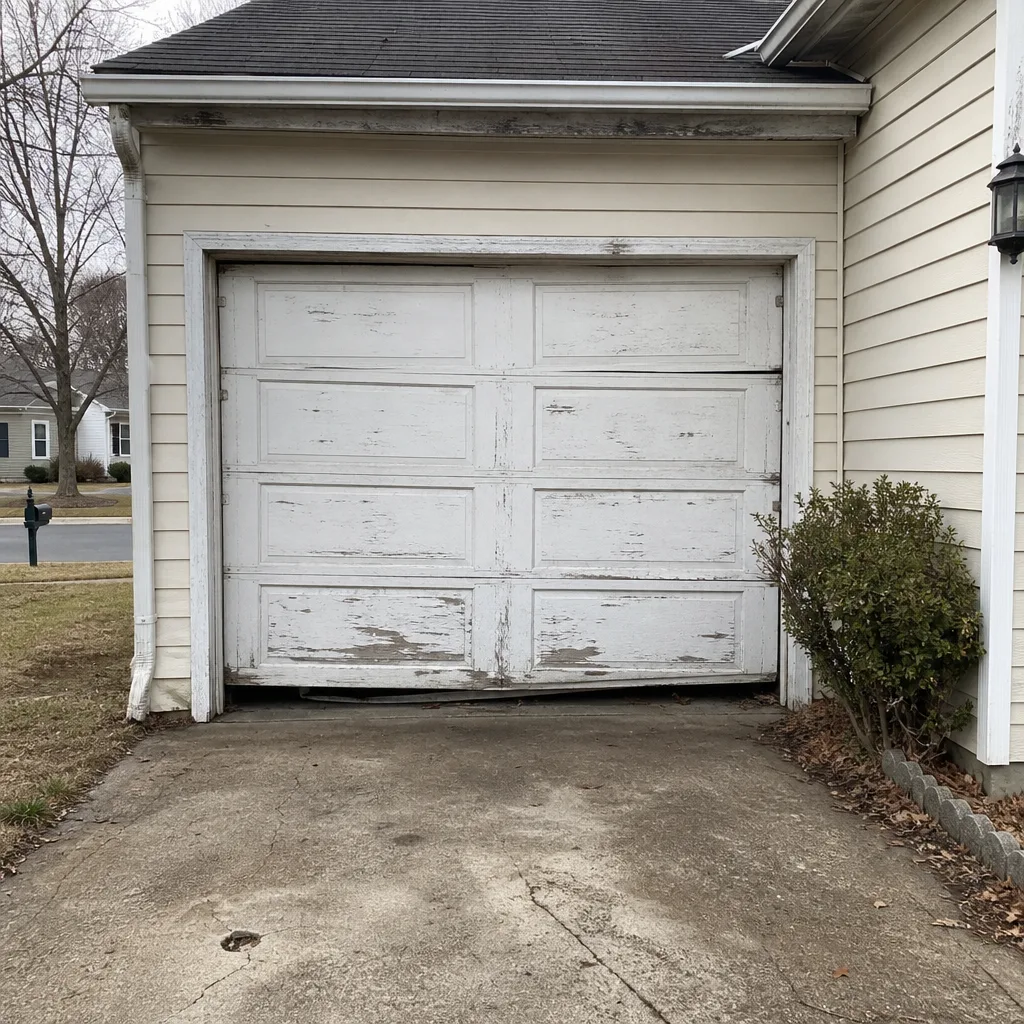
See the difference
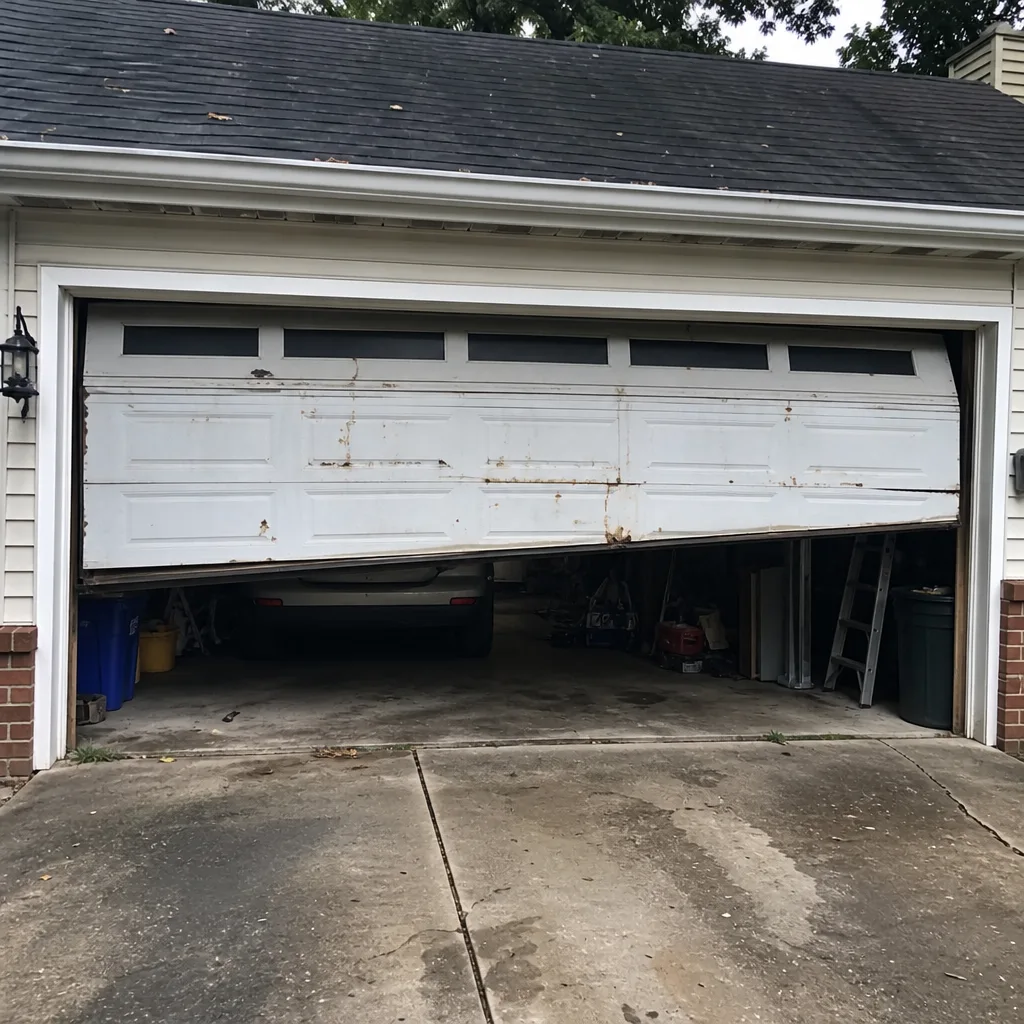 Before
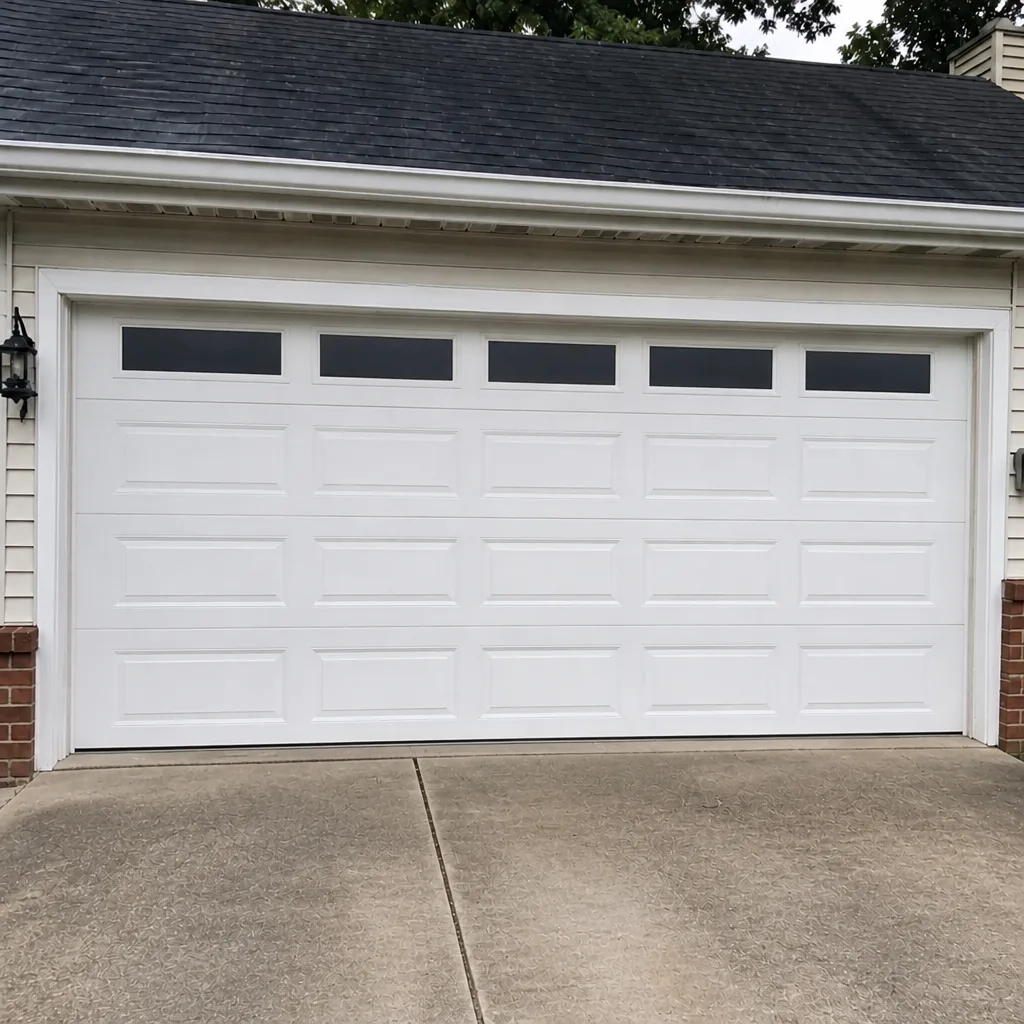 After
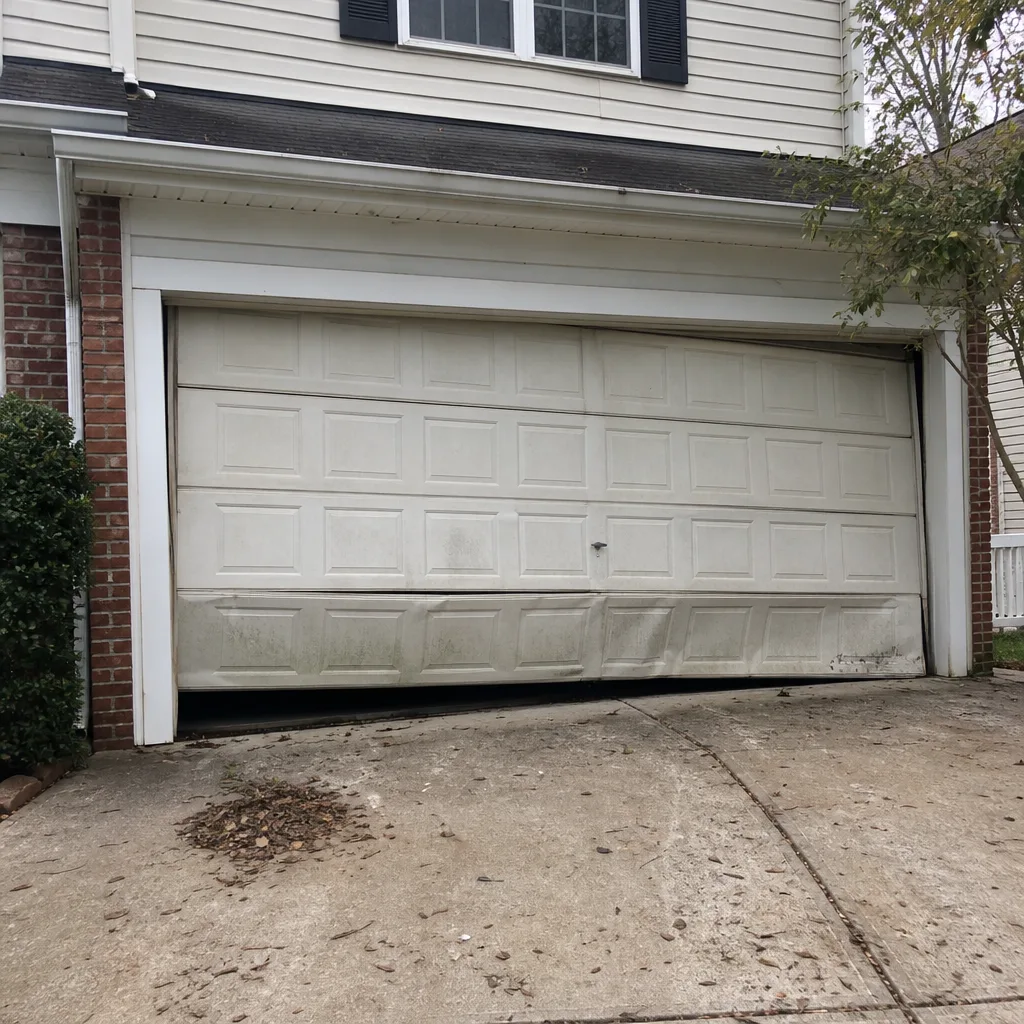 Before
 After
 Before
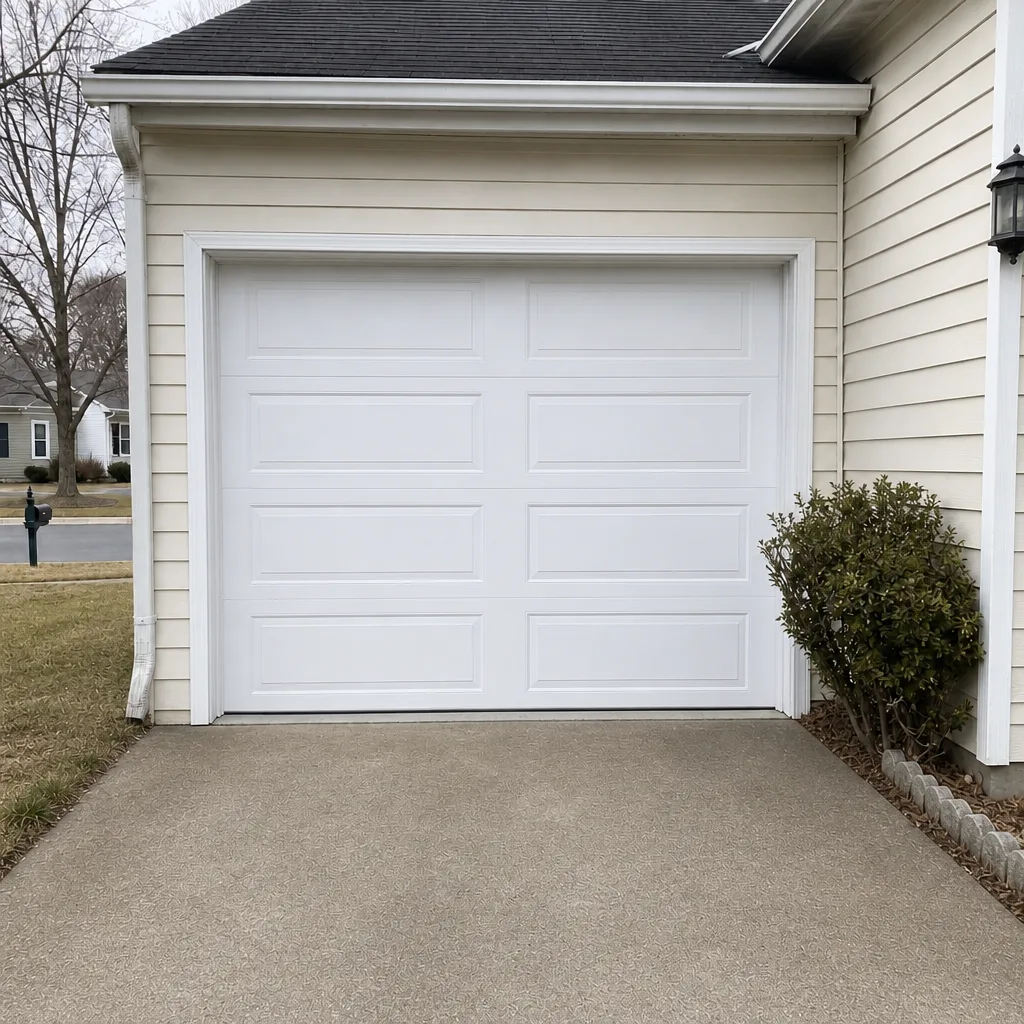 After
When to Call a Professional
Some issues are a quick homeowner check; others are a call. The line is usually clear. If you see a broken spring, a frayed or snapped cable, a door that’s come off its track, or a door that won’t balance when you test it by hand, stop and call a professional. Those are the repairs where the stored energy in the system makes DIY genuinely risky. The same goes for a door that’s become dangerous to operate because it drops suddenly or won’t stay up. And if your opener is behaving erratically after a heat wave or won’t respond at all, that’s worth a look too.
For routine care, seasonal inspections and lubrication are things most homeowners can handle. But when something points to a failing spring, a damaged door, or an opener that needs attention, the right move is a specialist who works on your brand. Short Pump Garage Door Repair Pros offers free estimates in Short Pump, and we handle everything from garage door repair to opener service and new installations. Call (833) 468-5635 to set up a visit.
Frequently Asked Questions
A full inspection each season, with lubrication in the spring, covers most of the routine care. In the Short Pump climate, the fall check matters most because that’s when springs are most likely to fail. If your door is older or has had past repairs, a mid-season look at the springs and seals is worth the few minutes.
Because summer humidity corrodes the coils from the inside out, weakening them over weeks, and the first cool, dry weeks of fall are when that accumulated fatigue gives way. That’s why we recommend a pre-winter tension check in Short Pump and a spring inspection in fall rather than winter. Our technician experience with brands like Wayne Dalton and Craftsman means we can tell quickly whether a spring is near the end of its life.
Don’t force the opener or the door. Disconnect the opener if you can do so safely, then melt the ice bond with warm water along the seal line and dry it before testing the door by hand. Once it’s free, apply a silicone lubricant to the seal to help prevent it from happening again.
No. Torsion springs store an enormous amount of energy, and a sudden release can cause serious injury. This is the repair that most needs a trained technician. If your spring is broken or near failure, call a professional rather than attempting it yourself.
It shouldn’t be. A specialist should work on what you already have, and we handle products from eight of the most widely installed brands, including LiftMaster, Chamberlain, Genie, Clopay, Amarr, Wayne Dalton, Craftsman, and Raynor. If you’re not sure what you have, a quick look at the door or opener label will tell a technician what they need. Call (833) 468-5635 for an exact quote.
Most of it, yes. Inspecting seals, checking the door balance by hand, lubricating hinges and rollers, and keeping a log are all things a homeowner can do. But anything involving springs, cables, or a door that’s come off its track should go to a professional. Call us at (833) 468-5635 with questions, and our team will help you sort out what’s safe to handle and what isn’t.
The Bottom Line
Garage door care in Short Pump isn’t a winter checklist. It’s a rotating set of seasonal priorities shaped by a humid summer and occasional winter ice. Watch your seals and opener through the summer, check spring tension every fall, protect the floor seal in winter, and lubricate and inspect hardware each spring. Keep a simple log so a technician can see a year’s worth of observations at a glance. Do that, and you’ll catch most problems before they strand your car. When something does need a specialist, Short Pump Garage Door Repair Pros works on the major brands, from springs to openers to full doors.
If your door is due for a seasonal inspection or you’ve noticed something that needs a look, call Short Pump Garage Door Repair Pros at (833) 468-5635 for a free estimate. We’ll take a look at the door and the opener together, give you a straight answer, and let you decide what’s next. Our technicians have up to 9 years of experience, and we’re ready when you are.
Written by the team at Short Pump Garage Door Repair Pros.