Last updated November 23, 2026
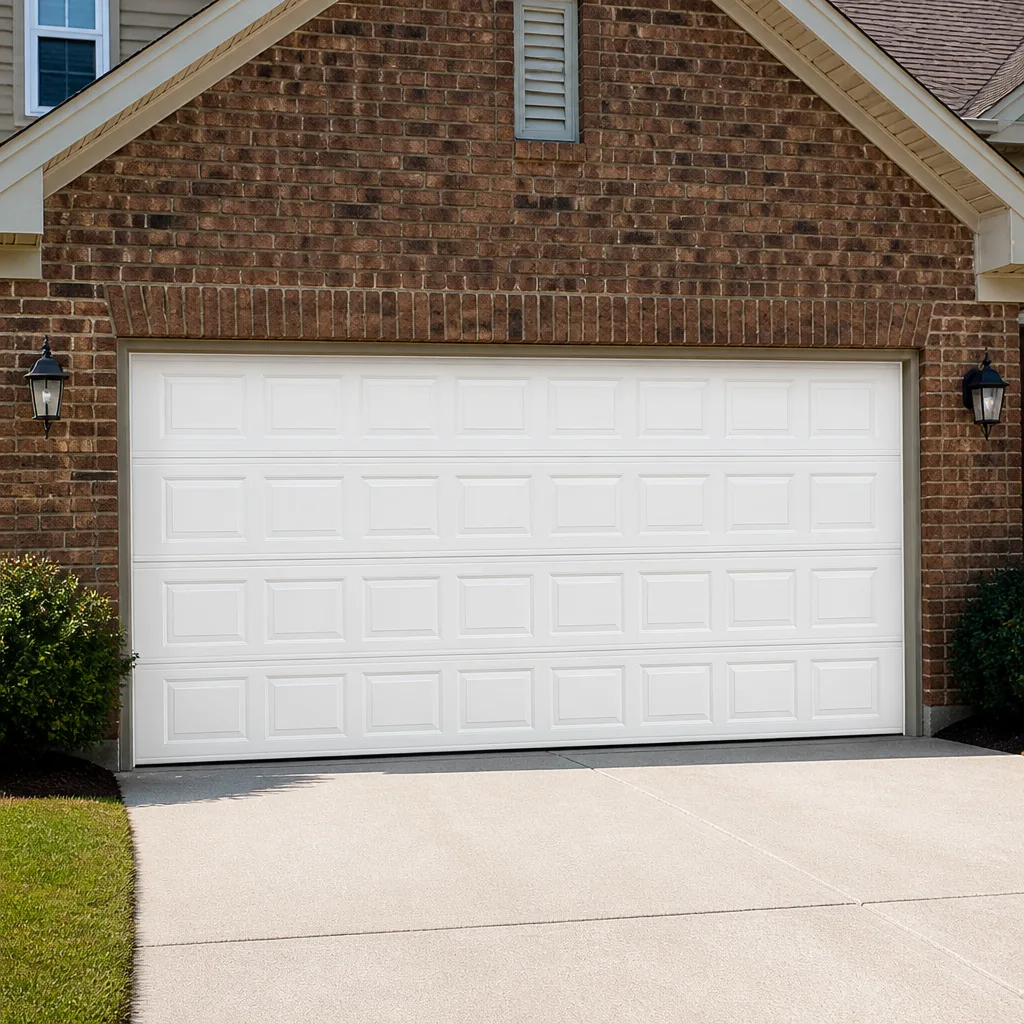 Raised-panel steel
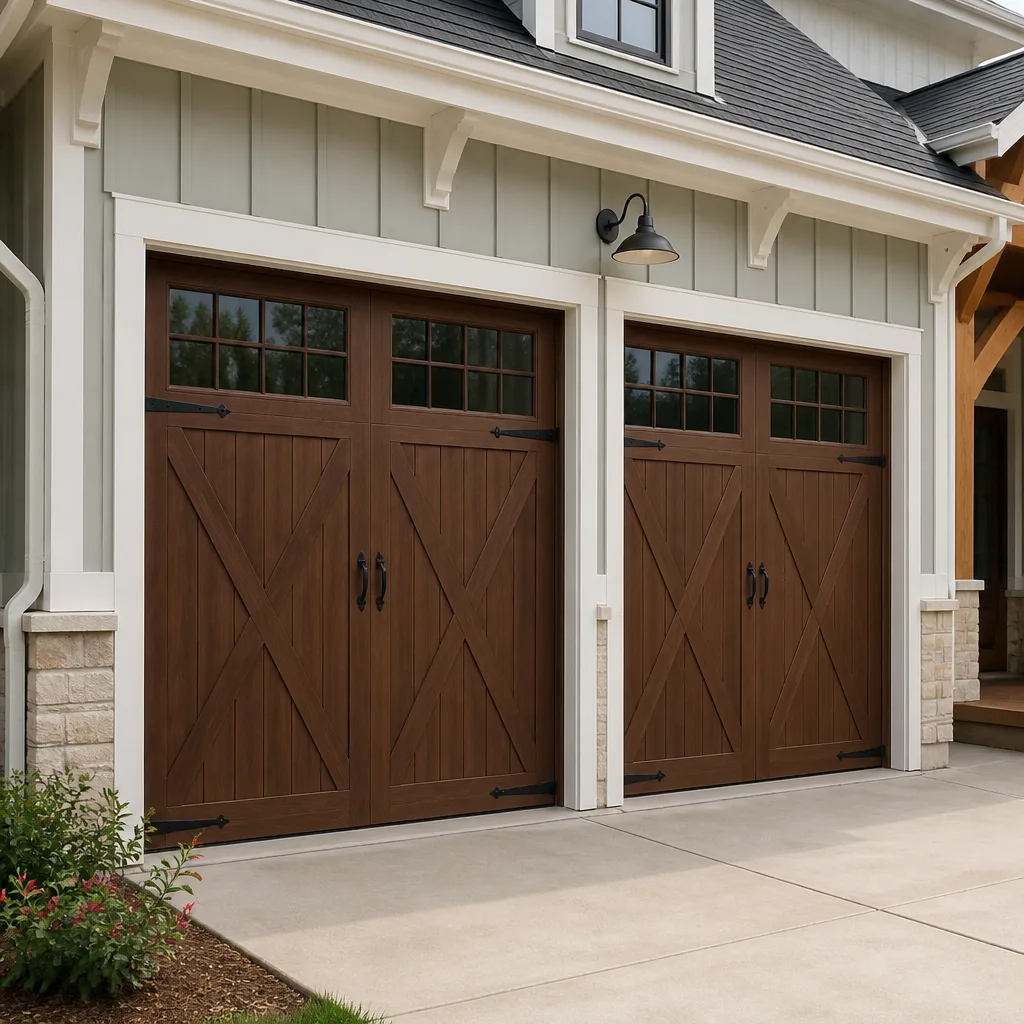 Carriage house
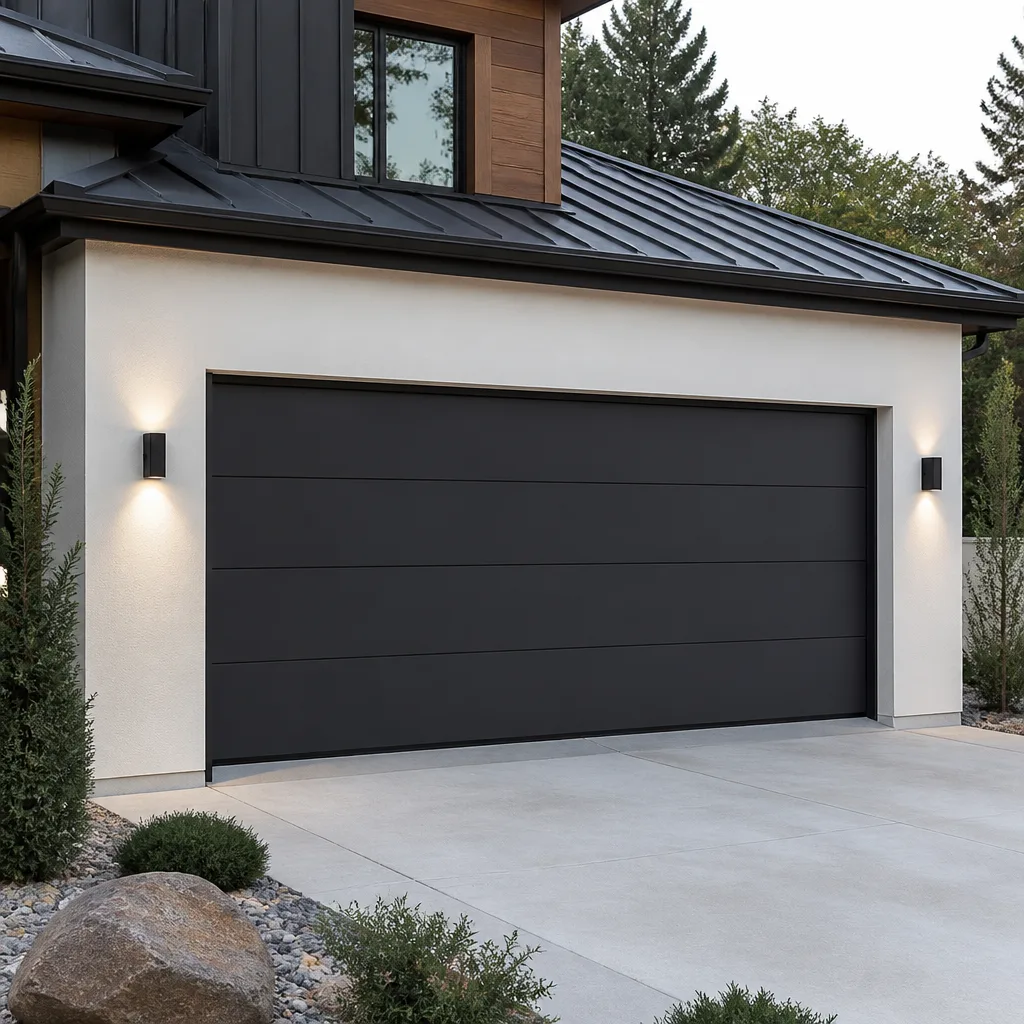 Modern flush
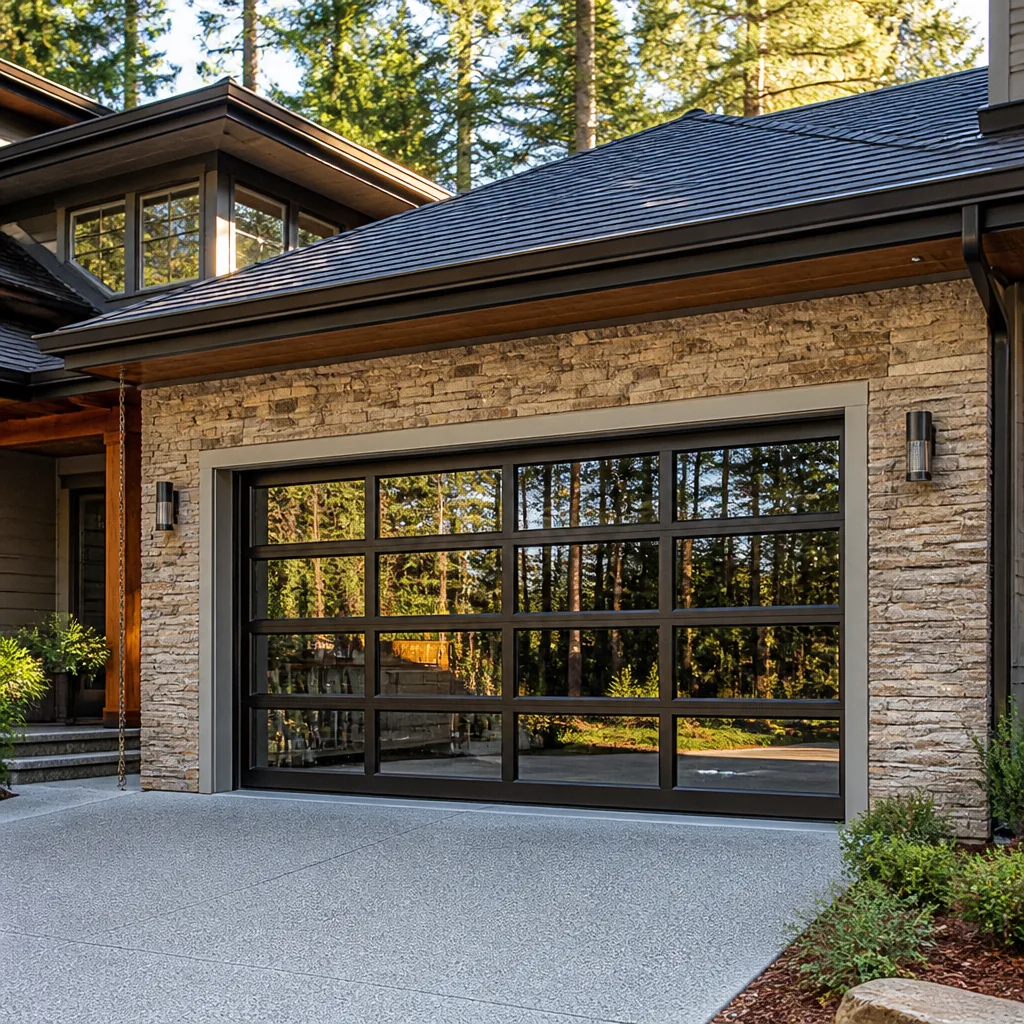 Full-view glass
 LiftMaster openers
 Chamberlain openers
Full 25-point door and opener safety check with every visit - springs, cables, rollers, tracks, and your LiftMaster or Chamberlain opener included
You get a price before we start. It does not change when the pro arrives.
Get your free estimateGarage Door Permits, Codes & Inspections in Short Pump, VA: What You Need to Know
Here’s a counterintuitive fact about replacing a garage door in Short Pump: two jobs that look identical from the street can land on opposite sides of the permit line. It’s not the price tag that decides it. It’s not how many panels or windows the new door has, and it isn’t whether the door is steel-backed or wood-look. The deciding factor is whether the job changes the rough opening dimensions or the framing around it. A like-for-like swap usually doesn’t need a building permit. Alter the opening, and it usually does. We’ve seen homeowners pull permits they never needed and skip permits they absolutely did. This guide draws the line clearly so you don’t pay for bureaucracy you don’t need or face a violation you didn’t see coming.
Quick Answer
In Short Pump and the rest of Henrico County, a straight replacement of a garage door into the same rough opening, with the same dimensions and no framing changes, generally does not require a building permit. A job that alters the rough opening or involves structural framing, a change in door size, or work affecting the fire-rated separation between the garage and the living space typically does. Always confirm with the Henrico County building department before work starts, because the final word is theirs.
Styles & brands we work with
- Raised-panel steel
- Carriage house
- Modern flush
- Full-view glass
- LiftMaster openers
- Chamberlain openers
Table of Contents
- Where Henrico County Draws the Permit Line
- What the Virginia Code Says About Garage Doors
- The Fire-Rated Door Between Your Garage and Living Space
- What an Inspector Actually Checks
- HOA Approval in Short Pump’s Planned Communities
- How to Sequence Country and HOA Approvals
- What Happens When You Skip a Required Permit
Where Henrico County Draws the Permit Line
The single question that decides whether your Short Pump garage door project needs a building permit is this: are you changing the rough opening or the framing around it? If the answer is no, you’re in like-for-like swap territory, and that work usually stays outside the permit process. If the answer is yes, you’re doing structural work, and that generally pulls a permit.
The rough opening is the framed hole in the wall where the door sits. Its width and height are set when the house is built. A standard replacement means a new door sized to fit that same opening, mounted to the same framing, with the same tracks and the same headroom. Nothing about the building’s structure moves. That’s the swap that typically doesn’t require a building permit in Henrico County.
What does tend to require one:
- Widening or heightening the rough opening for a larger door
- Reframing the header or jambs around the opening
- Converting a section of wall or an opening into a new garage door location
- Adding a garage door where none existed, such as enclosing a carport
- Any change that touches the structure of the wall the door lives in
Homeowners in Short Pump often over-permit here. Swapping a worn LiftMaster opener or replacing a single door panel isn’t construction work, and it doesn’t need a building permit. On the flip side, adding a taller door to fit an SUV and having a contractor trim the header to make room is exactly the kind of job that does. The cost of the project tells you nothing. The scope of the framing tells you everything. If you’re unsure which side of the line your project falls on, the Henrico County building department can tell you in a phone call, and it’s worth making that call before anyone touches the door.
What the Virginia Code Says About Garage Doors
Garage door work in Short Pump is governed by the Virginia Uniform Statewide Building Code, which is the code set adopted across the state and enforced locally by Henrico County. The parts of that code that matter most to a garage door owner aren’t about the door’s spring or track hardware. They’re about how the garage relates to the rest of the house, especially the wall and door separating the garage from living space.
A garage is a different occupancy than a bedroom or a kitchen, and the code treats it that way. The wall between an attached garage and the house is required to resist fire long enough for occupants to get out and for the fire service to arrive. The door in that wall is part of that fire separation, and so is the door hardware and the way it closes.
What this means in practice for a typical Short Pump home:
- The door between the garage and the house needs to be a rated door appropriate to that location, not a hollow interior door pulled from a bedroom
- The door needs to self-close and self-latch, because a propped-open fire door defeats the separation
- Drywall, framing and any penetrations in the shared wall are part of the fire separation and are inspected as such
- Changes to that opening, like enlarging the doorway or replacing it with a different type of door, are permit-level work in most cases
This is also where the two doors on your property get confused. The big overhead door is the vehicle door, and the small hinged door into the house is the fire-rated one. The permit conversation about rough openings is about the overhead door. The fire-separation conversation is about the swing door. Both matter, and both come up in a Short Pump project that touches the shared wall. If your project involves that wall at all, ask the county about it directly rather than assuming.
The Fire-Rated Door Between Your Garage and Living Space
Many Short Pump homeowners focus entirely on the overhead door and forget the swing door into the house until an inspector or a buyer’s inspector brings it up. That small door is one of the most code-sensitive parts of the whole garage system. It’s the door that stands between a car fire and a hallway, and the Virginia code cares about it accordingly.
What the code looks for, in plain terms:
- The door itself must be a fire-rated assembly rated for the location, not a standard interior door.
- It must self-close and self-latch on its own, without a person holding it shut.
- The frame and any glass in it must be part of the rated assembly.
- The wall around it must maintain the fire separation, including at penetrations like wiring and ductwork.
In our experience, self-closing hardware is the detail most often missing on older Short Pump homes. Springs and closers wear out, someone removes them because the door drags, and the door stops latching on its own. That’s a code issue that a home inspector will flag, and it’s also a real safety gap. It’s cheap to fix and expensive to argue about during a sale.
When you’re planning a garage door repair that touches the shared wall, or when you’re replacing the overhead door and the swing door at the same time, treat the fire-rated door as its own line item in the estimate. The overhead door is a mechanical system. The swing door is a life-safety component. They need to be discussed separately, and both need to be right when the job is done.
What an Inspector Actually Checks
If your project does require a permit, the inspection is usually less mysterious than homeowners expect. The inspector isn’t grading the look of your new door or the brand of your opener. They’re checking that the structure, the fire separation and the safety components match what the permitted plan described. Here’s the sequence a typical garage door project follows:
- Framing rough opening inspection. After the framing is in place and before the door and siding go on, the inspector checks the header, jack studs and dimensions of the rough opening. The framing must match the permitted plan. This is the inspection that fails most often when a contractor changes things on the fly.
- Fire separation check. The inspector looks at the wall between the garage and the house, the rated door assembly, the self-closing hardware and any penetrations. This often happens at the same visit as the framing inspection.
- Final inspection. After the door is installed and the opener is connected, the inspector verifies the door operates, the safety reversal works, and everything visible matches the permit. If the door has a photo-eye safety system, it must reverse when the beam is interrupted.
The most common reason a Short Pump garage door job fails an inspection on the first pass isn’t sloppy installation. It’s a mismatch between what the permit described and what got built. A contractor who decides to adjust the header an inch during install, without a plan revision, can turn a clean job into a reinspection. In our experience, the fix is boring: make sure the permitted plan matches the real dimensions of the opening before the framing goes up, and have the installer work to the plan, not around it.
One more practical note. Inspectors work on the county’s schedule, not yours. Build the inspection window into your project timeline before demolition starts, particularly if the door is your primary way in and out of the house. Confirm the inspection timeline with the Henrico County building department when the permit is issued so you’re not surprised by the gap.
HOA Approval in Short Pump’s Planned Communities
County code is only half the approval picture in Short Pump. A good number of the homes in Short Pump sit inside planned communities and homeowner associations, and those associations typically add an architectural review on top of the county process. That review has nothing to do with whether the door is safe or up to code. It’s about whether the door matches what the community allows visually.
What HOAs in Short Pump and similar planned communities typically review:
- Door style, such as raised-panel versus carriage-house versus full-view
- Color and finish, often drawing from an approved palette
- Window placement and glass type
- Whether the new door must match what the original builder installed
- Opener noise or visibility from the street, in some cases
This is where a lot of Short Pump homeowners get tripped up. They pick a door, love it, order it, and only then discover their HOA requires a different style. Or they assume the county approval covers everything, install a door the county approves, and get a letter from the association afterward. The door might be perfectly safe and code-compliant and still be out of step with the community’s architectural rules.
Before you finalize a door selection for a Short Pump home inside a planned community, pull your association’s design guidelines and find out whether the architectural review committee meets on a schedule and what it asks for in an application. Some communities want photos of the existing door, a product spec sheet and a color sample. Knowing that up front keeps the door selection and the approval timeline aligned.
How to Sequence County and HOA Approvals
When a Short Pump project requires both a Henrico County permit and an HOA architectural approval, the order matters. Get it backwards and you can end up with a county permit for a door your association won’t allow, or an HOA approval for a door the county’s plan review will send back. The sequence we recommend:
- Confirm the scope of the job. Decide whether you’re doing a like-for-like swap or altering the rough opening. This determines whether a county permit is in play at all.
- Check HOA rules first if one applies. Read the association’s guidelines and the approved door styles and colors before choosing a product. This is the step that saves the most grief, because it filters your door choices before you spend time on anything else.
- Submit the HOA architectural application. Include the product spec, color and photos as the association requires. Get written approval, not verbal.
- Apply for the county permit if the scope requires one. The application describes the rough opening and the framing, not the door model, so HOA approval doesn’t need to precede the permit. But having the door selected and approved makes the whole project cleaner.
- Schedule the work around the permit and inspection timeline. Build in the framing inspection and the final inspection, and plan for the door to be out of service during the install window.
- Close out the permit after the final inspection. Keep the signed-off permit with your home records. That paperwork is worth real money at resale.
For a straightforward like-for-like replacement, you can often skip steps four and six entirely. Confirm with the county that your scope doesn’t need a permit, get your HOA sign-off if one applies, and proceed. That’s the version of this project most Short Pump homeowners actually have, and it’s simpler than the horror stories suggest.
What Happens When You Skip a Required Permit
The consequences of skipping a required permit in Short Pump are usually quiet until they aren’t. The work itself may look fine, and the door may operate perfectly for years. The problem tends to surface later, at the worst possible moment: when you sell.
Here’s the typical chain of events:
- A buyer’s home inspector notes alterations to the garage opening or framing with no permit record on file with Henrico County.
- The buyer’s agent asks for documentation, and there isn’t any.
- The buyer either walks, renegotiates, or asks you to get the work permitted and inspected retroactively.
- The county may require opening up walls or exposing framing to inspect work that’s now covered, which can mean rework you never planned for.
- Your closing timeline stretches while all of this gets sorted out.
None of that is about the door. It’s about the record. The permit and the inspection sign-off are the paper trail that says the work was done to code. Without them, a buyer has no way to know, and buyers price uncertainty into their offer.
If you suspect a prior owner did unpermitted work on your Short Pump home’s garage opening, the fix is to talk to the Henrico County building department about what it would take to bring the work into compliance. That’s a conversation worth having on your own schedule, before you’re under contract, rather than after a buyer’s inspector finds it.
Common Mistakes to Avoid
- Assuming a permit is always required. A like-for-like door replacement in the same rough opening usually doesn’t need one. Pulling a permit you don’t need costs time and money and signals to the county that the scope was bigger than it was.
- Assuming a permit is never required. The opposite mistake is worse. Resizing the opening, reframing the header, or converting a carport into a garage door opening is permit-level work. Confirm the scope before work begins.
- Choosing the door before reading the HOA rules. In Short Pump’s planned communities, the HOA can reject a door the county would happily approve. Read the association’s architectural guidelines first, not after the door is ordered.
- Overlooking the fire-rated door between garage and house. The swing door into the living space is a life-safety component with its own code requirements, and it’s the item buyers’ inspectors most often flag in older Short Pump homes.
- Letting the installer change the framing without updating the permit. A small adjustment to the header during install can fail the rough opening inspection. The framing needs to match the permitted plan.
- Scheduling the install before the inspection timeline is confirmed. Inspectors work on the county’s schedule. Confirm the inspection window before demolition so your house isn’t without a working garage door longer than necessary.
- Not keeping the signed-off permit. The inspection record is the paper trail that proves code compliance at resale. Keep it with your closing documents.
See the difference
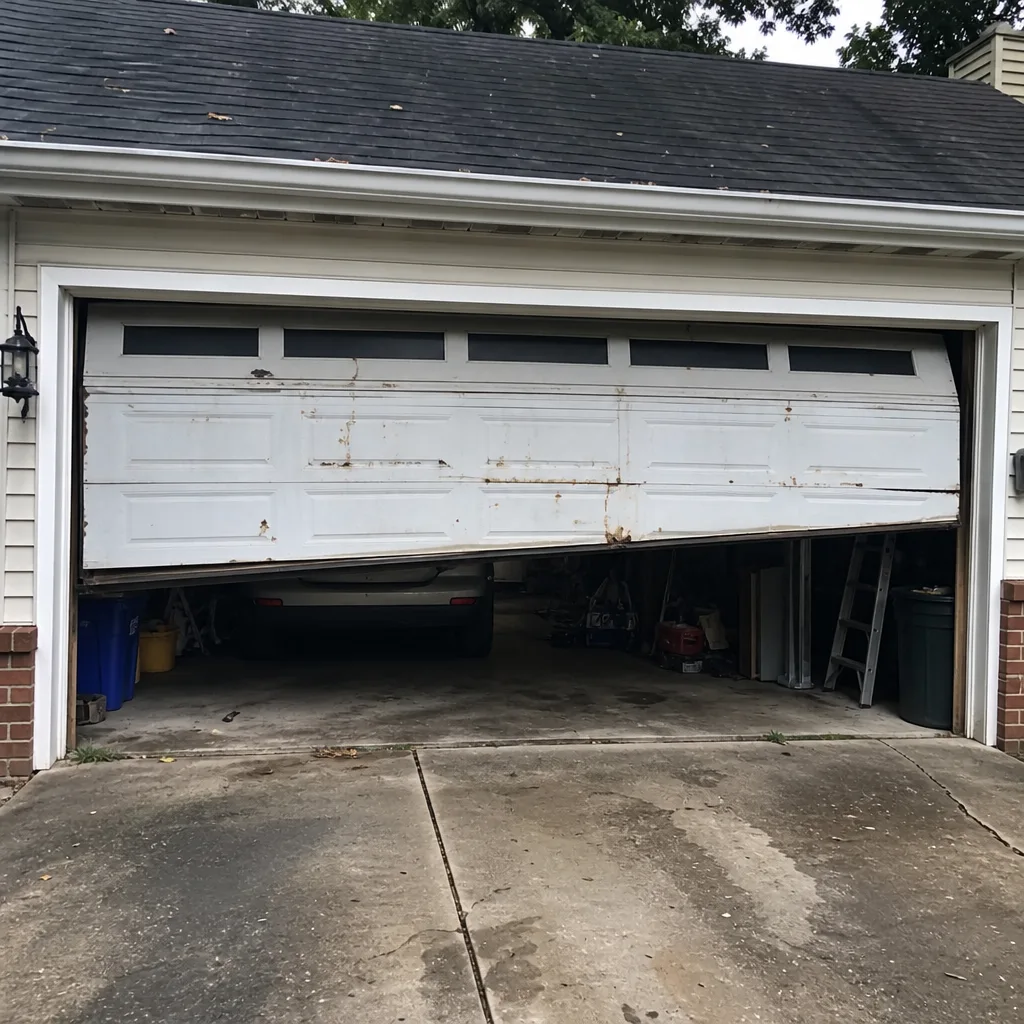 Before
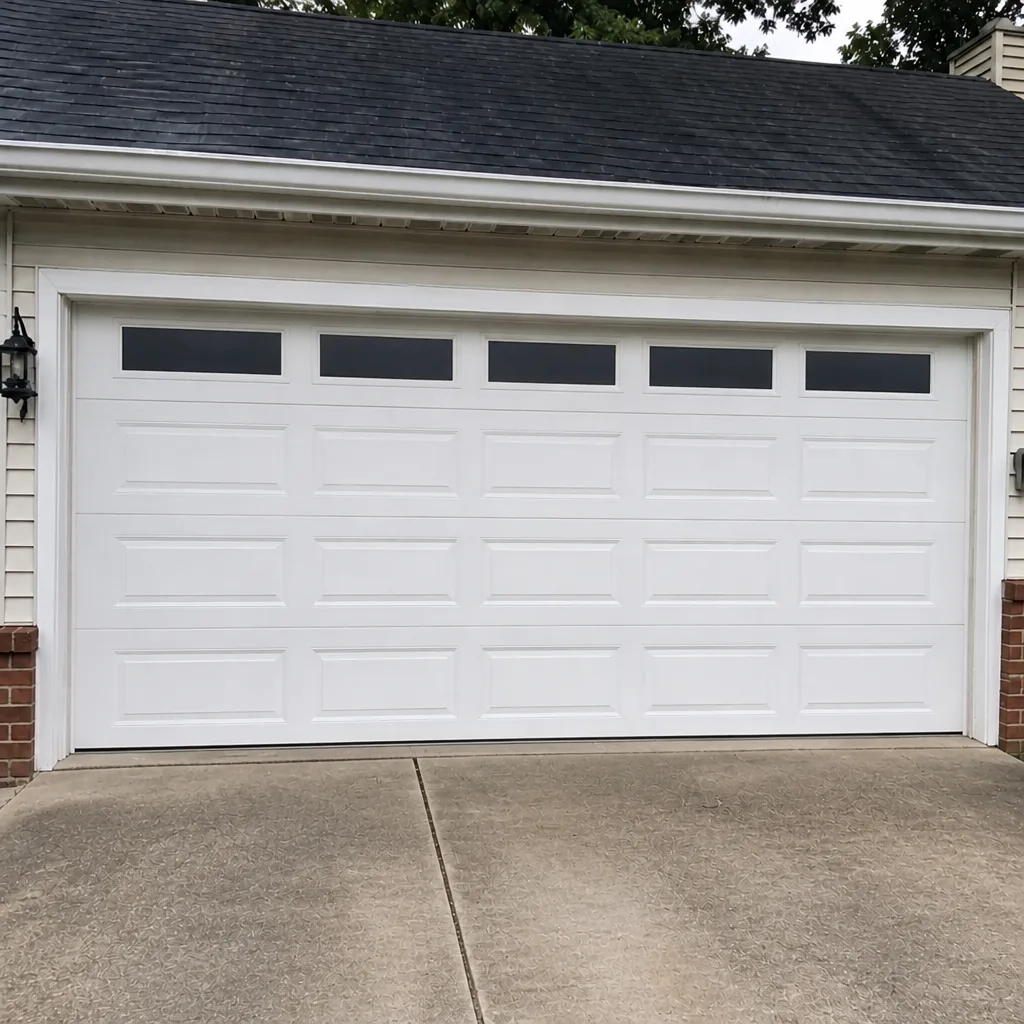 After
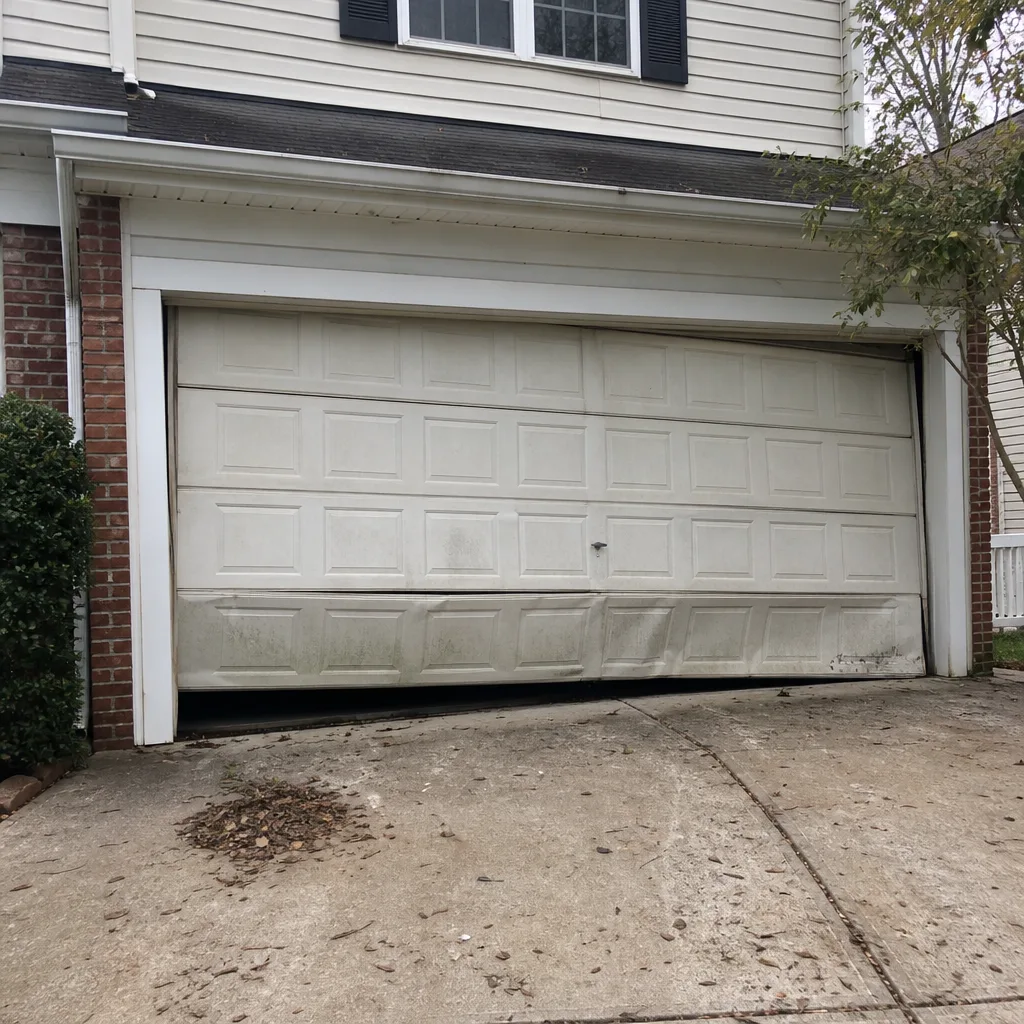 Before
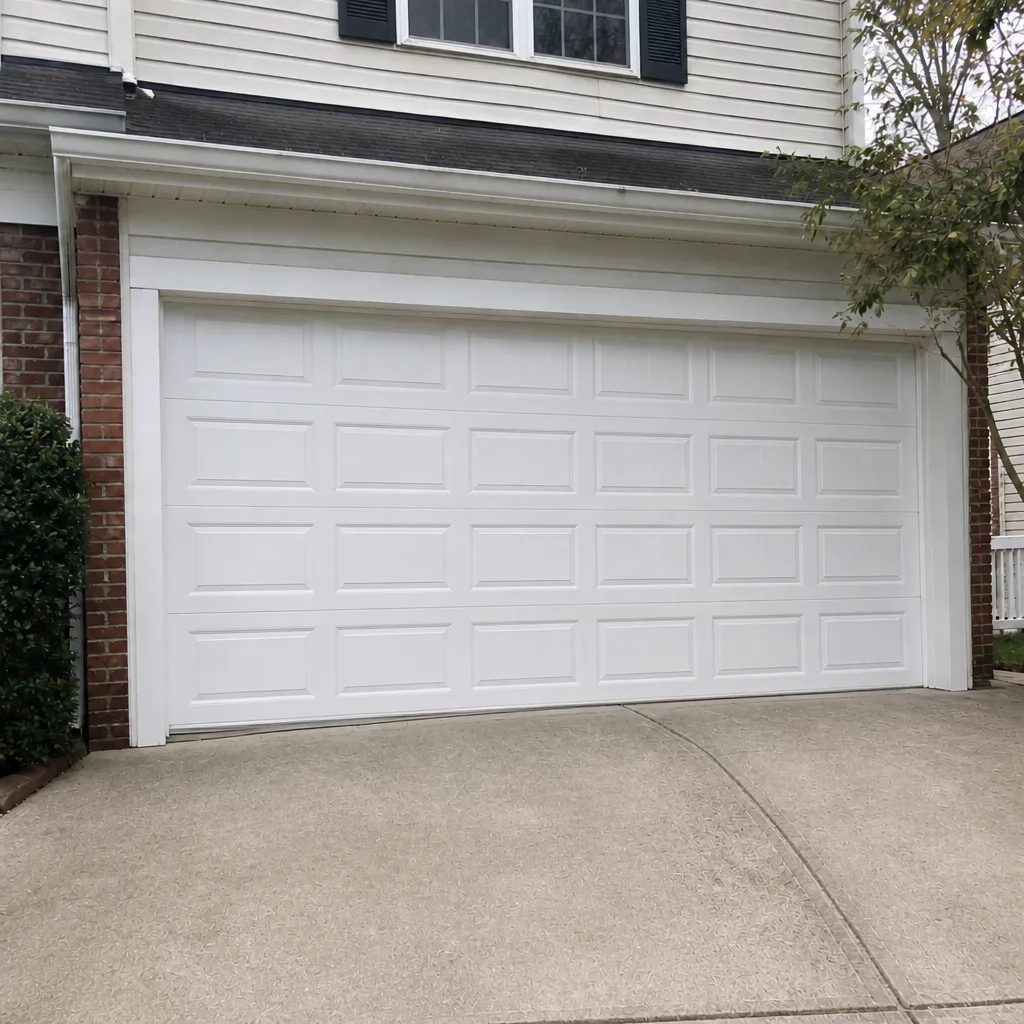 After
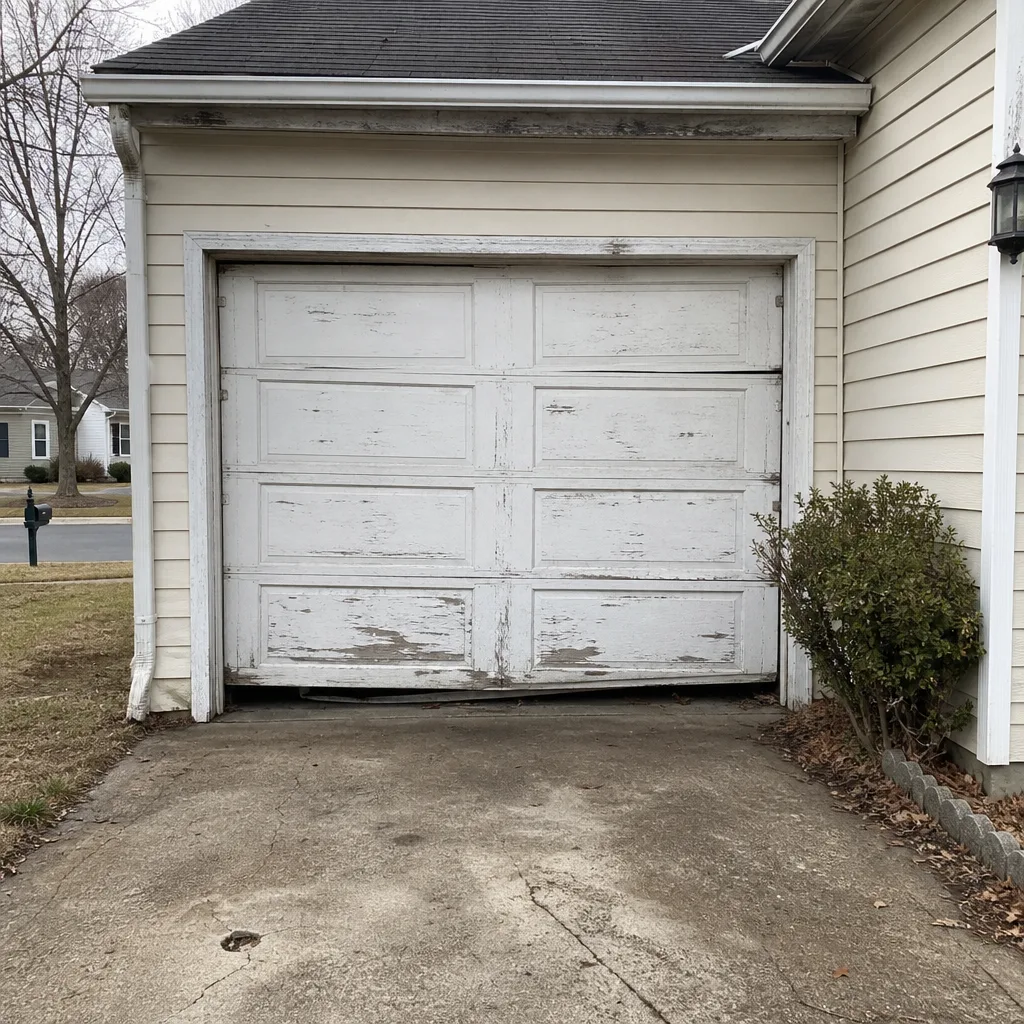 Before
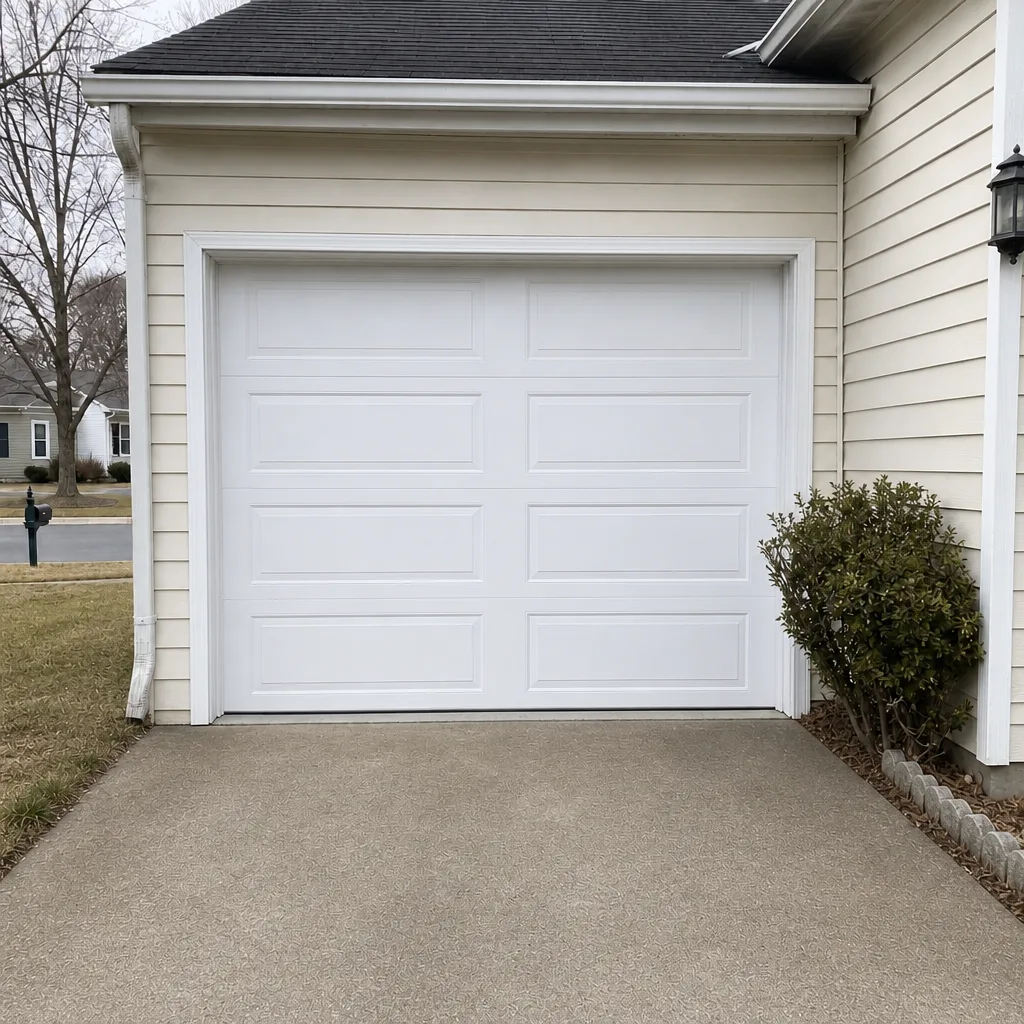 After
When to Call a Professional
Some parts of a garage door project are fair game for a careful homeowner. Reading HOA guidelines, making a call to the county, and keeping your paperwork are all things you can handle. But the framing, the rough opening measurements, the fire-rated door assembly and the tension spring system are not DIY territory. High-tension torsion and extension springs store enough energy to cause serious injury, and a door that’s out of balance or an opening framed wrong will fail an inspection and can be genuinely dangerous in the meantime.
Call a specialist when your project involves reframing, changing the door size, the fire-rated door between the garage and the house, or any opener or spring work. Our technicians have up to 9 years of experience, and we work on the brands Short Pump homes already have installed, from LiftMaster and Chamberlain openers to Raynor and Genie systems. Short Pump Garage Door Repair Pros offers free estimates in Short Pump. Call (833) 468-5635 and we’ll walk your project through the permit question, the door selection and the install in one conversation, so you’re not chasing three contractors for one job.
Frequently Asked Questions
Usually not, if it’s a like-for-like replacement into the same rough opening with no framing changes. A straight swap of a door sized to the existing opening typically doesn’t require a Henrico County building permit. A replacement that alters the rough opening dimensions or involves framing, though, generally does. Confirm with the Henrico County building department before work starts, then call (833) 468-5635 for a free estimate.
A like-for-like swap keeps the same rough opening, the same framing and the same dimensions, so nothing structural moves. A structural change widens or heightens the opening, reframes the header or jambs, or adds a new opening where none existed. The first usually doesn’t need a permit, and the second usually does. If you’re unsure which one your project is, the safe move is to ask the county, then call (833) 468-5635 to talk through the job.
Often yes, if your home sits inside a planned community or homeowner association. Many Short Pump associations have architectural review requirements for door style, color and window design, and those rules apply on top of county code. Read your association’s guidelines before you choose a door, and get written approval before you order. For help selecting a door that fits both your HOA and your home, call (833) 468-5635 for a free estimate.
The inspector checks the framing of the rough opening against the permitted plan, the fire separation between the garage and living space, and the final operation of the door, including safety reversal. They’re not grading the look of the door or the brand of the opener. The most common first-pass failure is a mismatch between the permit and the built framing. Call (833) 468-5635 if you want a door installed to code the first time.
It may not come up until you sell, when a buyer’s inspector flags alterations with no permit record on file with Henrico County. At that point, a buyer may ask you to permit and inspect the work retroactively, which can mean opening up finished walls. Talk to the county about bringing the work into compliance before you list. For help assessing a door system that may have been installed unpermitted, call (833) 468-5635 for a free estimate.
No, because the price is quoted and agreed before any work starts. If the scope changes after we see it, for example if the framing is different from what you described, we’ll tell you in writing before doing anything else. You approve the final number before we touch the door. For a written estimate on your Short Pump garage door project, call (833) 468-5635. Estimates are free.
The Bottom Line
The permit question for a Short Pump garage door comes down to one thing: does the job change the rough opening or the framing? A like-for-like swap usually doesn’t need a building permit and often doesn’t need the county involved at all. A structural change usually does, and the fire-rated door between the garage and the house is its own code matter with its own requirements. Layer the HOA on top if your Short Pump home is in a planned community, and get that approval before the county permit so the door selection stays proven. Keep your inspection records. They’re worth more at resale than most homeowners expect. When in doubt, one call to the county and one call to a specialist settles the scope in a day. Call (833) 468-5635 for a free estimate on your garage door project.
Written by the team at Short Pump Garage Door Repair Pros.