Last updated November 23, 2026
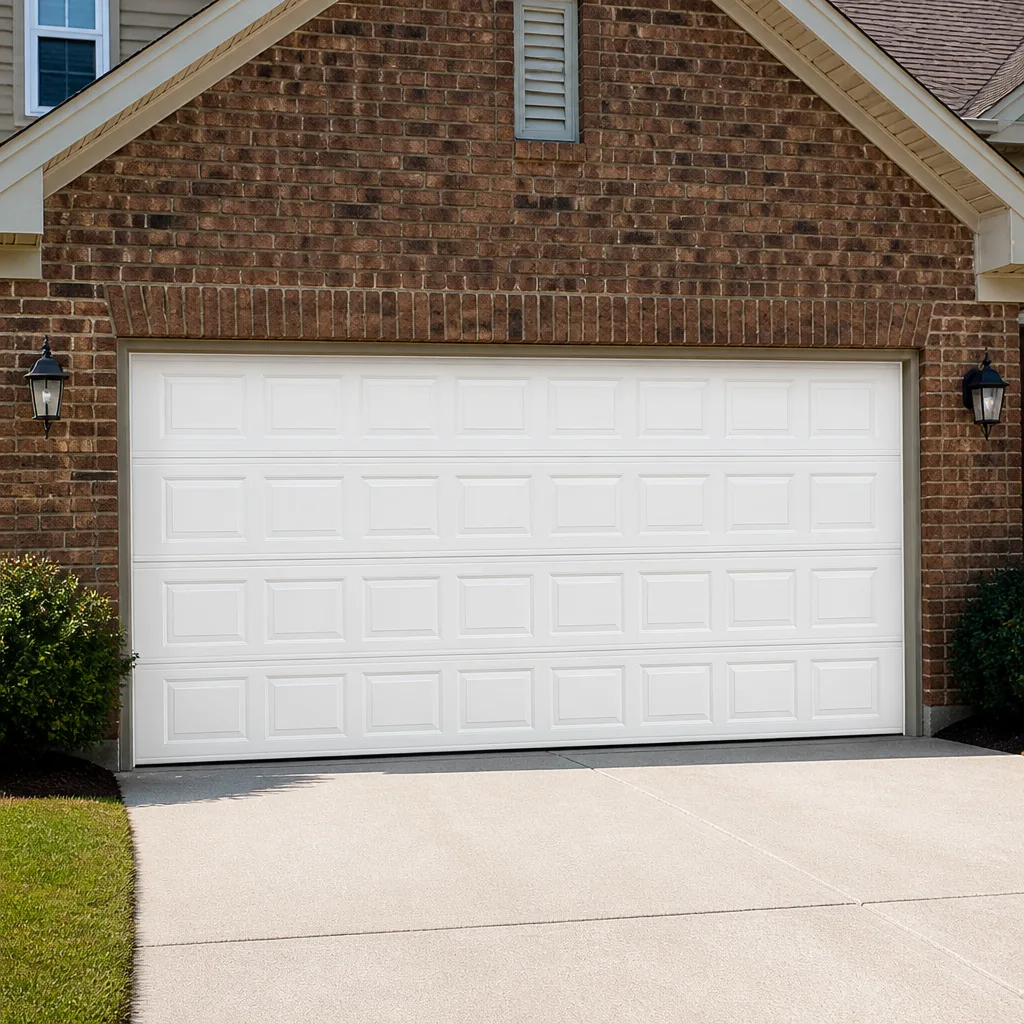 Raised-panel steel
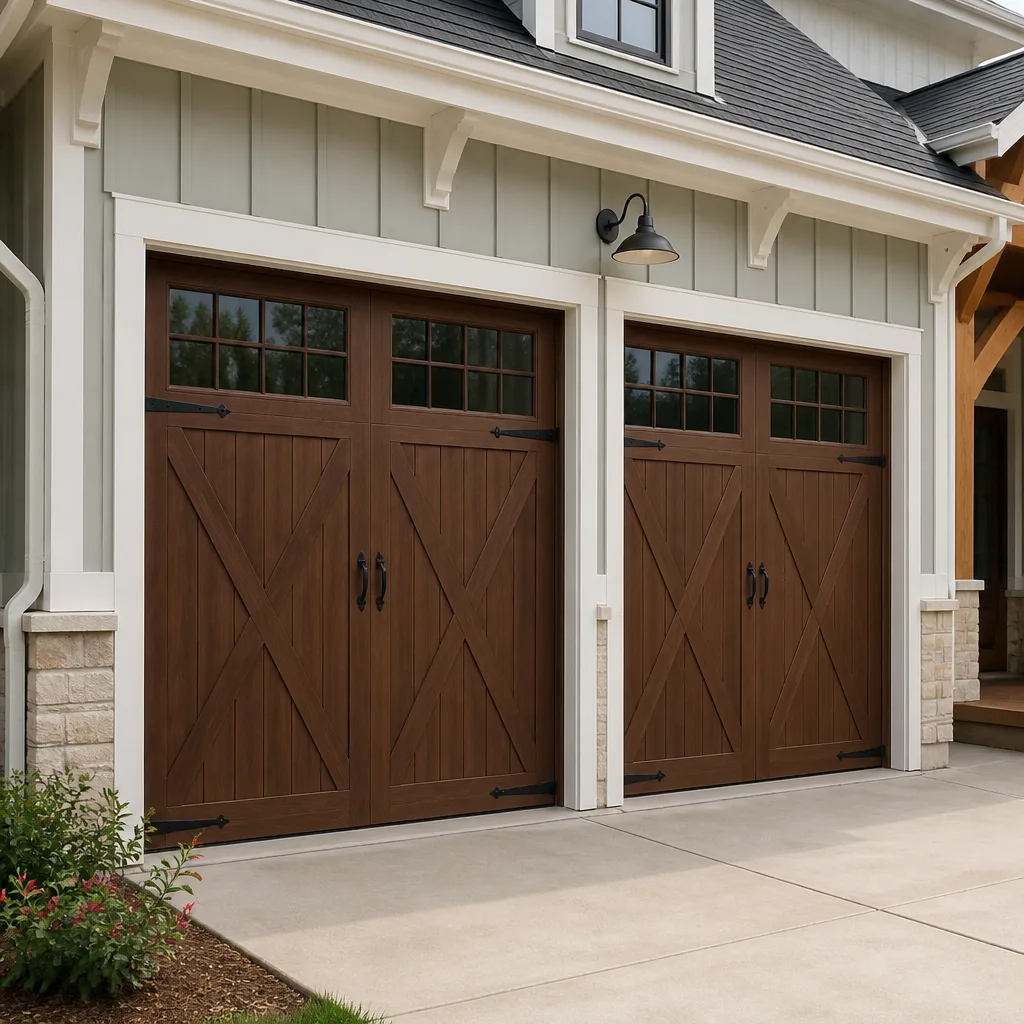 Carriage house
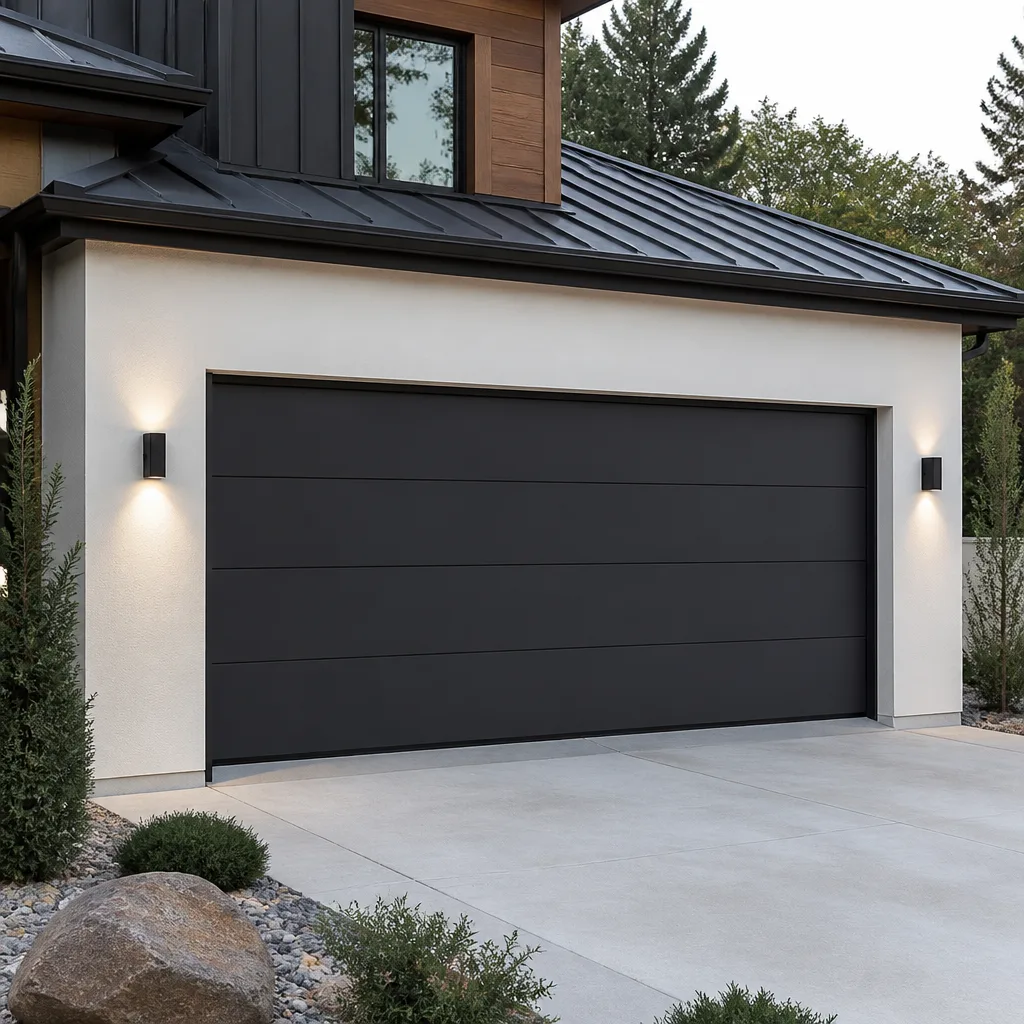 Modern flush
 Full-view glass
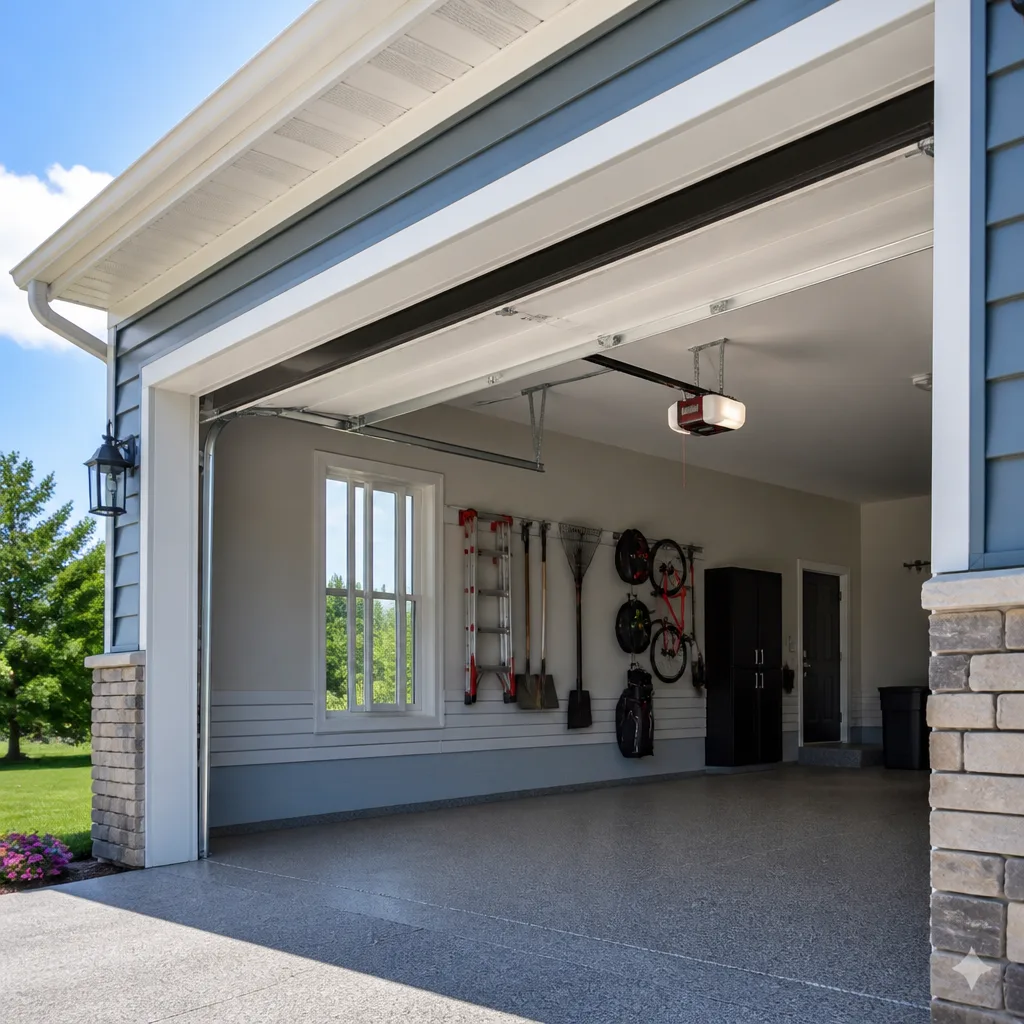 LiftMaster openers
 Chamberlain openers
Full 25-point door and opener safety check with every visit - springs, cables, rollers, tracks, and your LiftMaster or Chamberlain opener included
You get a price before we start. It does not change when the pro arrives.
Get your free estimateGarage Door Warning Signs: A Short Pump Homeowner’s Reference Guide
A garage door that hesitates for half a second before moving isn’t just “getting old” – it’s describing a specific mechanical condition. That hesitation is usually either a spring in partial failure or an opener that’s straining to lift a door that’s no longer balanced, and both have a predictable next failure if ignored. The gap between a routine service call and an emergency replacement often comes down to noticing the symptom while it’s still cheap to fix. This guide walks you through what your door is actually telling you, how to read the signs safely, and which problems in a Short Pump home can wait for a scheduled appointment versus which ones need a call today. We’ll cover the symptom-to-cause map, the balance test, what rust and cable kinks mean, and how to tell an opener problem from a door problem.
Quick Answer
Garage door warning signs fall into three categories: sound (grinding, popping, rattling), movement (jerking, reversing, sluggishness), and visual (rust stripes on springs, kinked cables, bent panels). Most serious failures – spring breakage, cable snaps, opener burnout – announce themselves weeks before they happen. A door that moves smoothly, runs quietly, and holds its position when lifted halfway needs nothing more than routine observation. A door that lurches, creaks, or drifts is telling you a repair is already in progress. In Short Pump, where summer humidity and winter temperature swings work on steel springs and wood panels all year, those signs show up earlier than most homeowners expect.
Styles & brands we work with
- Raised-panel steel
- Carriage house
- Modern flush
- Full-view glass
- LiftMaster openers
- Chamberlain openers
Table of Contents
- The Symptom-to-Cause Matrix
- How to Tell an Opener Problem from a Door Problem
- Visual Signs on Springs and Cables You Can Safely Check
- The 10-Second Door Balance Test
- Triage: When to Call Today vs. When to Schedule
- How Short Pump’s Climate Affects Your Door
- Do Certain Brands Fail Differently?
- Common Mistakes to Avoid
The Symptom-to-Cause Matrix
Every garage door failure has a fingerprint. Once you learn to match a symptom to its most likely cause, you can make a much better decision about urgency. The matrix below covers the warning signs we hear about most often from homeowners in Short Pump, mapped to the repair each one typically predicts.
- Loud bang from the garage, door won’t lift: a torsion spring has snapped. This is the classic spring failure – it happens fast and sounds like a gunshot. The door is now dead weight and dangerous to force. Same-day service is warranted.
- Door moves a few inches then reverses: either the safety sensors are misaligned or the opener is detecting too much resistance because the door is out of balance. Start with the sensors (a quick visual check), but if they’re clean and aligned, it’s a mechanical balance issue.
- Grinding or scraping as the door travels: worn rollers, dry hinges, or a track that’s out of alignment. This is usually a scheduled repair – not urgent, but not something to ignore for months either.
- Door sags on one side: a stretched or broken extension spring on that side, or a cable that’s slipped off its drum. This is a same-day call because an unbalanced door puts stress on the opener and can drop.
- Opener runs but door doesn’t move: a broken drive gear, a snapped belt or chain, or a broken torsion spring holding the door down. We diagnose which one before quoting anything.
- Door only opens partway: a travel limit setting that’s drifted, or a mechanical obstruction in the track. Sometimes a five-minute adjustment, sometimes a symptom of a larger issue.
- Intermittent stopping or random reversals: failing logic board, loose wiring connection, or a sensor lens clouded with dust and pollen – all common in Short Pump’s spring pollen season.
- Loud rattle when the door hits the floor: the bottom seal is worn or the door is closing too hard. Minor, but worth fixing before the weatherstripping fails completely.
Each of these signs has a predictable next stage. A grinding roller becomes a seized roller that chews through the track. A sagging door becomes a snapped cable. The point of the matrix isn’t to diagnose it yourself – it’s to know how fast you need to act. For a thorough breakdown of what each repair involves, our garage door repair page covers the full range of fixes we handle.
How to Tell an Opener Problem from a Door Problem
This is the single most useful distinction a homeowner can learn, because the repair path is completely different. An opener problem is electrical or firmware. A door problem is mechanical. Both can produce similar symptoms – the door won’t open, the door reverses, the door is loud – but the fix is on entirely different hardware.
Here’s a simple way to think about it: the opener is a motor that lifts a weight. If the weight is heavier than the motor expects, the opener struggles and may look like it’s failing when it’s actually fine. A door that’s out of balance, has a failing spring, or is binding in the track will make a perfectly good opener seem broken.
Signs that point to the opener
- The opener’s light flickers or the unit clicks but nothing moves.
- The remote works intermittently, or only from close range.
- The wall button works but the remotes don’t (or vice versa).
- The door reverses immediately with no visible obstruction and clean sensors.
- The opener beeps or flashes a diagnostic code pattern.
- The door opens fine by hand but not with the motor.
Signs that point to the door
- The door is noticeably harder to lift by hand than it should be.
- Visible spring damage, cable kinks, or a door that hangs crooked.
- Grinding, popping, or scraping noises during travel.
- The door drifts down when you let go halfway up.
- Rollers visibly worn flat or off their track.
That “opens fine by hand but not with the motor” sign deserves special attention. If you can lift the door manually with reasonable effort and it stays put, the door is balanced and the opener is likely the problem. If the door is heavy, sluggish, or won’t stay up, the door is the problem. We see this misdiagnosed constantly in Short Pump – homeowners replace an opener when the real issue was a spring on its way out. Our garage door opener repair team can tell the difference in a few minutes on the phone if you describe what you’re seeing.
Visual Signs on Springs and Cables You Can Safely Check
Let’s be clear about something important before we describe what to look for: garage door springs are under extreme tension at all times, even when the door is closed, and they can cause serious injury. Torsion springs in particular hold enough stored energy to break bones if handled without the right tools and training. A garage door is the heaviest moving object in most homes, and its springs are the most dangerous part. Look, don’t touch. Everything in this section is about observation from ground level, not inspection of the hardware.
Spring warning signs you can see from the floor
- Rust stripes along the coils: a thin brown or orange line running the length of a torsion spring looks cosmetic but usually indicates the spring has lost tension and is fatiguing. Rust striping is one of the earliest visible signs of an impending break.
- Visible gap in a torsion spring: if the spring looks like two separate coils with a gap between them, it’s already broken or on the verge. Stop using the door.
- Extension springs that look stretched or uneven: compare one side to the other. Springs should look symmetrical and intact. A stretched spring, or one where the safety cable looks loose or has dropped, is a scheduled repair.
- Paint flaking on torsion springs: the protective coating on a spring doesn’t flake off evenly unless the metal underneath is stretching or oxidizing.
Cable warning signs from ground level
- Kinked or frayed cables: cables run along the side of the door and up to the drums. A cable with a visible kink, a birdcage of frayed wire, or one that’s jumped off the drum is a same-day call. Do not operate the door – a snapped cable can whip with force and the door can fall.
- Sagging cables with slack: cable tension should feel uniform. Visible sag or droop on one side means the cable is failing or has already partially come off the drum.
- Cables resting against sharp metal edges: this is a routing issue that accelerates wear, and it’s worth flagging to your technician.
If you spot any of these, call rather than operate the door. Our garage door spring repair service handles both torsion and extension systems, and a technician can confirm within minutes of arriving whether the spring needs replacement or just adjustment. A matched pair of springs is usually replaced together because they’ve done identical work over identical time, so a pair typically costs about twice what a single spring runs.
The 10-Second Door Balance Test
This is the most useful diagnostic a homeowner can run at home, and it takes less than half a minute with no tools. It tells you whether the door’s mechanical lifting system – springs and cables – is in balance. An unbalanced door is the root cause of most opener failures, so this test is worth running once a month.
- Disconnect the opener. Pull the manual release cord (usually a red handle hanging from the opener rail) to disengage the door from the motor. The door should now move freely by hand.
- Lift the door to the halfway point and stop. Move it slowly – no need to force anything.
- Let go and watch. The door should stay exactly where you placed it.
- Reconnect the opener by pushing the release cord back toward the door, or by running the opener and letting it reconnect automatically.
How to interpret the result
- Door holds in place: balanced. Springs are doing their job. Run this test again next month.
- Door drifts slowly downward: the springs have lost tension or are in partial failure. The opener is now lifting more weight than it was designed for. This is a scheduled repair – book it within a week or two, before the opener itself gives out.
- Door drifts upward or slams down quickly: the springs are over-tensioned or one side is working harder than the other. This is more urgent – an unbalanced door can drop without warning.
- Door is very hard to lift: a spring has likely already broken, or the door is binding in the track. Stop and call for service.
- Door won’t stay up at all: spring failure. Do not continue to operate the opener – it’s pulling against a door it can’t safely lift.
Run the test carefully and don’t force anything. If the door feels unusually heavy, stop. An unbalanced door that’s been opening “fine” for months can become a sudden drop, and that’s when the repair cost goes up.
Triage: When to Call Today vs. When to Schedule
The triage question every homeowner asks is simple: is this a “call now” problem or a “call next week” problem? Here’s the framework we use when a Short Pump homeowner calls us with a symptom.
Call today – same-day service is warranted
- A loud bang followed by a door that won’t open (broken spring).
- A door that will not close all the way, leaving the home unsecured (this is the classic emergency scenario – a door stuck open overnight is a security and weather-safety issue).
- A vehicle trapped inside the garage and someone needs to leave for work or an appointment.
- Visible spring damage, a gap in a torsion spring, or a cable that has jumped off its drum.
- A door that has closed crooked, hung up on one side, or dropped suddenly.
- Any symptom accompanied by a burning smell from the opener (unplug it and call).
- The door has moved on its own more than once – a serious safety sign.
Schedule within a few days to two weeks
- Grinding or squeaking that’s gotten louder over time but the door still operates.
- A remote or keypad that works only intermittently.
- An opener light that flickers or a wall button that needs a firmer press.
- A door that reverses on the first try but works on the second.
- Worn weatherstripping, a squeaky hinge, or a bottom seal that’s starting to tear.
- A door that’s louder than it used to be but moves smoothly.
- The balance test shows a slow drift – worth scheduling in the next week or two before it becomes an emergency.
Emergency service is a core part of what we do, not a premium tier we offer as an add-on. If your door is stuck open at 10 p.m., call the number at the bottom of this page and we’ll book you for the next available slot, including early mornings or Sundays if needed. If you’re not sure which side of the triage line you’re on, call and describe the symptom – we can usually tell you in a minute.
How Short Pump’s Climate Affects Your Door
A garage door in Short Pump lives a harder life than one in a coastal or desert climate. The mid-Atlantic pattern of humid summers followed by freezing winters creates a cycle that works on metal and wood constantly. Understanding the seasonal pattern helps you anticipate what’s coming.
Summer humidity and heat. The six or seven weeks of high humidity in July and August are hard on steel torsion springs, because any moisture that reaches the metal accelerates fatigue and rust striping. Wood panels on older doors expand, and the hardware – hinges, rollers, bearings – runs slightly hotter and noisier. If your door gets louder in the summer, that’s usually the source.
Winter freeze-thaw. Short Pump gets enough freeze-thaw cycles in a typical winter that garage floor tracks, greased hinges, and metal springs all contract and expand repeatedly. A spring that was marginal in the fall can fail on the first cold snap. A track that was fine in October can shift a quarter inch in January and cause the door to bind. This is partly why spring failures spike in cold weather.
Spring pollen. The safety sensors at the base of your door are sensitive to dust and pollen. If the door reverses for no obvious reason in April or May, check the sensor lenses before anything else – a quick wipe solves most of those calls.
Fall leaves and debris. The bottom seal and track guide can pick up leaves and grit that wear the rollers. A quick sweep of the track with a broom every few weeks prevents a lot of annoying noise.
The practical takeaway: in Short Pump, inspect your springs and run the balance test before the first cold snap and again in early summer. Those two checkpoints catch most of the seasonal failures.
Do Certain Brands Fail Differently?
We work on products from eight of the most widely installed brands in North America, and after thousands of diagnostics we can confirm that different doors and openers fail in characteristically different ways. Knowing your brand can help you anticipate what to watch for.
- Genie openers: the drive system on some models wears in a way that shows up as a slow, intermittent failure to close rather than a hard stop. If your Genie has been “almost closing” for a while, it’s often a sensor alignment or a gear issue.
- Clopay doors: their steel and composite panels are solid, but rollers and hinges on older Clopay installations are the pieces most likely to fail first. The door itself usually outlasts the hardware.
- Amarr doors: often installed with a heavier insulated panel, which means spring systems and openers need to be sized accordingly. When an Amarr door comes out of balance, the opener feels the strain more than the door does.
- Wayne Dalton doors and openers: their opener systems occasionally develop logic board or remote-receiver problems rather than mechanical issues, so electrical diagnosis comes before mechanical diagnosis on those units.
We also routinely work on LiftMaster, Chamberlain, Craftsman, and Raynor equipment, and the pattern holds: same symptom, predictable part or system responsible. That’s why we can tell you on the phone which subsystem is likely involved before a technician arrives. A technician trained on the actual brand doesn’t have to guess. To see the full service picture, start at Short Pump Garage Door Repair Pros.
Common Mistakes to Avoid
- Forcing a door with a broken spring. Pulling the manual release and lifting a door with a broken spring can drop it on you, and it can snap the cables as well. Stop using the door and call. Our spring technician can handle it safely – this is exactly the repair that needs a specialist, because torsion and extension systems are stored energy with no room for error.
- Oiling the wrong parts. Lubricating the springs themselves or the opener rail is wasted effort and can attract grit. Lubricate hinges, rollers, and the torsion bar bearings only, and use the product recommended for garage door hardware – not a multi-purpose oil from the shed.
- Replacing the opener when the door is the problem. This is the most common misdiagnosis we see in Short Pump. If the door is hard to lift by hand, the door is the issue, and a new opener will fail too. One call covers the door and the opener – we diagnose which system is responsible before quoting anything.
- Ignoring rust stripes on torsion springs. A rust stripe is not cosmetic. It’s a spring that’s fatigued and is going to fail, usually at the worst possible moment. Getting ahead of it means scheduling a spring replacement during a normal week rather than on a Sunday night.
- Waiting out an intermittent opener. A remote that works “most of the time” is a remote that’s about to stop working. Intermittent failures rarely fix themselves, and they get more frequent until they become permanent.
- Skipping the balance test. A door that drifts slowly doesn’t announce itself. If you’ve never run the balance test on your door, do it this month. It’s the single cheapest piece of preventive diagnostics you can perform.
- Using a generalist for a specialist problem. Spring repair, opener diagnostics, and full door installation involve different tools, training, and parts. A handyman repair on a torsion spring is a safety risk – the spring isn’t the place to save a called-out fee.
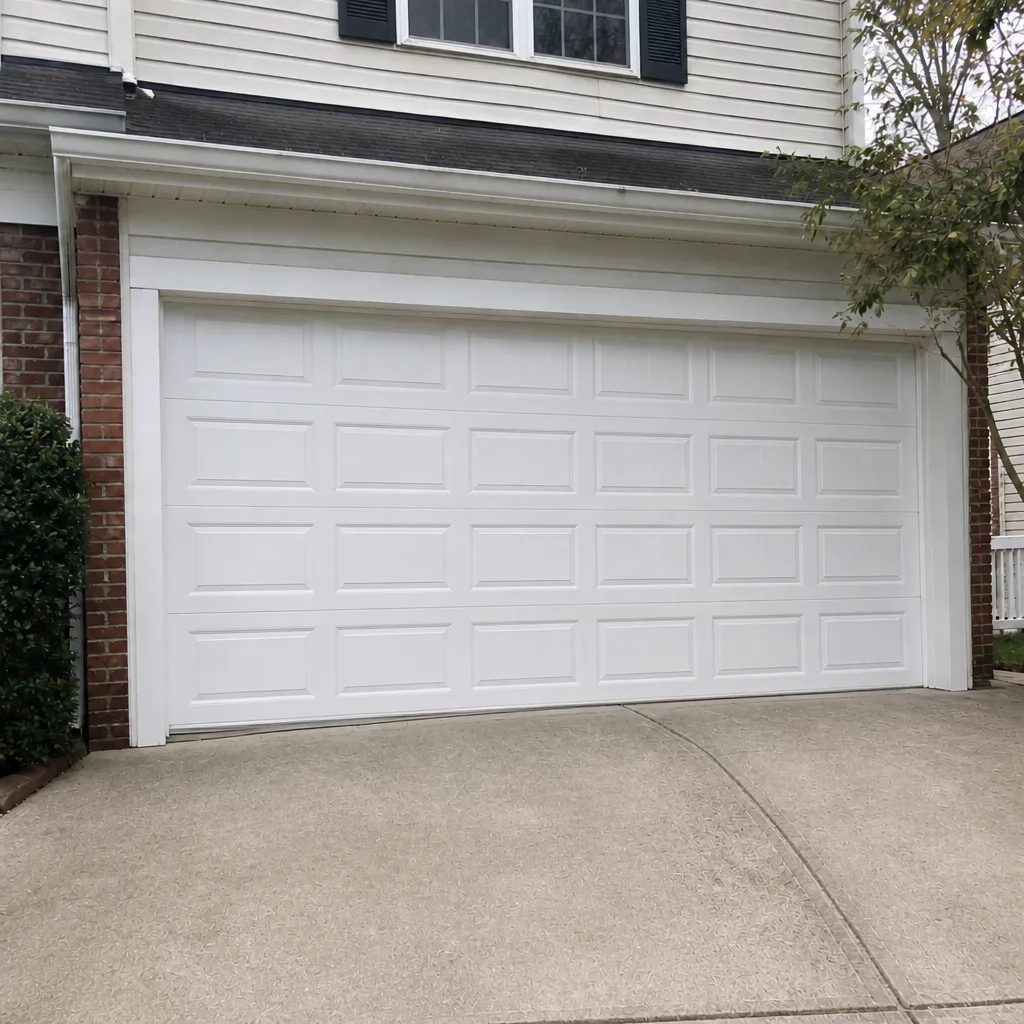
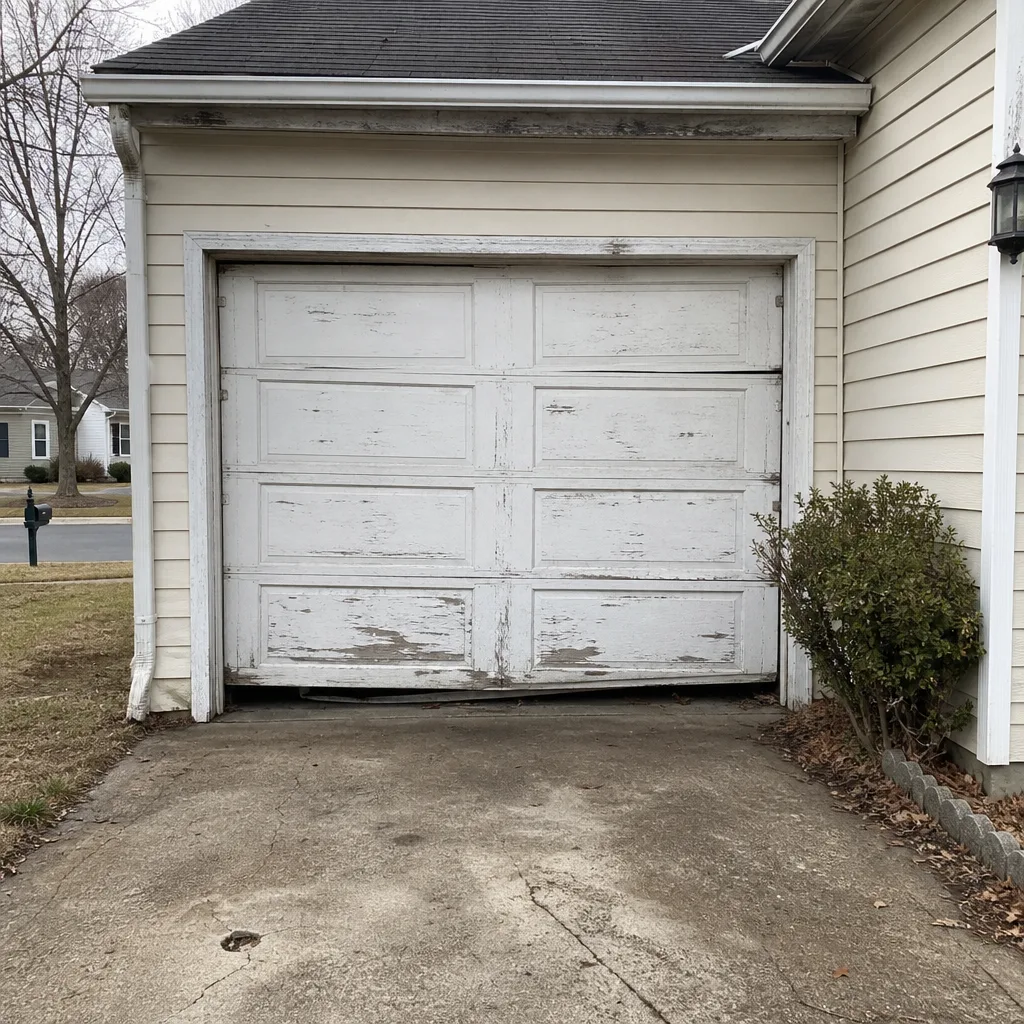
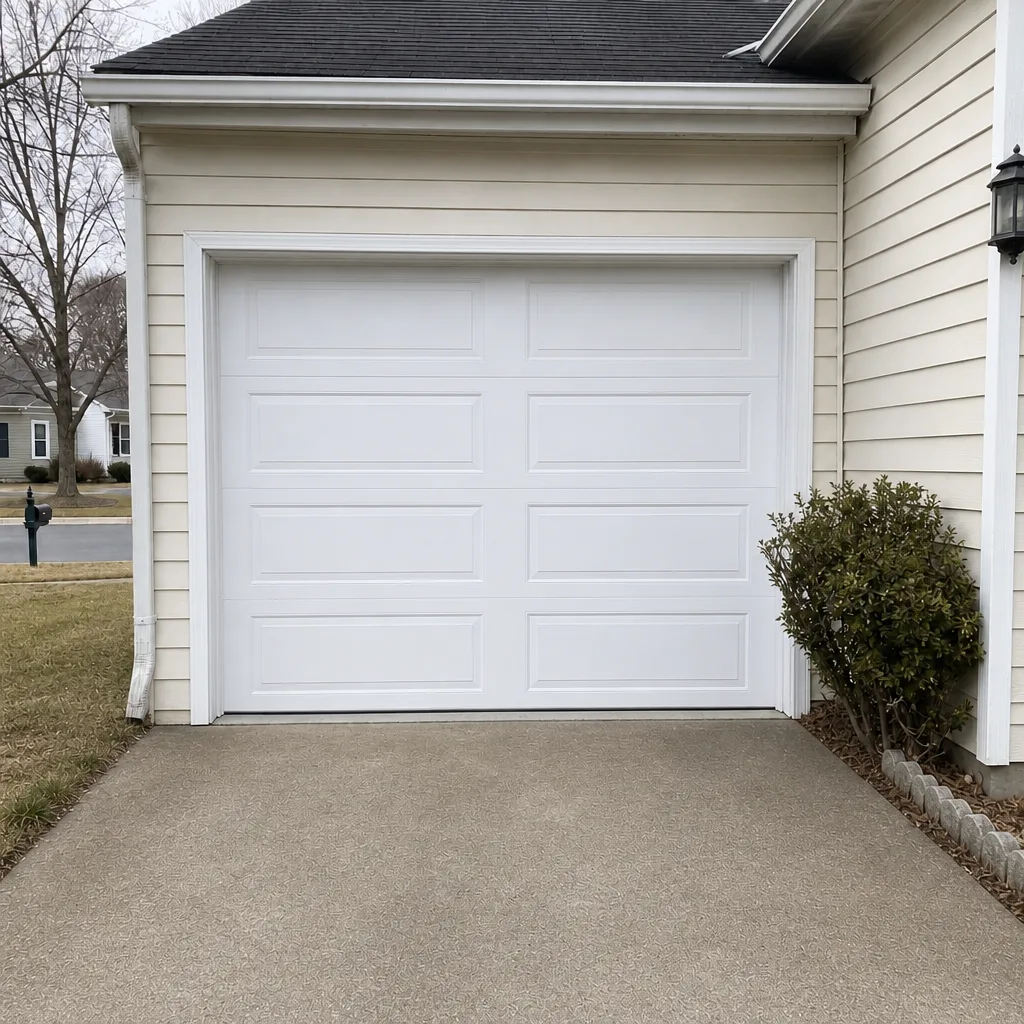
See the difference
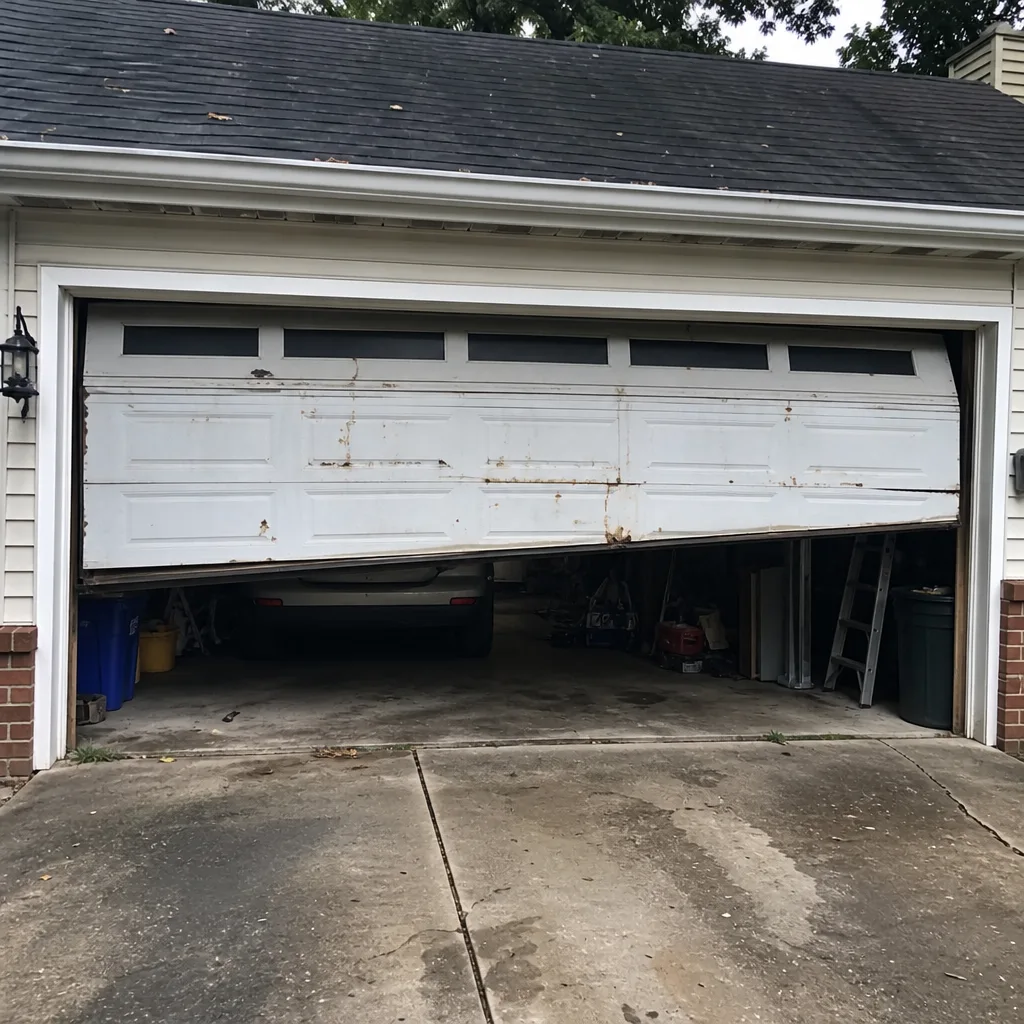 Before
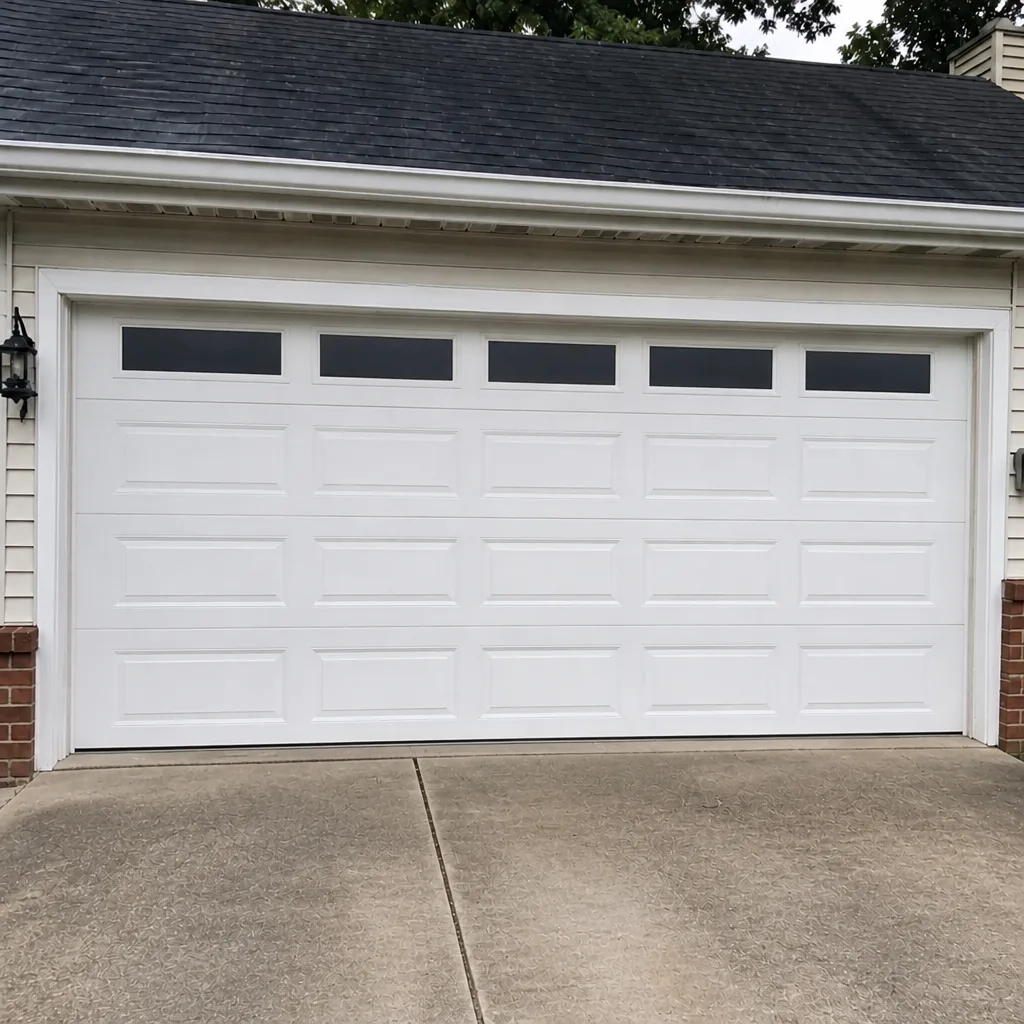 After
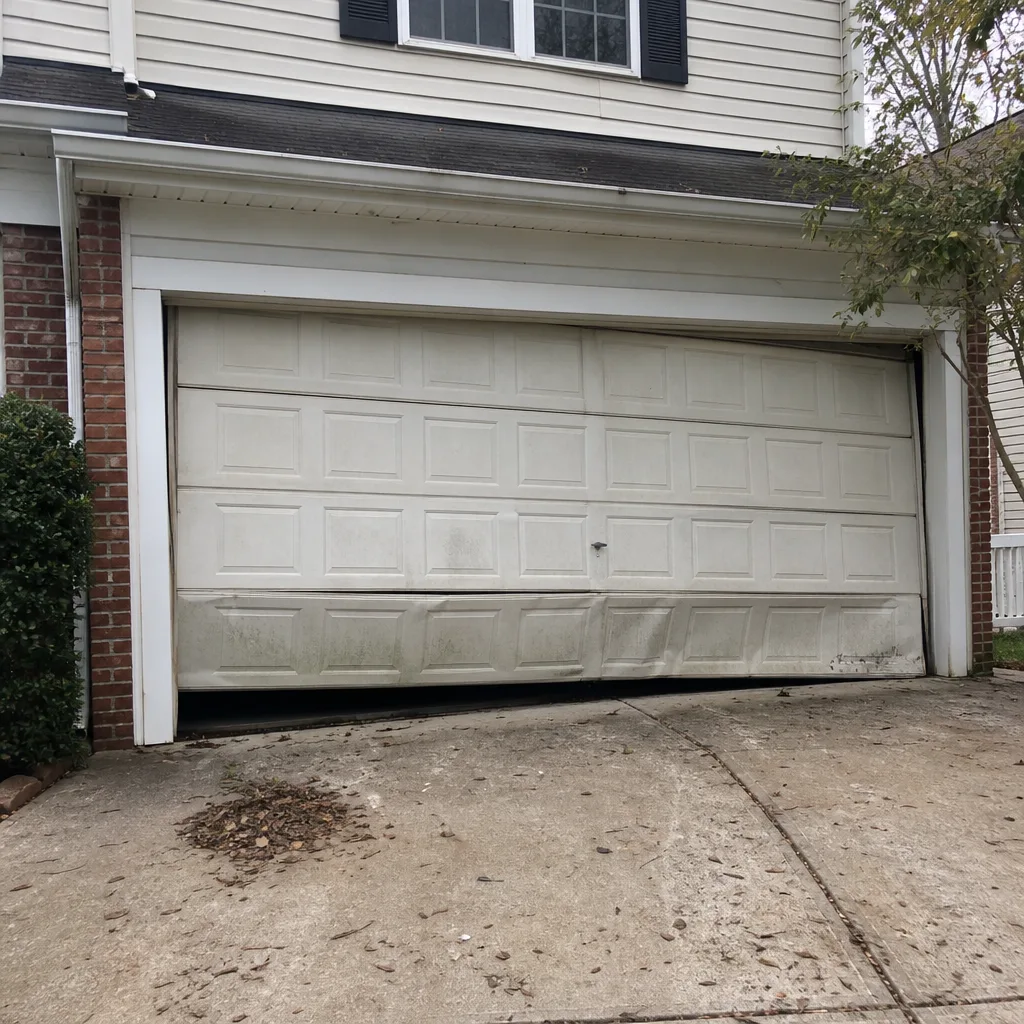 Before
 After
 Before
 After
When to Call a Professional
Call a professional if any of the following apply: you’ve seen a visible gap in a torsion spring, a kinked or frayed cable, a door that hangs crooked, a door that’s started moving on its own, an opener that runs without moving the door, or a balance test that shows a slow drift. Also call if the door is stuck open and the home is unsecured, or if a vehicle is trapped inside. Those are the situations where a generalist’s advice isn’t enough and a trained specialist is the right call. Short Pump Garage Door Repair Pros offers free estimates in Short Pump – call (833) 468-5635 and describe the symptom. Our technicians have up to 9 years of experience, and they diagnose before they quote. Emergency garage door service isn’t an upsell for us; it’s a standing part of what we do, so a stuck door doesn’t have to wait until tomorrow.
Frequently Asked Questions
The most commonly missed warning sign is a door that hesitates for half a second before moving. It’s easy to write off as the door “warming up,” but that slight delay is usually a spring in partial failure or an opener straining against an unbalanced door. If you’ve noticed a hesitation, run the balance test. If the door holds halfway up, the springs are still doing their job and the hesitation is likely electrical; if it drifts, you’re looking at a spring replacement. Call (833) 468-5635 and we’ll help you sort out which it is – estimates are free.
Most single-car and standard two-car residential spring replacements in Short Pump typically run in the range of a normal service call, and a matched pair of springs runs about twice a single spring because they’re almost always replaced together. The written estimate sets the final price, and the price is quoted and agreed before any work starts. If your spring has snapped or you’re seeing rust stripes, call (833) 468-5635 for an exact quote – estimates are free.
If you can lift the door by hand and it stays put at the halfway point, the door is balanced and the opener is the likely culprit. If the door is heavy or drifts when you let go, the door is the problem and the opener is just compensating. That distinction changes which technician and which parts arrive at your door, so it’s worth getting right. Call us and describe what you’re seeing – we can usually tell you which system to suspect before a technician arrives.
No. A door with a broken spring is dead weight, and lifting it by hand can cause it to drop or snap a cable. Do not operate the opener either – it will pull against a door it can’t lift. Call for same-day service and leave the door in place. Our spring specialists handle torsion and extension systems as a dedicated part of our work, and the repair is done safely with the right tools. Call (833) 468-5635.
No. Noise alone is usually the least urgent warning sign – grinding, squeaking, and rattling most often point to worn rollers, dry hinges, or a slightly out-of-alignment track, all of which are scheduled repairs rather than emergencies. That said, a new or worsening rattle should still get checked within a few weeks, because worn rollers become seized rollers and a seized roller can chew up the track. If the noise is accompanied by the door moving unevenly, call sooner.
Smart-connected openers fail in the same mechanical ways as older models, but they add a second failure category: connectivity. If your app shows the door as open when it’s closed, or the opener drops off the network while still working from the wall button, the problem is likely the receiver or the logic board rather than the door itself. We cover both legacy and modern smart-connected platforms across the major brands, so you don’t need to call two contractors. For those calls, we diagnose electrical first and mechanical second. Call (833) 468-5635 for a free estimate.
The Bottom Line
Your garage door is a diagnostic instrument if you know how to read it. A hesitation, a new noise, a rust stripe, or a drift in the balance test all point to specific mechanical conditions with predictable next steps. The homeowner who reads the signs early pays for a scheduled repair. The homeowner who misses them pays for an emergency response. In Short Pump, the seasonal pattern – humid summers, freeze-thaw winters, and spring pollen – makes it worth running the balance test and a visual check on your springs at the start of each of the two main seasons. If you notice anything on the “call today” list, don’t wait. A specialist can tell you within minutes what’s happening and what it will cost before any work begins.
If you’ve spotted a warning sign or you’d rather have a trained eye look at your door, call us for a free estimate. We work on the brands you already have, we cover the door and the opener in one call, and we’ll quote and agree the price with you before anything is touched.
Call (833) 468-5635 for a free estimate.
Written by the team at Short Pump Garage Door Repair Pros.